
Let’s Stop Pretending One Diet Fits All
We’ve been sold a lie for decades: that there’s a “perfect” way to eat. Maybe it was low-fat in the 90s, or keto, or veganism yesterday. But if you’ve ever tried one of these “gold standard” diets and felt like absolute garbage, you aren’t doing it wrong. Your biology is just… unique. The era of generic dieting is dead. Welcome to Personalized Nutrition.
What Even Is Personalized Nutrition?
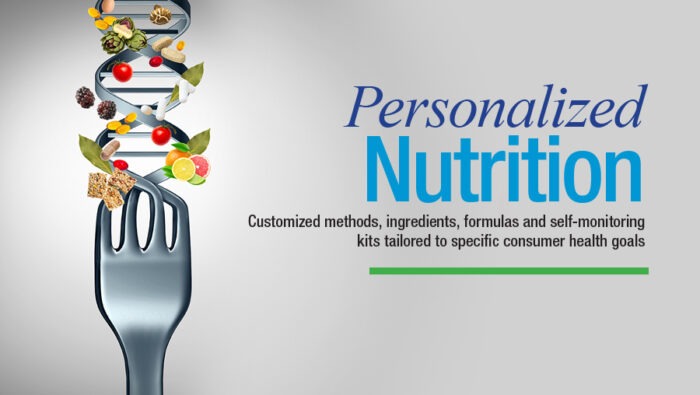
It’s not just about counting macros or calorie-tracking apps. It’s the shift toward understanding how your specific body reacts to food. Your metabolism, your gut microbiome, and your genetic makeup are like a fingerprint. What fuels your neighbor might actually cause inflammation in you.
The Biology of the Individual
- The Gut-Brain Axis: We’ve talked about this a lot, but it’s worth repeating. Your microbiome is unique to you. The fiber in blackberries or apples might be perfect for your gut, but if your microbiome is missing specific bacteria, you might need a different approach.
- Blood Sugar Variability: Two people can eat the exact same guava or grapes and have completely different blood sugar responses. Personalized nutrition is about finding your “baseline” and sticking to foods that keep you stable, not someone else.
How to Start “Bio-Hacking” Your Own Plate

You don’t need a lab coat to start personalizing your nutrition. You just need to pay attention.
- The “Elimination & Reintroduction” Method: This is the cheapest way to personalize. Cut out the “usual suspects” (processed sugars, heavy dairy, seed oils) for two weeks. Then, add them back in one by one. Watch how your energy, skin, and stress and anxiety levels change. Your body will give you the answer.
- Focus on Nutrient Density: Regardless of your “type,” your cells need the same basics. Get your avocado nutrition for brain fats, keep the berries for cellular cleanup, and make sure your protein intake matches your movement habits (like your calisthenics or yoga).
- Monitor, Don’t Just Track: Tracking calories is boring and often inaccurate. Instead, track how you feel one hour after eating. Are you crashing? Are you foggy? Or are you focused? If you’re crashing, that food isn’t “personalized” for you. It’s an enemy.
The Myths That Keep You Stagnant
- “I just need more willpower.” No. You need better data. If your diet makes you hungry and irritable, that’s not a lack of willpower; that’s a biological mismatch.
- “DNA testing is the only way.” It’s a tool, sure. But your current environment and gut health matter way more than your DNA. Start with how you feel today, not what a lab report says about your ancestors.
Frequently Asked Questions (FAQ)
Q: Can I really “figure out” my own nutrition without a doctor? For the most part, yes. By tracking energy, digestion, and mood, you’ll learn more about your body than any generic app can tell you.
Q: Is it expensive to eat “personalized”? The opposite. When you stop buying processed “diet” foods and start buying real, whole foods, your grocery bill usually drops.
Q: How long does it take to see changes? Usually, you’ll feel a shift in your energy within 7 to 10 days of removing inflammatory junk and focusing on nutrient-dense real food.
Q: What if I have a medical condition? That’s where you stop “experimenting” and talk to a professional. Don’t use bio-hacking as a substitute for actual medical care.
Q: Is “personalized” just a fancy word for “eat what you like”? Hardly. Sometimes your body needs something you don’t like (like more greens). It’s about listening to the feedback, not the cravings.
Disclaimer
The information provided in this article is for educational and informational purposes only and is not intended as a substitute for professional medical advice, diagnosis, or treatment. Always seek the advice of your physician or other qualified health provider with any questions you may have regarding a medical condition or mental health concerns. Never disregard professional medical advice or delay in seeking it because of something you have read here. If you are experiencing a mental health crisis, please contact your local emergency services or a licensed mental health professional immediately.