Ever finish a “healthy” salad and find yourself hungry an hour later? That’s not a willpower problem — it’s a vegetable problem. Not all of them are built the same when it comes to actually keeping you full.
The best vegetables for weight loss aren’t some hidden list you’ve never heard of. Honestly, you probably already know most of them. But there’s a real reason some outperform others: fiber, water content, and — surprisingly — a bit of protein in a few cases all affect how long a meal holds you over. Get that mix right, and you eat less without spending the afternoon thinking about your next meal.
This one covers 13 vegetables worth building your plate around, what actually makes them filling, and how to work them in without turning dinner into a chore. There are a few common mistakes in here too — the kind that quietly cancel out all the good these vegetables are doing.
What Makes a Vegetable Filling, Not Just “Healthy”?
Plenty of vegetables are healthy without being especially filling. Iceberg lettuce is basically water with a crunch — fine as a base for something else, but it’s not holding you over on its own. The vegetables that actually help with weight loss usually bring one or more of these things to the table:
- Fiber. It physically takes up room in your stomach and slows how fast food moves through your system. That’s a big chunk of why you stay satisfied longer after some meals than others.
- Volume without the calories. A cup of spinach might run five calories. A cup of broccoli, somewhere around 30. Either way, that’s real food, and it barely touches your daily calorie budget.
- A little protein or resistant starch. Peas, lentils (technically a legume, close enough), even a cooked-and-cooled potato — these bring more staying power than something that’s mostly water and fiber alone.
- Low energy density. This is really just the umbrella term for everything above — a lot of food, not many calories. Exactly what you want if the goal is feeling full without overdoing it.
None of this means the other vegetables are bad, to be clear. Cucumbers and celery are great for hydration and easy snacking. But if you’re specifically trying to stay full longer while managing weight, some vegetables are simply better at that particular job.
13 Best Vegetables for Weight Loss
1. Broccoli
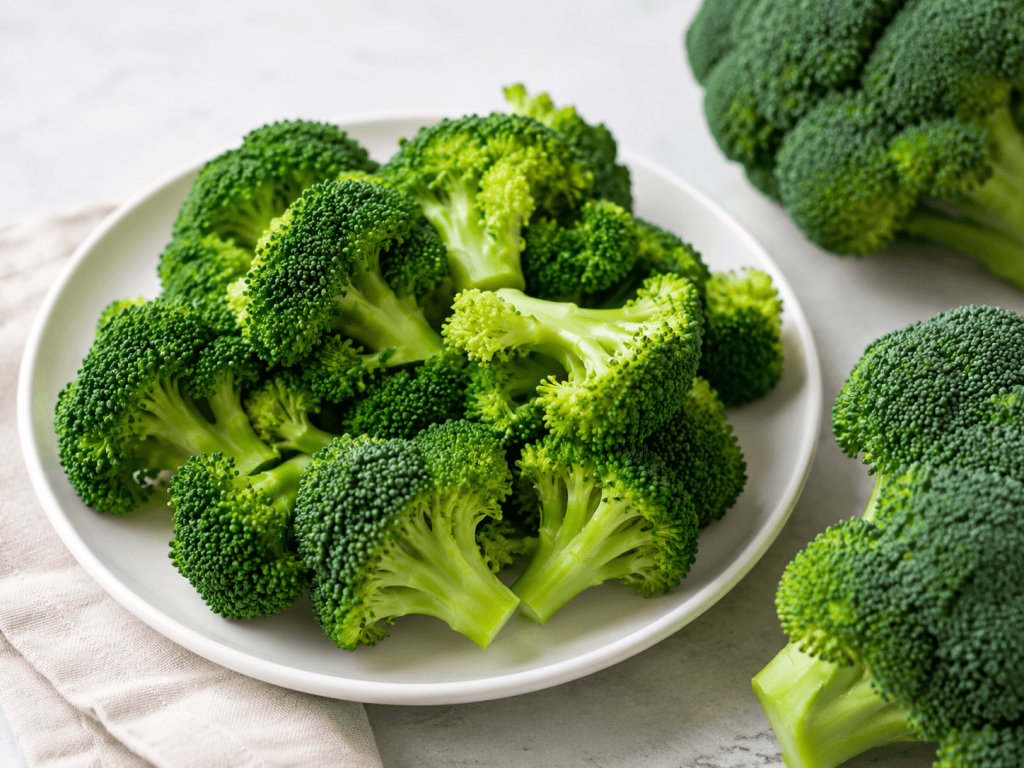
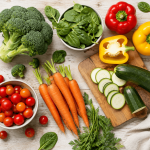
Broccoli lands on almost every weight-loss list, and it’s earned the spot — high fiber, a little protein for a vegetable, and it takes actual chewing to get through. That last part matters more than people assume. Food that takes longer to eat tends to leave you more satisfied once you’re done.
Roast it with olive oil and garlic instead of steaming it plain. You’ll eat a full serving without forcing it.
2. Spinach and Other Leafy Greens
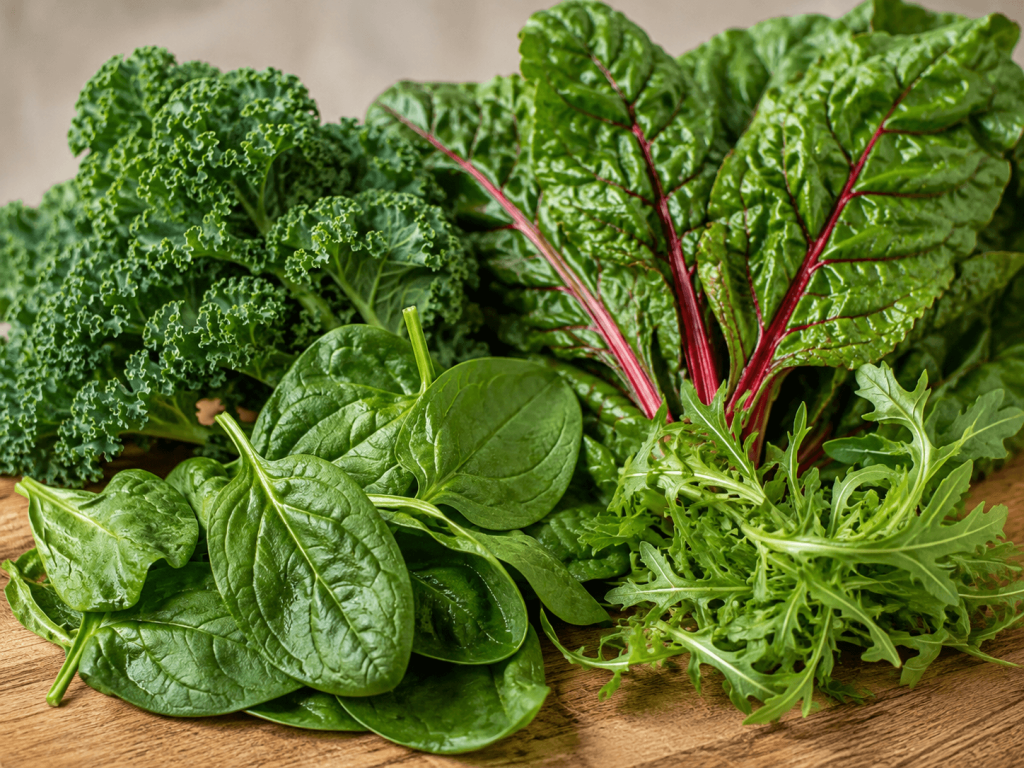
Spinach, kale, Swiss chard — these are about as low-calorie as food gets while still being genuinely nutrient-dense. On their own, they won’t fill you up much. But they’re perfect for bulking out a meal: a bed of sautéed spinach under a piece of salmon, a big handful of kale wilted into soup.
3. Brussels Sprouts
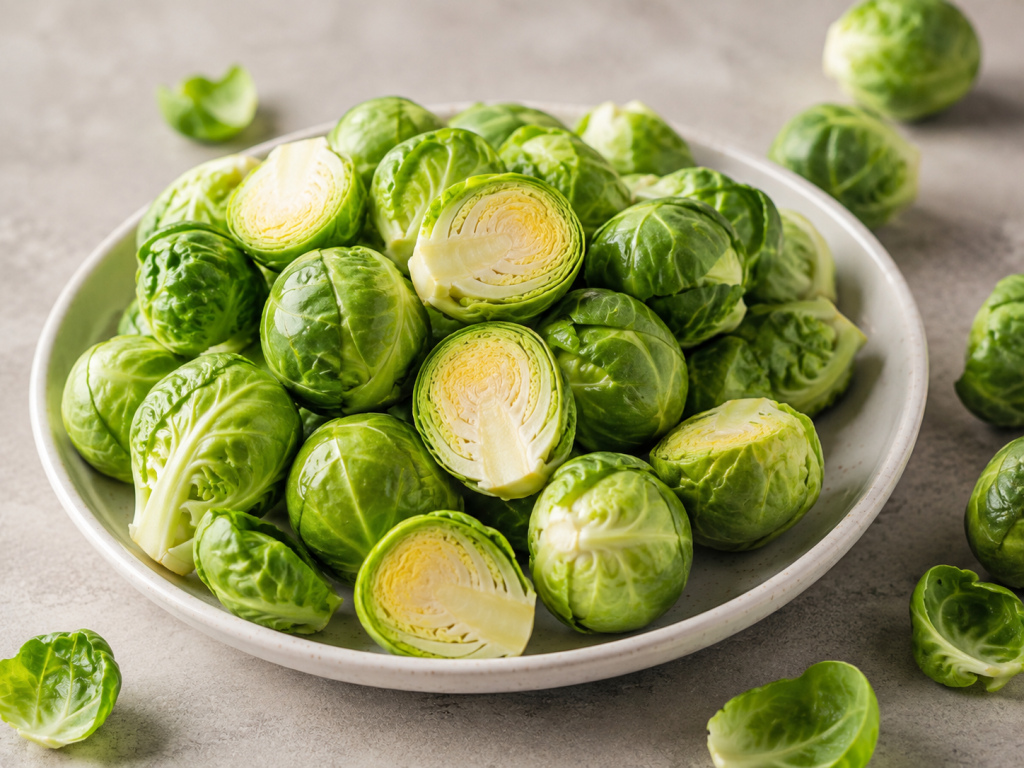
Brussels sprouts pack a surprising amount of fiber into something so small, and roasting brings out a natural sweetness that makes them easy to eat in a real quantity — not just a token spoonful pushed to the side of the plate.
4. Cauliflower
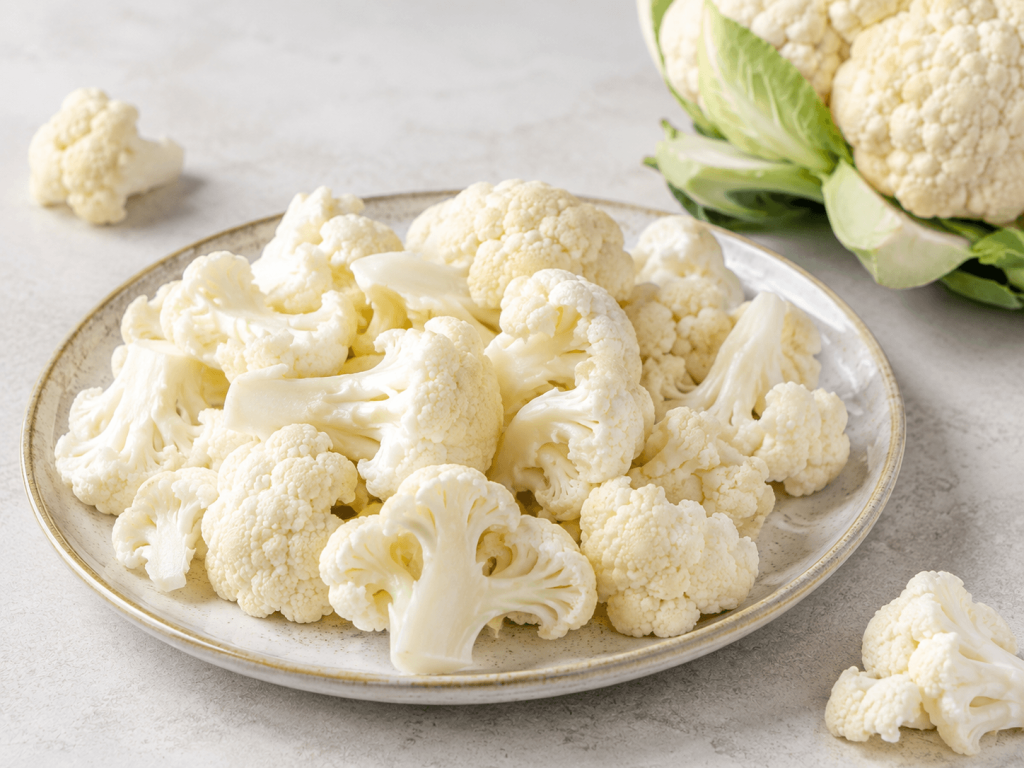
Cauliflower’s popularity boom makes sense once you’ve cooked with it — it takes on flavor well and can stand in for higher-calorie staples like rice or mashed potatoes. Swapping in cauliflower rice, even part of the time, cuts calories without the meal feeling like a downgrade.
5. Carrots
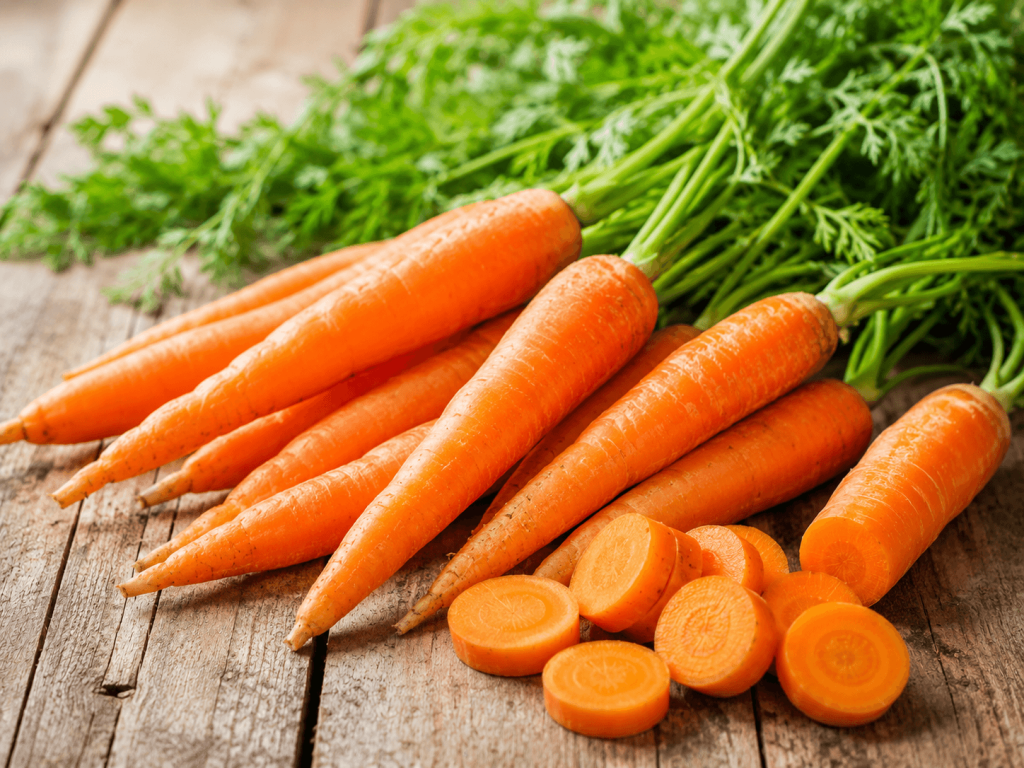
Carrots bring natural sweetness and a satisfying crunch, and that crunch matters more than people give it credit for — sometimes what you actually want is something to bite into. They’re also a solid fiber source, especially raw.
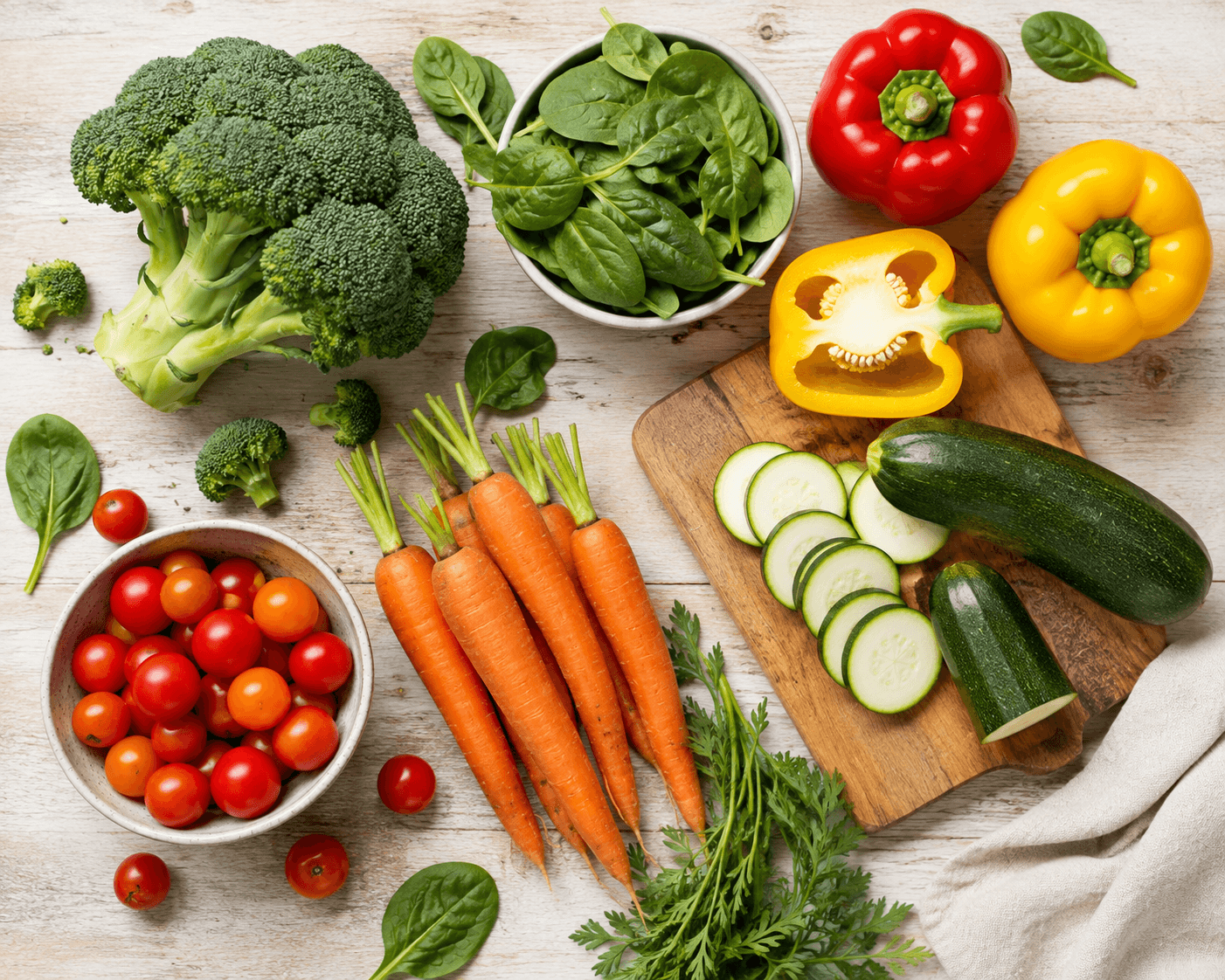
6. Bell Peppers
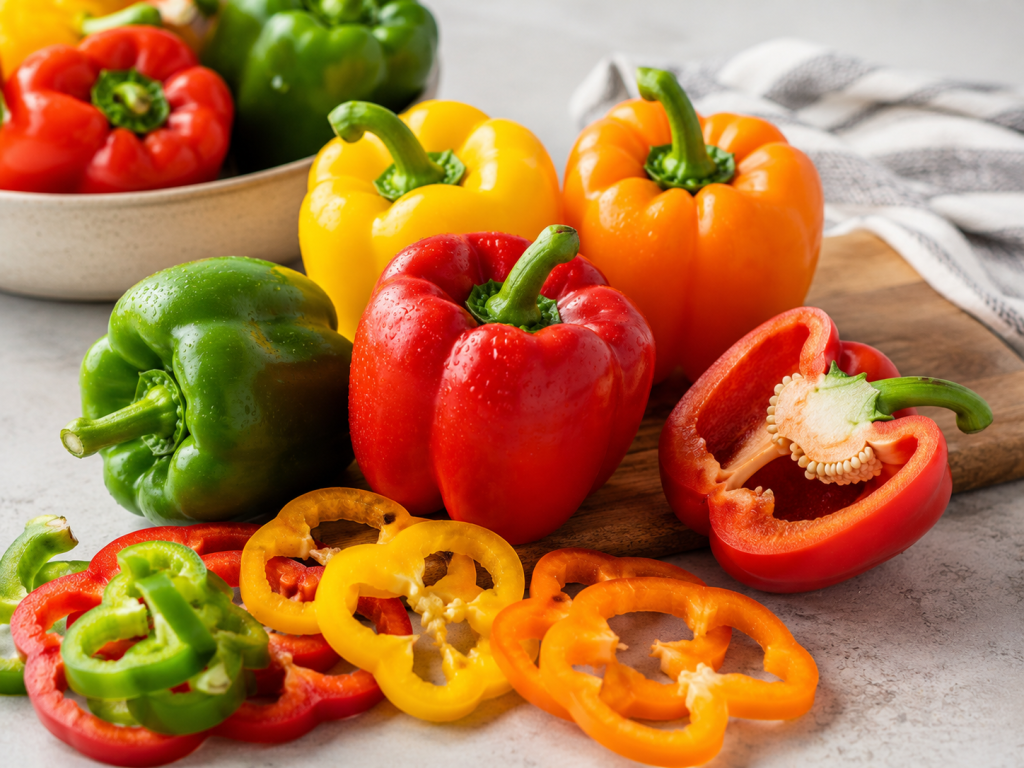
Bell peppers are low-calorie and mostly water, but they also bring real flavor and crunch, which makes them a better snack than they usually get credit for. Sliced peppers with hummus is a combination that genuinely satisfies, not just a “diet food” placeholder.
7. Zucchini
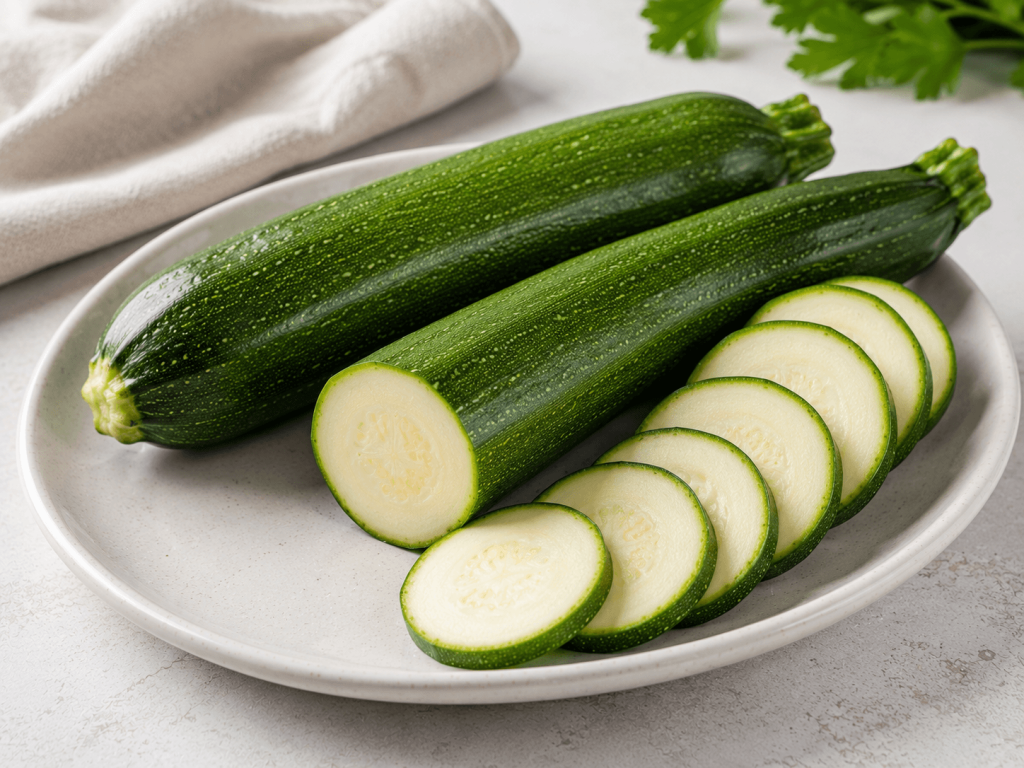
Zucchini is mostly water, so it’s low-calorie by default — but its real strength is versatility. Spiralized into noodles, grilled, roasted, even baked into muffins. That range keeps you from getting bored of it, which is half the battle with any vegetable.
8. Asparagus
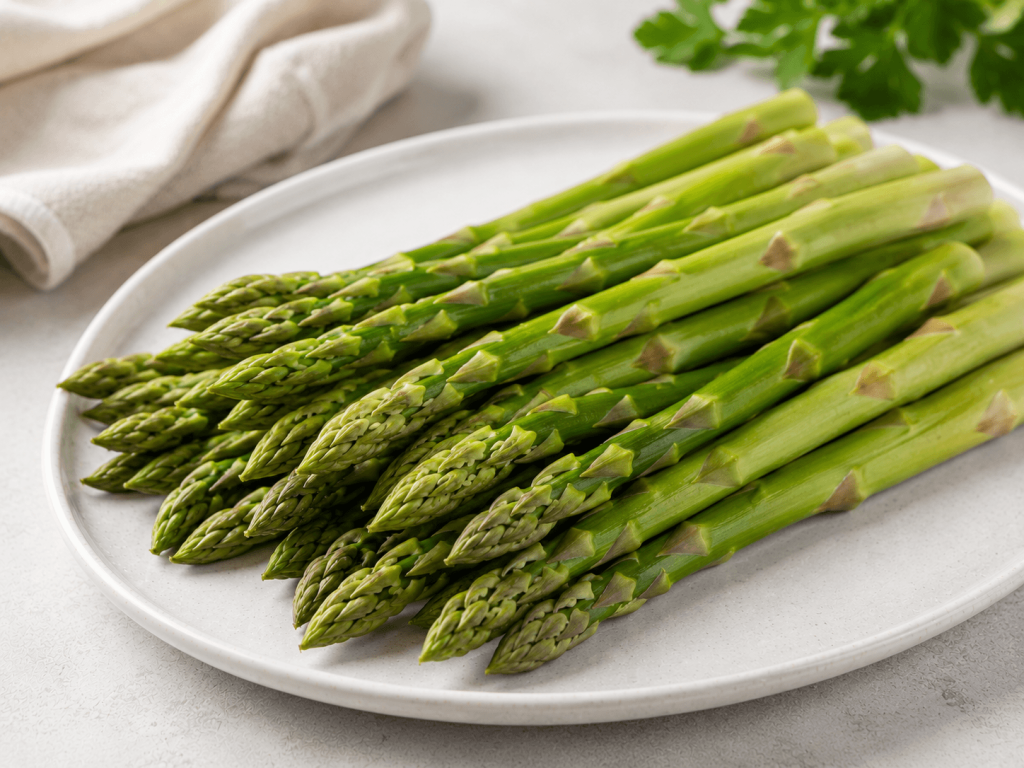
Asparagus is low-calorie with a decent amount of fiber, and it has a mild natural diuretic effect some people notice helps with water retention — not fat loss, just how you feel day to day. It also cooks fast, which counts for more than people admit on a busy weeknight when deciding what actually ends up on the plate.
9. Green Peas
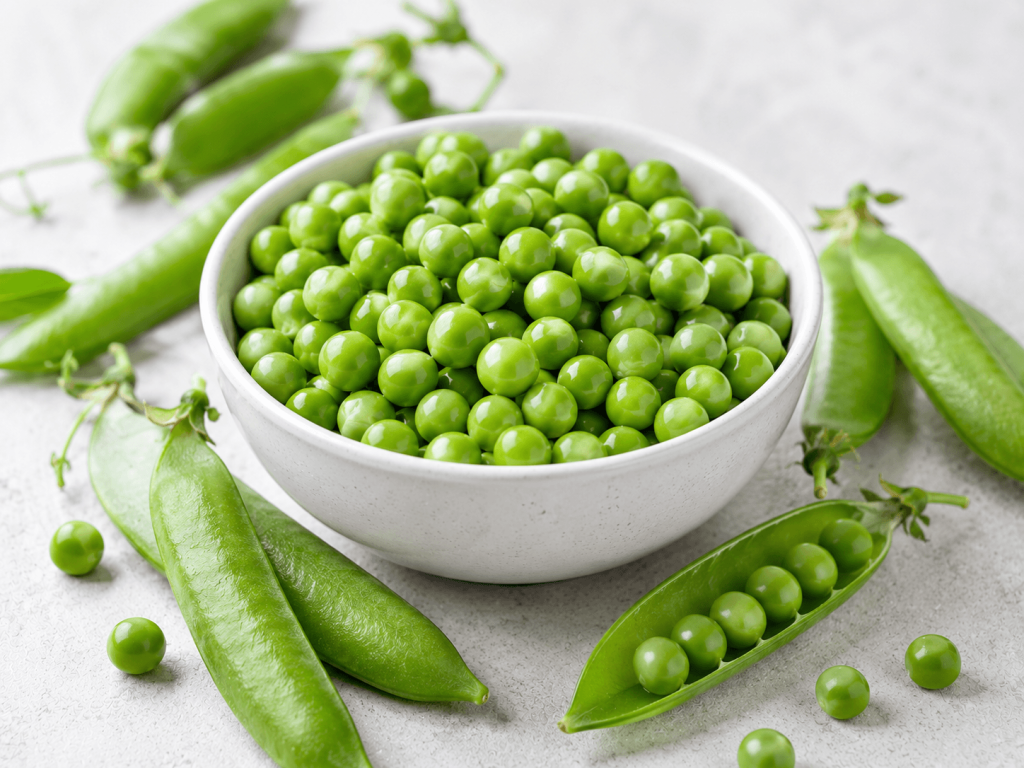
Peas break the mold a little — starchier and higher-calorie than most of this list, but with real protein and fiber that make them more filling per calorie than you’d expect. A cup of peas can genuinely carry you between meals in a way lettuce never will.
10. Artichokes
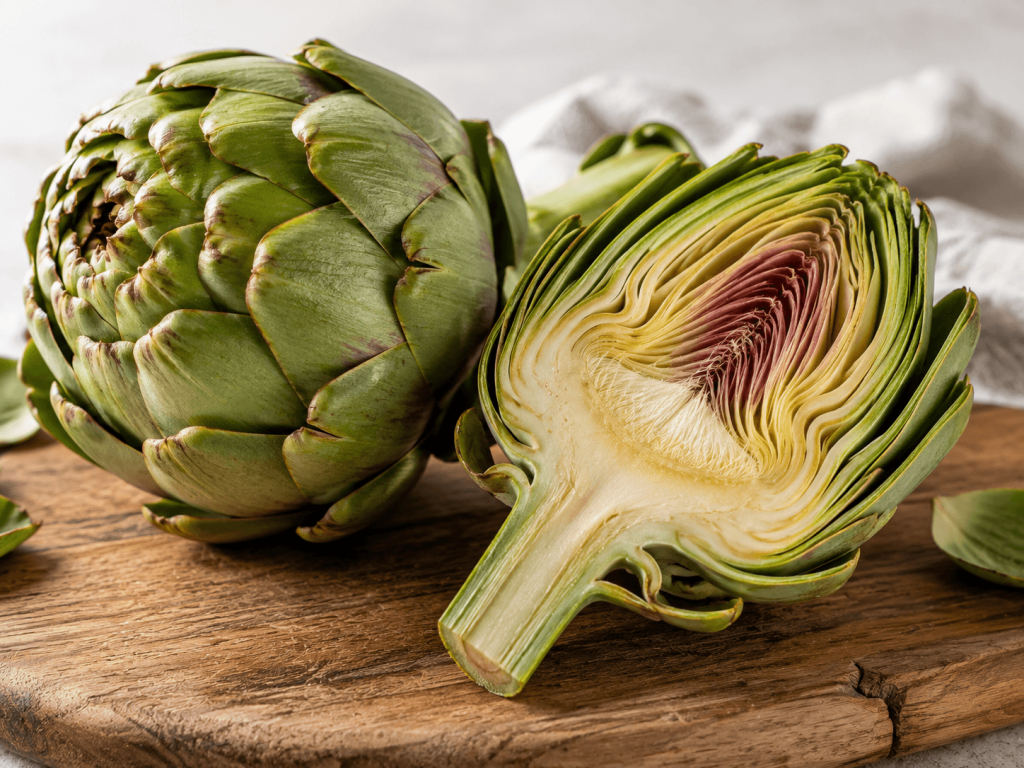
Artichokes are unusually high in fiber for a vegetable, and eating one is a whole process — pulling off each leaf, scraping it with your teeth. That slowness isn’t a downside; it’s part of why they work so well. You can’t exactly eat an artichoke mindlessly.
11. Sweet Potatoes
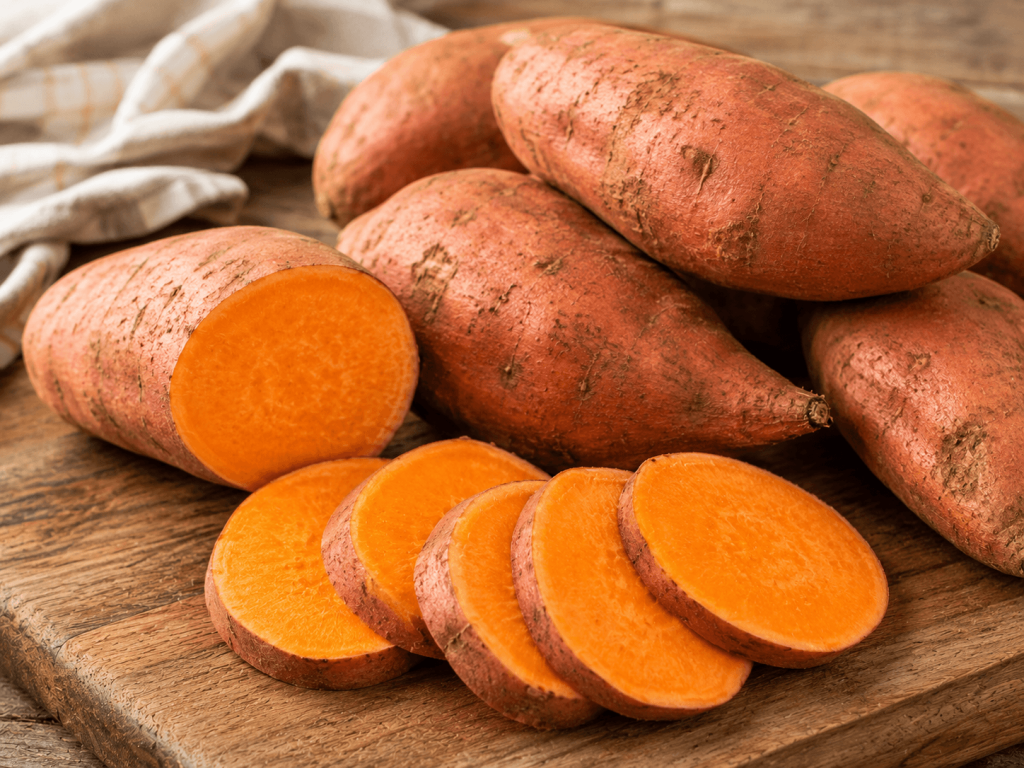
Sweet potatoes carry more calories than most vegetables on this list, but they bring fiber and a slower-digesting carbohydrate that keeps blood sugar steadier than white potatoes or white rice would. Portion size matters more here than with, say, spinach — but they’re still a smart carb choice.
12. Mushrooms
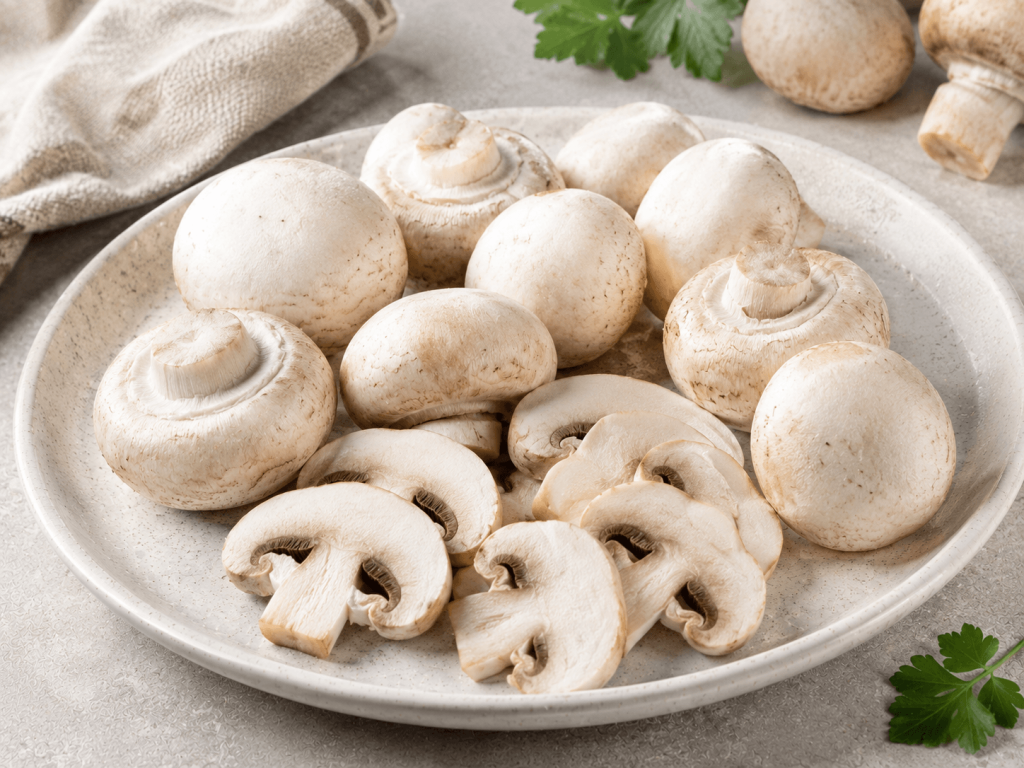
Mushrooms are low-calorie but have a dense, chewy texture that mimics meat in a way not many vegetables can pull off. Using mushrooms to replace part of the meat in a dish — a mushroom-beef blend in burgers or tacos, for instance — cuts calories without losing the satisfaction.
13. Tomatoes
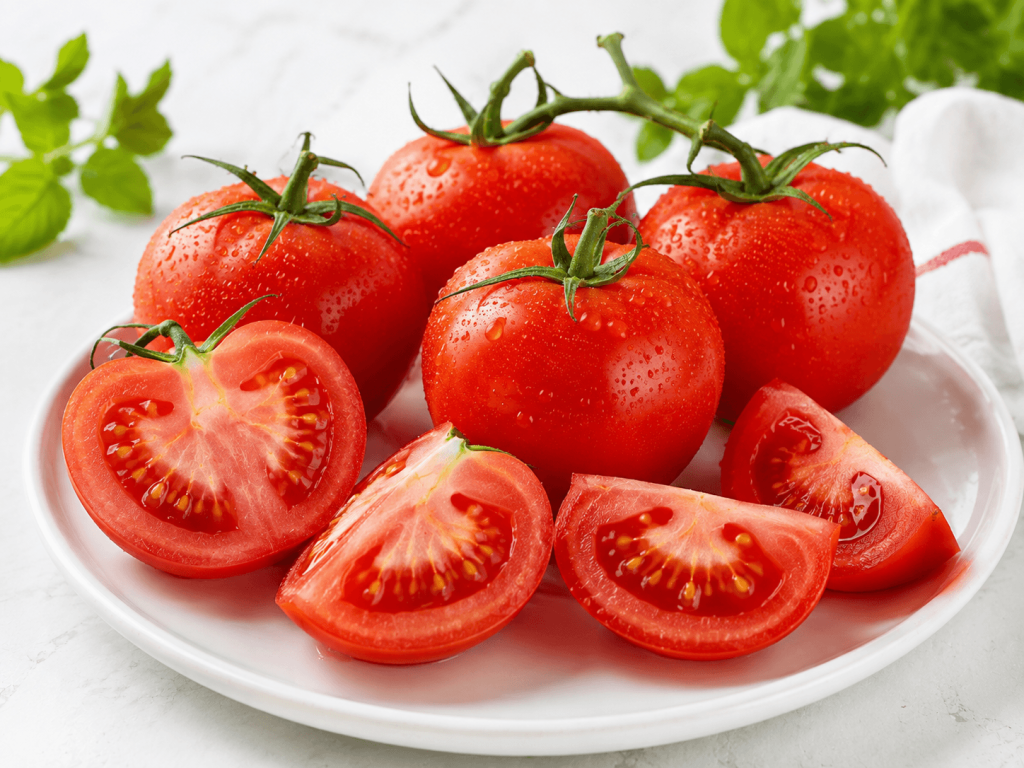
Tomatoes are mostly water, but they carry enough natural flavor and acidity to make a meal feel complete. An easy way to add volume and flavor to a dish without really moving the needle on calories.
Quick Comparison: Fiber, Water, and Fullness Factor
| Vegetable | Fiber Level | Water Content | Best Used As |
| Broccoli | High | Moderate | Main side, roasted or steamed |
| Spinach | Low-Moderate | High | Bulking out meals |
| Green Peas | High | Moderate | Protein-fiber combo, side dish |
| Sweet Potato | High | Low-Moderate | Carbohydrate swap |
| Zucchini | Moderate | Very High | Pasta or rice substitute |
How to Actually Build Vegetables Into a Weight Loss Diet
Knowing the list helps only if you eat enough of it. Here’s how to make that stick without turning it into a whole production. These simple weight loss tips can make healthy eating easier and help you stay consistent with your goals.
Fill Half the Plate First
Simplest rule that actually works: vegetables go on the plate before protein or carbs, not after. It’s a low-effort way to naturally shrink how much room is left for higher-calorie food — no calorie counting required.
Cook Them So You’ll Actually Want Them
Plain steamed broccoli gets old fast, and once it’s old, it stops getting eaten. Roasting with a bit of oil, adding herbs and spices, finishing with lemon — small changes that turn vegetables into something you look forward to instead of something you push around your plate.
Use Vegetables to Bulk Up Heavier Meals
Toss a big handful of spinach into pasta, or extra mushrooms and peppers into a stir-fry. You increase the volume of the meal without increasing the calories by much, which means a bigger, more satisfying plate for roughly the same cost.
Keep Something Prepped and Ready
A lot of vegetable-eating failures come down to convenience, not willpower. Cut carrots and peppers sitting in the fridge get eaten. Whole vegetables that need washing and chopping every single time you’re hungry — those tend to lose out to whatever’s faster.
Don’t Bury Them
Obvious, but worth saying anyway: a vegetable smothered in cheese sauce or fried in batter stops being a low-calorie food. Vegetables can be genuinely flavorful without disappearing under something else — herbs, spices, citrus, a moderate amount of healthy fat all go a long way.
Common Mistakes to Avoid
- Sticking only to raw vegetables. Some people find raw vegetables tougher to eat in real quantity than cooked ones. Cooked is fine — most of the fiber and nutrients stay intact, and you’re far more likely to actually finish a proper serving.
- Treating all vegetables as interchangeable. Sweet potatoes and lettuce are both technically “vegetables,” but they behave very differently calorie-wise. The denser ones still need portion awareness.
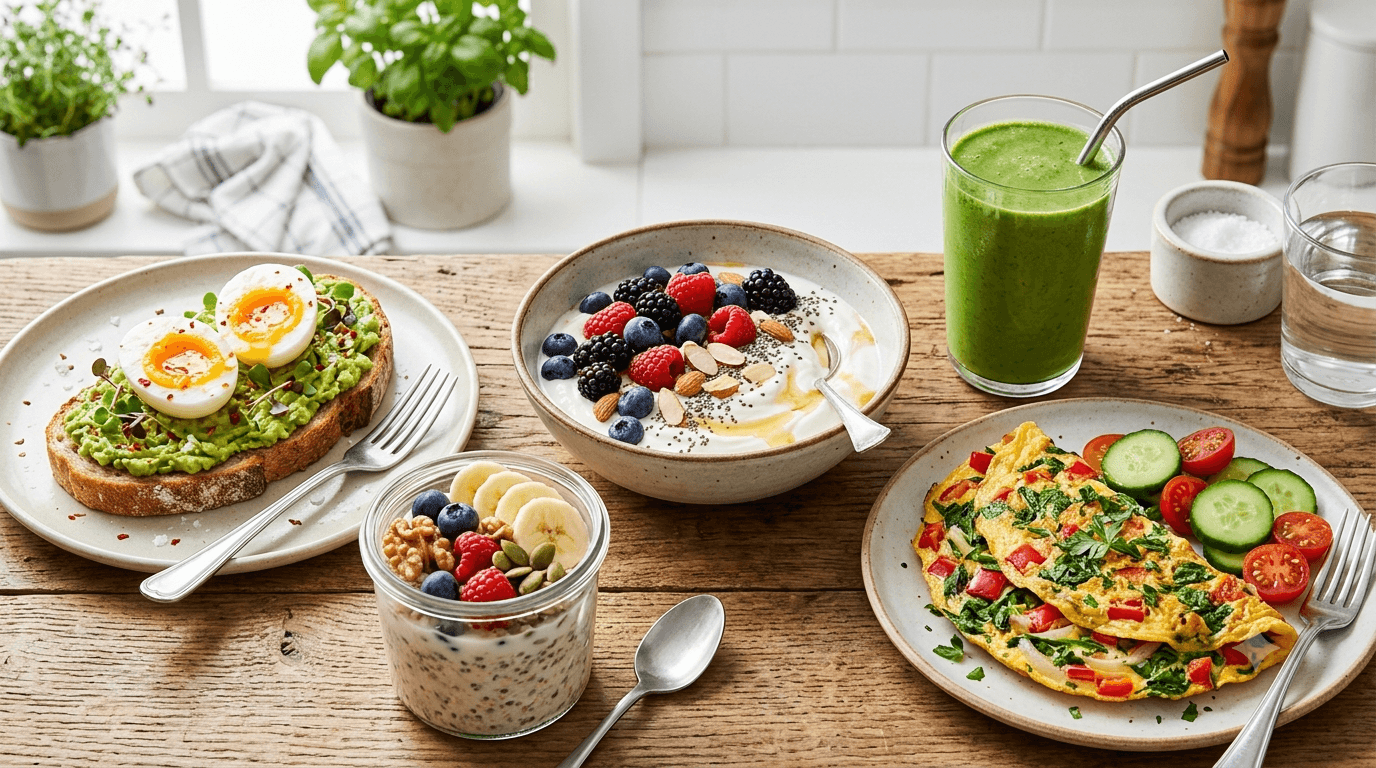
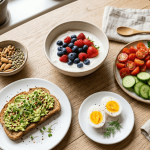
- Skipping vegetables at breakfast. Most people load them into lunch and dinner and forget them entirely in the morning — missing a big chunk of the day’s fiber opportunity in the process. A handful of spinach scrambled into eggs makes a noticeable difference.
- Assuming vegetable chips or juice count the same. Vegetable chips are usually fried and salted, and juicing strips out most of the fiber that made the whole vegetable useful. Whole, or at least lightly cooked, beats processed almost every time.
Frequently Asked Questions
What vegetable burns the most fat? None, really — that’s not how fat loss works. What high-fiber, low-calorie vegetables like broccoli and leafy greens do is help you feel full on fewer calories, which supports the calorie deficit that actually drives fat loss over time.
Can I eat unlimited vegetables while trying to lose weight? For most non-starchy vegetables — broccoli, spinach, peppers, zucchini — eating generous portions is generally fine, since they’re so low-calorie relative to their volume. Starchier ones like sweet potatoes and peas still need some portion awareness; their calorie count is meaningfully higher.
Are frozen vegetables as good as fresh for weight loss? Pretty much, yes. Frozen vegetables are typically flash-frozen shortly after harvest, which preserves most of their fiber and nutrients, and they’re often cheaper and more convenient than fresh. A completely reasonable choice for a weight-loss diet.
How many servings of vegetables should I eat per day for weight loss? General dietary guidelines commonly suggest somewhere around 2 to 3 cups a day for most adults, though the right number depends on activity level, calorie needs, and personal goals. More is rarely an issue with the non-starchy ones specifically.
Is it better to eat vegetables raw or cooked for weight loss? Both have a place. Cooking can make certain nutrients more available and vegetables easier to eat in larger amounts, while raw retains more of some heat-sensitive vitamins. For weight loss specifically, whichever version you’ll actually eat consistently wins.
Final Thoughts
The best vegetables for weight loss aren’t exotic or hard to track down — broccoli, spinach, peas, sweet potatoes, and the rest of this list are sitting in a regular grocery store right now. What makes them work isn’t magic. It’s fiber, water, and volume doing their job together, helping you feel genuinely full on fewer calories.
The practical next step: start filling half your plate with vegetables before anything else goes on it, keep a few prepped in the fridge so convenience stops being the excuse, and cook them in a way you’ll actually enjoy instead of just tolerate. Paired with enough protein from high protein foods for weight loss and consistent movement, that one shift can make a calorie deficit feel a lot more manageable — and a lot less like something you’re counting down the days to escape.