



Losing weight can feel overwhelming when the internet is full of fad diets, extreme workout plans, and quick-fix pills that promise the world but deliver nothing. The truth is simpler than most people think: sustainable fat loss comes from consistent, natural habits — not shortcuts.
If you’re searching for real, practical weight loss tips that actually work, you’re in the right place. This guide breaks down 25 proven strategies to help you lose fat naturally, improve your metabolism, and maintain a healthy lifestyle for the long run — without starving yourself or living in the gym.If you’re looking for more evidence-based health and wellness articles, visit Health and Fitness Club for expert guidance on nutrition, fitness, weight management, and healthy living.
Let’s dive in.
Why Natural Weight Loss Works Better Than Quick Fixes
Before jumping into the tips, it’s important to understand why natural, gradual weight loss beats crash diets every time.
- Crash diets often cause muscle loss, not just fat loss.
- Extreme calorie restriction slows your metabolism over time.
- Most quick-fix diets are not sustainable, leading to the dreaded “yo-yo” effect.
- Natural fat loss protects your hormonal balance, energy levels, and mental health.
Sustainable weight loss is about building habits you can maintain for years — not weeks. Now, let’s get into the 25 proven tips.
1–5: Nutrition-Based Weight Loss Tips
Nutrition plays the biggest role in fat loss — often more than exercise itself.
1. Eat in a Moderate Calorie Deficit
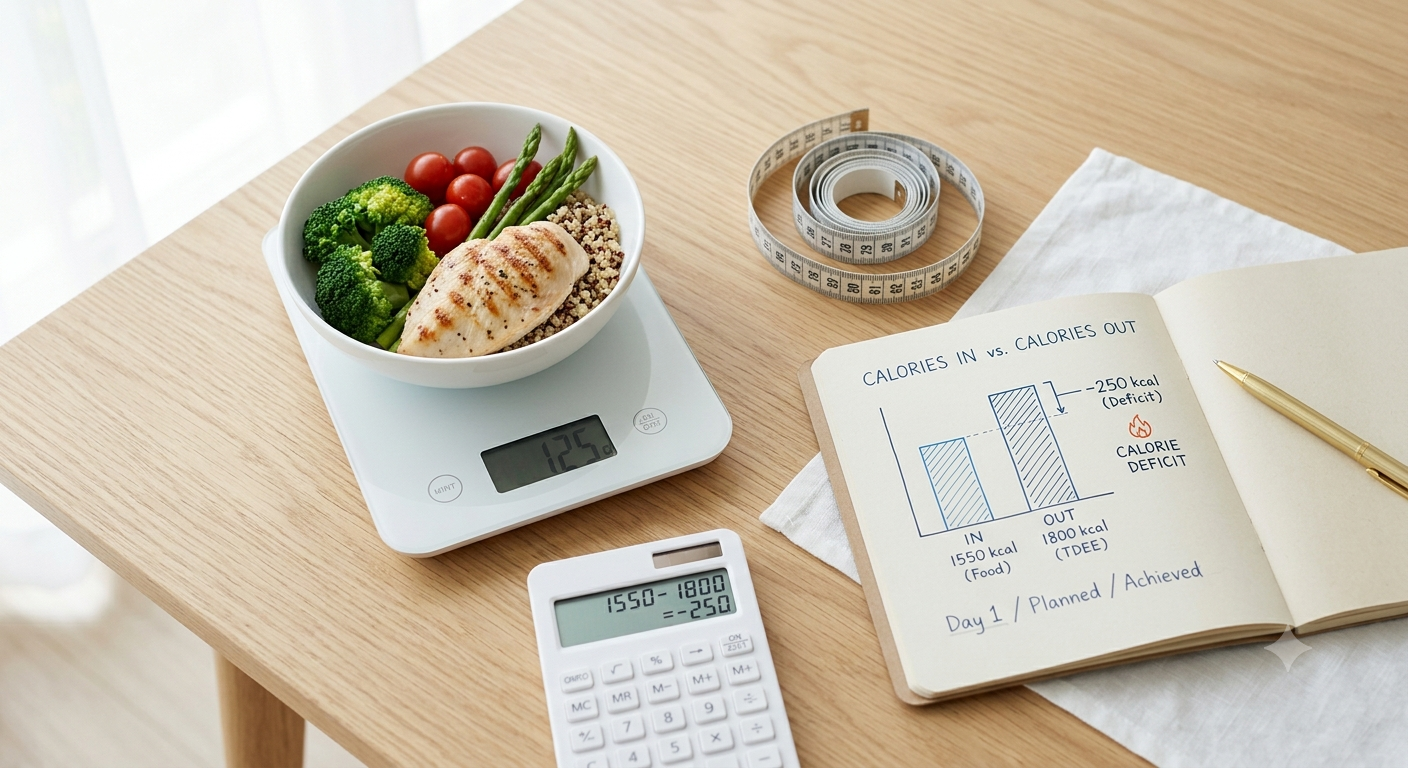
Weight loss ultimately comes down to burning more calories than you consume. Aim for a moderate calorie deficit of 300–500 calories per day rather than drastic cuts, which can backfire and cause binge eating.
2. Prioritize Protein in Every Meal
Protein keeps you fuller for longer, preserves lean muscle mass, and slightly boosts metabolism through the thermic effect of food. Include eggs, chicken, fish, tofu, lentils, or Greek yogurt in your meals.
3. Increase Fiber Intake
High-fiber foods like vegetables, oats, and legumes slow digestion, control blood sugar spikes, and reduce hunger — making calorie control much easier.
4. Cut Back on Added Sugar and Refined Carbs
Sugary drinks, pastries, and white bread spike insulin levels and encourage fat storage. Replacing them with whole grains and natural sugars from fruit supports steady fat loss.
5. Practice Portion Control
Even healthy foods can lead to weight gain if eaten in excess. Use smaller plates, measure servings, and pay attention to your body’s hunger cues instead of eating on autopilot.
6–10: Lifestyle Habits for Sustainable Fat Loss
Weight loss isn’t just about food — your daily lifestyle habits matter just as much.
6. Get 7–9 Hours of Quality Sleep
Poor sleep disrupts hunger hormones (ghrelin and leptin), making you crave high-calorie foods. Prioritizing sleep is one of the most underrated weight loss tips for hormonal balance.
7. Manage Stress Levels
Chronic stress raises cortisol, a hormone linked to increased belly fat and cravings. Practices like meditation, deep breathing, journaling, or a short walk can help keep stress in check.
8. Stay Hydrated Throughout the Day
Drinking enough water supports metabolism, helps control appetite, and is often confused with hunger. Try drinking a glass of water before meals to naturally reduce overeating.
9. Limit Alcohol Consumption
Alcohol is calorie-dense and can lower inhibitions around food choices. Cutting back — even slightly — can accelerate natural fat loss.
10. Avoid Eating Late at Night
Late-night eating is often linked to mindless snacking and poor food choices. Try to finish your last meal 2–3 hours before bedtime for better digestion and sleep quality.
11–15: Exercise Tips to Burn Fat Naturally
Exercise supports fat loss, builds lean muscle, and improves long-term metabolic health.
11. Combine Strength Training with Cardio
Strength training builds muscle, which increases your resting metabolic rate, while cardio burns calories efficiently. A mix of both is ideal for natural weight loss.
12. Try High-Intensity Interval Training (HIIT)
HIIT workouts burn a high number of calories in a short time and continue burning calories even after your workout ends — known as the “afterburn effect.”
13. Walk More Every Day
Walking is a low-impact, sustainable way to burn calories. Aim for 8,000–10,000 steps daily to support consistent fat loss without overtraining.
14. Don’t Skip Rest Days
Overtraining can increase cortisol and cause fatigue, hindering fat loss. Rest days allow muscle recovery and prevent burnout.
15. Stay Consistent Rather Than Extreme
A moderate workout routine followed consistently beats an intense routine you quit after two weeks. Consistency is the real secret behind every successful fat loss journey.
16–20: Mindset and Behavioral Tips
Your mindset often determines whether weight loss becomes a permanent lifestyle or a temporary phase.
16. Set Realistic, Long-Term Goals
Aiming to lose 1–2 pounds per week is realistic and sustainable, unlike extreme goals that lead to burnout or disappointment.
17. Practice Mindful Eating
Eating slowly, without distractions like phones or TV, helps you recognize fullness cues and prevents overeating.
18. Track Your Progress (Without Obsessing)
Use a journal or app to track meals and workouts, but avoid becoming obsessive about numbers. Progress photos and how your clothes fit can matter more than the scale.
19. Build a Support System
Having friends, family, or online communities for accountability significantly increases your chances of long-term success.
20. Focus on Non-Scale Victories
Better sleep, more energy, improved mood, and stronger workouts are all signs of progress — even if the scale doesn’t move every week.
21–25: Long-Term Healthy Lifestyle Tips
These final tips help you maintain your results and avoid regaining weight after reaching your goal.
21. Meal Prep for Consistency
Preparing meals in advance reduces the temptation to order fast food and helps you stick to your nutrition goals during busy weeks.
22. Read Nutrition Labels
Understanding calorie counts, sugar content, and portion sizes empowers you to make smarter choices at the grocery store.
23. Support Your Gut Health
A healthy gut microbiome, supported by probiotics and fiber-rich foods, is linked to better metabolism and reduced inflammation.
24. Avoid Comparing Your Journey to Others
Everyone’s body responds differently to diet and exercise. Comparing your progress to others can lead to frustration and unhealthy habits.
25. Make It a Lifestyle, Not a Diet
The most important of all weight loss tips is this: sustainable fat loss isn’t a 30-day challenge — it’s a long-term lifestyle built on balanced eating, regular movement, and self-care.
Quick Recap: 25 Weight Loss Tips at a Glance
- Eat in a moderate calorie deficit
- Prioritize protein
- Increase fiber intake
- Cut added sugar and refined carbs
- Practice portion control
- Sleep 7–9 hours nightly
- Manage stress
- Stay hydrated
- Limit alcohol
- Avoid late-night eating
- Combine strength training and cardio
- Try HIIT workouts
- Walk more daily
- Take rest days
- Stay consistent
- Set realistic goals
- Practice mindful eating
- Track progress without obsessing
- Build a support system
- Focus on non-scale victories
- Meal prep
- Read nutrition labels
- Support gut health
- Avoid comparison
- Treat it as a lifestyle, not a diet
Frequently Asked Questions About Weight Loss Tips
Q1: What is the fastest way to lose weight naturally? The fastest sustainable way is combining a moderate calorie deficit, high protein intake, regular strength training, and enough sleep. Extreme methods may show quick results but are rarely permanent.
Q2: How much weight loss per week is healthy? Losing 1–2 pounds (0.5–1 kg) per week is considered safe and sustainable by most health experts, as it typically preserves muscle mass and prevents metabolic slowdown.
Q3: Can I lose weight without exercise? Yes, weight loss is possible through diet alone since it’s primarily driven by a calorie deficit. However, combining nutrition with exercise leads to better long-term results and improved body composition.
Q4: What foods help burn fat naturally? Foods high in protein and fiber — such as eggs, lean meats, legumes, leafy greens, and whole grains — support fat loss by increasing satiety and stabilizing blood sugar.
Q5: Why am I not losing weight despite dieting? Common reasons include hidden calorie intake, inadequate sleep, high stress levels, inconsistent tracking, or an underlying medical condition. Reviewing your habits honestly or consulting a professional can help identify the cause.
Final Thoughts
Losing weight naturally isn’t about punishing your body — it’s about building habits that support it. These 25 weight loss tips cover nutrition, exercise, mindset, and lifestyle changes that work together to help you lose fat naturally and keep it off for good.