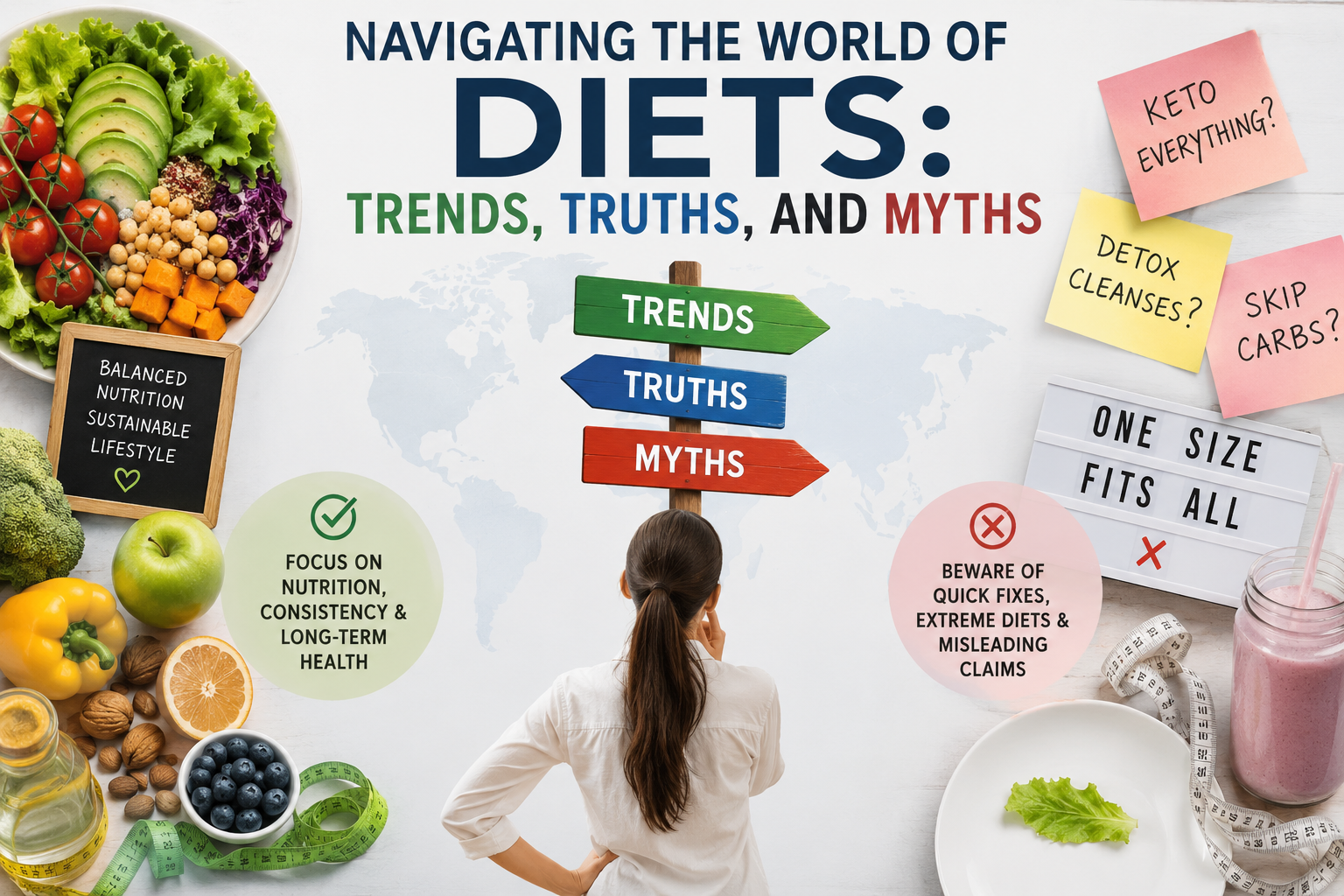

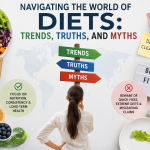

We’ve all been there—scrolling through endless health blogs, feeling overwhelmed by conflicting advice. One day, a specific superfood is the hero; the next, it’s the villain. But what does the actual science say? Today, we’re cutting through the noise. Let’s break down the latest nutrition research and look at how small, science-backed changes can actually move the needle for your health, performance, and long-term energy.
Blueberries: Nature’s Secret Weapon

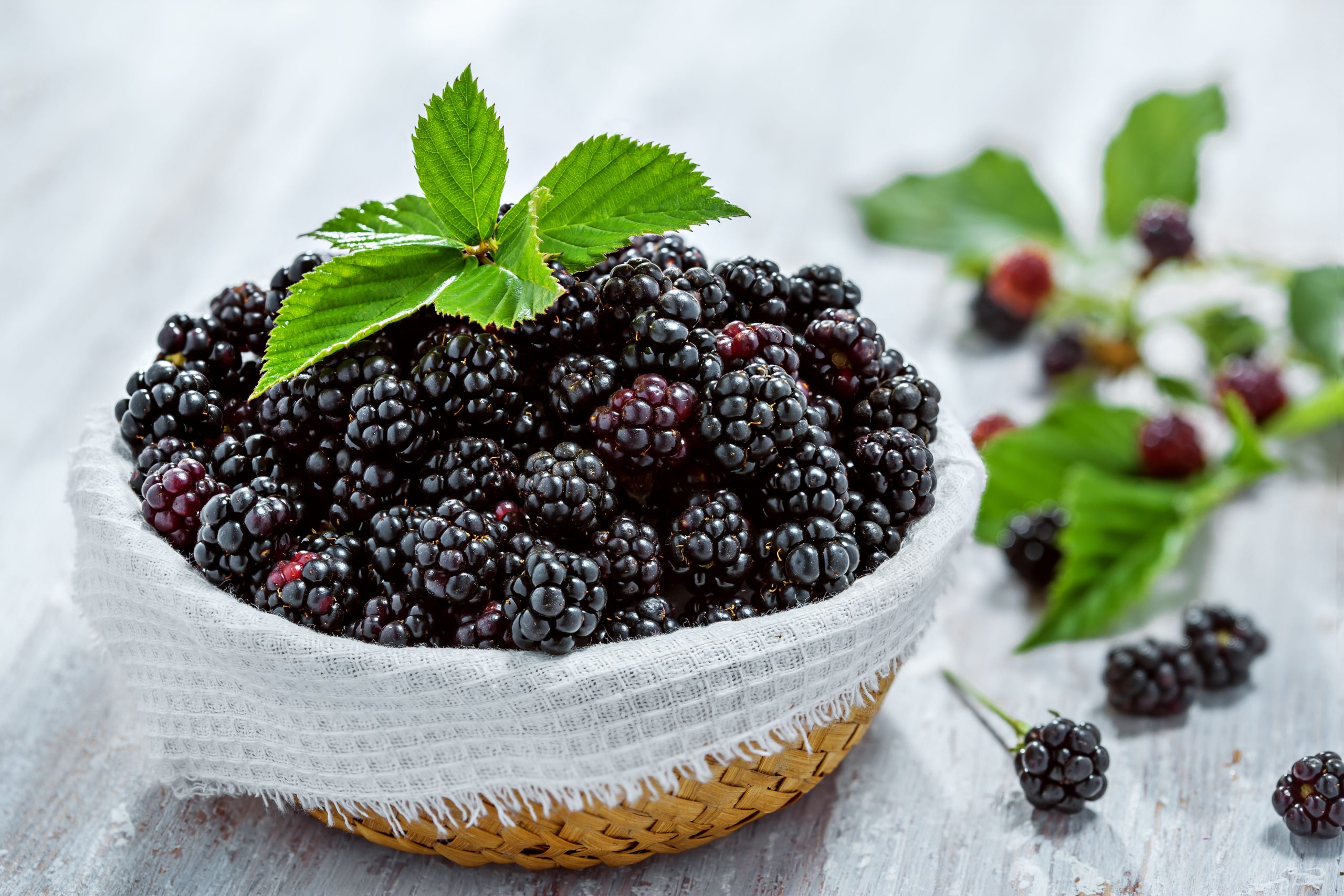
Blueberries are frequently called a “superfood,” and for once, the hype is backed by solid research. They aren’t just tasty; they are functional fuel.
Why Your Skin Loves Them
It’s not just about what you eat; it’s about how your body reflects that health. The benefits of blueberries for skin are primarily tied to their anthocyanin content—the pigments that give them their deep blue color. These powerful antioxidants neutralize free radicals, which are the main culprits behind premature skin aging and environmental damage. If you’re looking for a natural way to maintain a glow, blueberries are your best bet.
Hydration with a Twist
If you struggle with the taste of plain water, benefits of blueberry water go beyond mere hydration. By infusing water with these berries, you’re getting a subtle dose of vitamins and antioxidants without the sugar spike of traditional sports drinks. For those asking about the benefits of drinking blueberry juice or a pomegranate and blueberry juice blend, the research points toward better cardiovascular health and improved blood flow.
The Frozen Berry Myth
Here is a common question: “Are frozen berries as good as fresh?” The short answer is yes. In fact, the health benefits of frozen blueberries are often superior because they are picked and flash-frozen at peak ripeness. Whether you enjoy eating frozen blueberries at night or before bed, you’re getting a low-calorie, fiber-rich snack that stabilizes your blood sugar while you sleep. Additionally, the benefits of blueberries during pregnancy include a dense supply of folate and fiber, which are essential during those critical months.
Avocado: Rethinking Healthy Fats

For years, people avoided fat like the plague. We now know that was a mistake. Avocado has effectively rewritten the rules of the game.
Breaking Down the Math
When we look at the nutritional value of 1/2 avocado, we aren’t just seeing calories; we are seeing a powerhouse of monounsaturated fats and fiber. Even if you look at small avocado nutrition facts, you’ll find that the quality of these fats is unparalleled for heart health. If you are tracking macros, knowing the hass avocado nutritional information helps you understand why this fruit is a staple for satiety.
Beyond the Toast
We all love avocado toast nutrition, but it’s time to get creative. Whether it’s avocado salad nutrition or experimenting with avocado oil nutrition for cooking, you’re making a smart choice. Unlike many seed oils that break down under high heat, avocado oil has a high smoke point, making it a stable and healthy choice for your kitchen.
Movement: The Calisthenics Revolution
You don’t need a gym membership to be an athlete. Calisthenics is all about mastering your own body weight.
Start Where You Are
A calisthenics workout plan for beginners is the best way to build a foundation. You don’t need fancy equipment—just gravity and focus. A full body calisthenics workout can be done in your living room. If you’re targeting specific muscle groups, a calisthenics chest workout or an upper body calisthenics workout can be incredibly effective when you focus on time under tension rather than heavy iron.
Strength for Longevity
For those over 40, exercise is about quality of life. Strength training programs for women over 40 are non-negotiable for bone density and hormonal balance. If you are worried about joint stress, low impact strength training for women allows you to build muscle safely without the harsh wear and tear.
Calm Amidst the Chaos: Mental Clarity

Your brain is an organ, and it requires specific nutrients and habits to function correctly.
- Supplements: When discussing stress and anxiety relief supplements, always prioritize magnesium and omega-3s, which have a strong research backing for brain health.
- The Physical Link: Sometimes, physical pressure helps mental state. Learning pressure points for anxiety relief can be a game-changer when you’re feeling overwhelmed.
- Mindfulness: If you find yourself trapped in a loop, mindfulness exercises for overthinking—like the 5 senses mindfulness exercise—work by forcing your brain to switch from “future worry” to “present reality.”
Frequently Asked Questions (FAQs)
Does eating fruit at night cause weight gain? Not at all. Especially with low-glycemic fruits like blueberries, eating them before bed can actually help prevent late-night cravings for processed sugars.
Is avocado too high in fat for a weight-loss diet? Quite the opposite. The combination of healthy monounsaturated fats and fiber in avocados helps you feel full longer, which naturally leads to lower overall calorie consumption throughout the day.
Can I really build muscle with calisthenics alone? Absolutely. By increasing the difficulty of the leverage (e.g., changing push-up angles or focusing on slow negatives), you can continue to trigger muscle hypertrophy without ever touching a dumbbell.
How do I start if I have never done strength training? Start with low-impact bodyweight movements. Focus on perfect form over speed. Once you can comfortably do 10-15 repetitions with good form, you can begin adding complexity or intensity.
What is the biggest mistake people make with nutrition? The biggest mistake is over-complicating it. Stick to whole foods, prioritize protein and fiber, and stop looking for “magic pills.” Consistency beats intensity every single time.
Disclaimer:
This guide is for informational and educational purposes only. I am sharing insights based on general nutritional research, not medical advice. Nutrition is highly individual—what works for one person might not work for another due to underlying health conditions, genetics, or activity levels. Always consult with a registered dietitian, nutritionist, or your primary care physician before making any significant changes to your diet, starting a new fitness regimen, or beginning any supplement routine. If you are experiencing signs of an eating disorder, please reach out to a healthcare professional immediately.