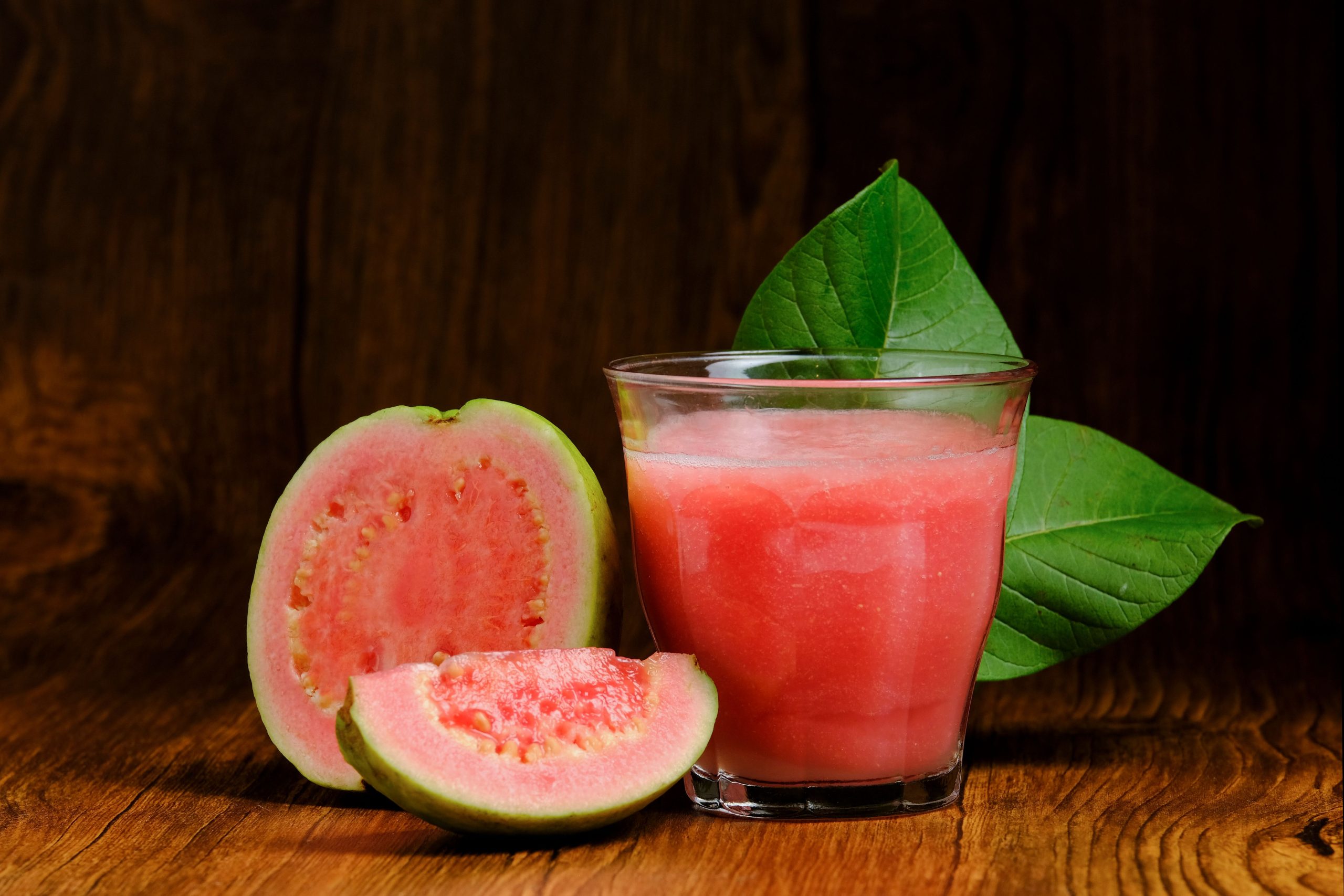
Guava, scientifically known as Psidium guajava, is often referred to as a “nutritional powerhouse” or a “superfruit.” With its unique sweet-tart flavor and vibrant flesh, it has become a favorite globally. But beyond the taste, guava offers a dense profile of vitamins, minerals, and antioxidants that can transform your health. If you’re looking to improve your diet, understanding the nutritional facts of guava is the first step toward a healthier lifestyle.
Detailed Nutritional Breakdown (Per 100g)
To understand why guava is considered a “healthy fruit,” we have to look at what’s inside. Guava is uniquely low in calories yet extremely high in essential nutrients.
Why Guava Outshines Other Fruits
Vitamin C Superiority: Did you know that a single guava provides nearly four times the daily recommended value of Vitamin C? It puts oranges to shame!
Fiber Density: Guava is one of the highest fiber-containing fruits, which is essential for maintaining a healthy metabolic rate.
Low Glycemic Index: It is an excellent choice for those tracking their sugar intake.
Potassium Content: Guava contains more potassium than a banana, which is crucial for heart health and electrolyte balance.
Top Health Benefits of Guava
Eating guava isn’t just about snacking; it’s about preventative medicine. Here is why you should eat it daily:
Immune System Optimization
Because of the massive dose of Vitamin C, guava helps fight off infections and reduces the duration of common colds. It acts as an antioxidant shield for your body.
Digestive Health and Gut Microbiome

The high dietary fiber content aids in bulk formation, which helps in seamless digestion. It is particularly effective for those suffering from chronic constipation or irregular bowel movements.
Skin Glow and Anti-Aging Properties
Guava is rich in Vitamin A, Vitamin C, and antioxidants like lycopene and carotene. These nutrients protect your skin from UV damage, delay the signs of aging, and help clear up acne-related issues.
Expert Tips: How to Consume Guava Effectively
Many people discard the seeds or skin, but that is where most of the nutrition lies.
Eat the Whole Fruit: The skin of the guava is packed with nutrients. Wash it thoroughly and eat it whole.
Guava Tea: Believe it or not, guava leaf tea is becoming a popular remedy for digestive issues and weight management.
Pairing: Combine guava with nuts or Greek yogurt to balance your protein intake with the fruit’s natural fiber.
Frequently Asked Questions (FAQs)
Q1: What are the primary nutritional facts of guava? Guava is rich in Vitamin C, dietary fiber, potassium, folate, and powerful antioxidants like lycopene and flavonoids.
Q2: Is it safe to eat guava seeds? Yes, the seeds are perfectly safe to eat. In fact, they contain healthy fatty acids and fiber that are beneficial for your gut.
Q3: Does guava help in weight management? Yes, its high fiber-to-calorie ratio keeps you feeling satiated for a longer time, which prevents overeating.
Q4: Can guava help with sugar regulation? Yes, guava has a low glycemic index, and several studies suggest that guava leaf extract may help improve blood sugar control.
Q5: Are there any side effects of eating too much guava?
A: While guava is healthy, eating too much of it (due to high fiber) can occasionally cause bloating or digestive discomfort in sensitive individuals. Moderation is key.
Q6: What is the best time to eat guava? The best time to eat guava is during the daytime, preferably between meals, to maximize nutrient absorption and fiber benefits.
Disclaimer
The information provided in this article is for educational and informational purposes only and is not intended as a substitute for professional medical advice, diagnosis, or treatment. Always seek the advice of your physician or other qualified health provider with any questions you may