






The “I’ll Start Tomorrow” Trap
Let’s be honest: the hardest part of any workout isn’t the actual lifting or the running. It’s the battle in your head before you even lace up your shoes. We all have those days where stress and anxiety make the idea of moving feel like a chore. You’re tired, the couch is comfortable, and your brain is giving you a million excuses. But here’s the reality—if you only work out when you feel like it, you’ll never get the results you want.
Why Your Routine Breaks Down
Most people fail at fitness because they try to do too much, too fast. They think they need an hour in a high-end gym, a strict diet, and the motivation of an athlete. That’s not sustainable. That’s just a recipe for burnout.
The “Consistency over Intensity” Rule
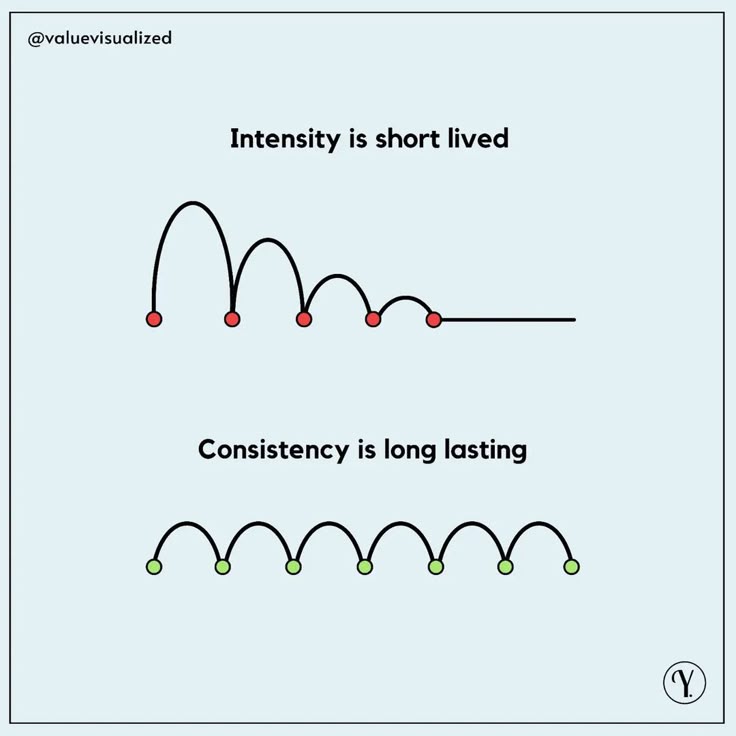
If you can’t manage a 60-minute session, don’t do it. Do 15 minutes. Do 10. Just move. The “sweat barrier” is usually just a mental block. Once you start moving, the endorphins kick in, and suddenly, that heavy feeling in your chest starts to lift. Whether it’s calisthenics in your living room or a quick yoga flow to stretch out the day’s tension, the goal is just to show up.
Fueling Through the Resistance
You can’t break through your fitness barriers if you’re running on empty. If you’re sluggish, it’s usually because your “performance portfolio” is missing the basics.
Smart Fueling for Energy Stability
- Avocado Nutrition: When your brain feels foggy, it needs fats. Don’t fear the avocado. It’s the best way to get sustained energy without the spikes and crashes of processed snacks.
- The Antioxidant Boost: After a tough session, your body needs to recover. Grab a handful of blueberries or some fresh guava or grapes. These aren’t just snacks; they’re the cellular cleanup crew that helps you bounce back for the next day.
How to Hack Your Motivation
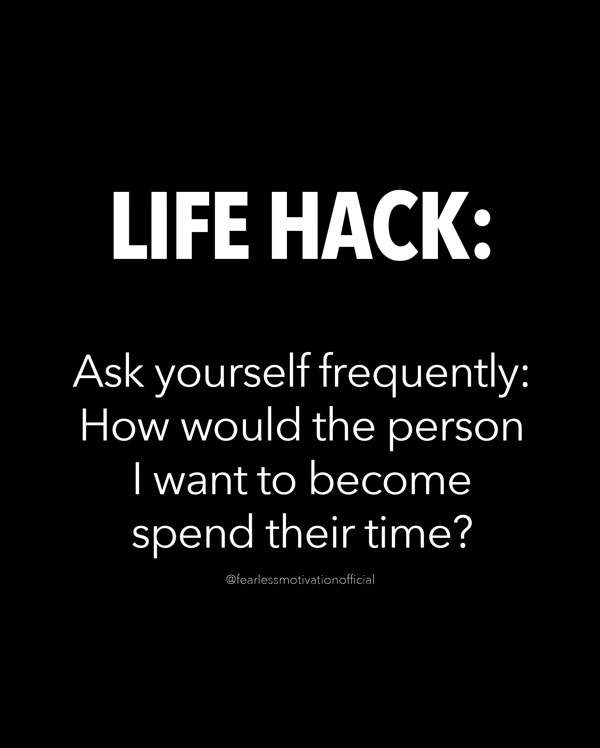
Motivation is a myth. Discipline is the game. Here is how I force myself to break that sweat barrier even when I’d rather be doing literally anything else:
- The 5-Minute Rule: Tell yourself you’ll only train for 5 minutes. If you want to quit after that, fine. But 99% of the time, once you’re moving, you won’t want to stop.
- Attach Movement to Your “Why”: Don’t work out to look good. Work out because you want to be able to handle life’s stress and anxiety without snapping. That’s a much stronger motivation.
- Drop the Ego: Your workout doesn’t have to be “hard” to be effective. A gentle yoga session on a rough day is a win. A hard calisthenics session on a good day is a win. Both count.
Myths That Keep You on the Couch
- “I’m too stressed to exercise.” Exercise is literally the medicine for stress. It burns off the excess cortisol that keeps you awake at night.
- “I don’t have enough time.” You have 15 minutes. We all do. Stop scrolling through your phone and get on the floor.
- “I’m not a ‘fitness person’.” There’s no such thing. There are just people who move and people who don’t. You get to choose which one you are.
Frequently Asked Questions (FAQ)
Q: What if I’m always too exhausted after work? That’s often mental exhaustion, not physical. Moving your body actually creates energy. Try a 10-minute walk or a light stretch—you’ll be surprised how much better you feel.
Q: Does it get easier? It doesn’t get easier, but you get stronger. The “sweat barrier” stays the same, but your ability to push past it grows.
Q: How do I handle the “plateau” where I don’t see results? Stop looking at the mirror. Look at how you feel. Is your anxiety lower? Are you sleeping better? Those are the real results.
Q: Is it okay to take days off? It’s not just okay; it’s mandatory. If you’re truly burnt out, rest is productive. Just make sure your “rest day” isn’t a “week-long layoff.”
Q: What if I hate the gym? Then don’t go. Seriously. Build a home routine with bodyweight exercises. You don’t need a fancy facility to break a sweat.
Disclaimer
The information provided in this article is for educational and informational purposes only and is not intended as a substitute for professional medical advice, diagnosis, or treatment. Always seek the advice of your physician or other qualified health provider with any questions you may have regarding a medical condition or mental health concerns. Never disregard professional medical advice or delay in seeking it because of something you have read here. If you are experiencing a mental health crisis, please contact your local emergency services or a licensed mental health professional immediately.