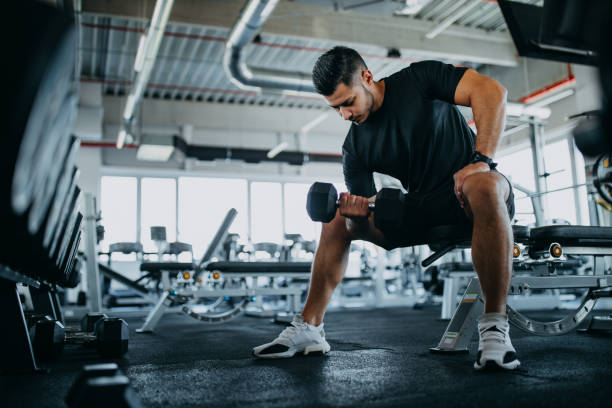
Fitness Has Become Way Too Complicated
Honestly, have you noticed how confusing the fitness world has become? You scroll through your phone and see someone doing a 45-minute circuit with equipment that looks like it belongs on a spaceship. Then the next post is a girl telling you not to lift weights because you’ll get “bulky.” It’s exhausting. The truth? Getting fit for wellness doesn’t require a master’s degree in kinesiology. It requires just a few simple, boring habits done consistently. If you’re looking for a shortcut, let me save you some time: there isn’t one. But if you’re looking to actually feel better, keep reading.
Stop Treating Movement Like a Chore
We’ve turned exercise into this thing we “have to do” to burn off what we ate. That mindset is exactly why most people quit. When you view exercise as punishment, your brain is wired to avoid it. I’ve found that the best way to stay fit for life is to find movement that doesn’t feel like a total drag.
Calisthenics is Basically Adult Playtime
I keep talking about calisthenics because, frankly, it’s the most natural way to get strong. You’re literally just learning to move your body through space. It’s not about how many plates you can stack on a bar. It’s about being able to pull yourself up, push yourself off the ground, and move with control. If you start small—I mean, really small, like one good pushup—you’ll be surprised at how fast your body adapts. It’s raw, it’s effective, and you can do it literally anywhere.
The “Yoga” Reality Check
Look, I get it. Some people think yoga is too “slow” or “soft.” But try holding a deep lunge for sixty seconds and tell me that again. It’s not just about flexibility; it’s about learning to breathe when things get uncomfortable. When you’re stressed out of your mind, that ability to regulate your breath is a superpower. It’s about keeping your joints from turning into cement as you get older. If you only do it once a week, it’s enough to keep the “rust” off.
The “Performance Portfolio” (Eating for Movement)
You cannot fuel a Ferrari with low-grade gas. If you’re training hard but eating trash, your body is going to fight you every step of the way.
Fueling Up
I don’t track macros anymore; I just look at my plate and try to get a mix.
Healthy Fats: I’m huge on avocado nutrition. It’s the one thing that keeps me from hitting that mid-afternoon slump.
The Antioxidant Boost: I don’t care about “superfoods” trends, but tossing a handful of blueberries or dragon fruit into a bowl is the easiest way to give your body a break from oxidative stress. It’s small, it’s cheap, and it makes a difference in how you feel after a workout.
Protein Matters: If you’re sore for five days after a workout, you’re probably just not eating enough protein to recover. It’s not complicated.
Handling the “I Don’t Feel Like It” Days

Let’s be real. There are days when I wake up and my stress and anxiety levels are peaking, and the thought of exercising makes me want to scream. This is where most people lose the battle.
The “Five-Minute Trick”
When you don’t want to move, don’t commit to an hour. Commit to five minutes. Just put your shoes on and move your body for five minutes. If you honestly, truly hate it after that, you can stop. But 99% of the time, once the blood gets flowing and the brain fog lifts, you’ll end up finishing the workout. The hardest part is truly just breaking the initial friction of being still.
Myths I Wish Would Go Away
“No Pain, No Gain”: This is how people get injured. If it hurts in a “sharp” way, stop. You’re supposed to feel tired, not broken.
“You have to work out every day”: No. Your body grows when you rest, not when you’re in the gym. Take your days off.
“Carbs are the enemy”: Carbs are fuel. If you’re doing any kind of physical activity, your brain and muscles want them.
Frequently Asked Questions (FAQ)
Q: What if I’m a complete beginner? Start with walking. Seriously. Don’t worry about gyms or gear. Just walk more than you did yesterday.
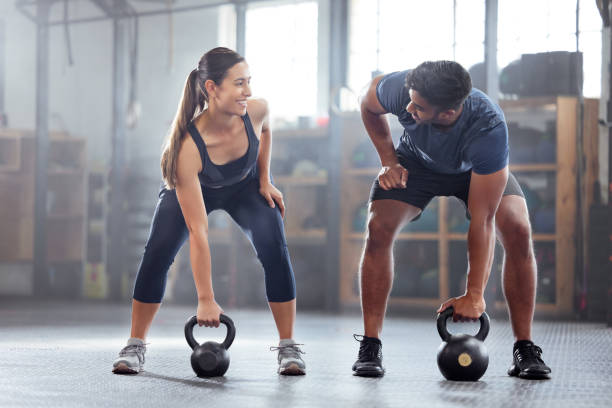
Q: Do I need a trainer? Not necessarily, but it helps to have someone show you the form once or twice so you don’t hurt yourself. After that, you’re good to go on your own.
Q: What is the most important thing for fitness? Consistency. Doing something small every single day is infinitely better than doing something “perfect” once a month.
Disclaimer
The information provided in this article is for educational and informational purposes only and is not intended as a substitute for professional medical advice, diagnosis, or treatment. Always seek the advice of your physician or other qualified health provider with any questions you may have regarding a medical condition or mental health concerns. Never disregard professional medical advice or delay in seeking it because of something you have read here. If you are experiencing a mental health crisis, please contact your local emergency services or a licensed mental health professional immediately.