






In our modern, high-pressure world, physical health is often viewed solely through the narrow lens of aesthetics—the pursuit of a specific body shape, weight, or external standard. However, the true, transformative power of consistent fitness and exercise lies in its ability to serve as the ultimate biological regulator for your mental health and emotional resilience. When you prioritize movement, you aren’t just training your muscles; you are optimizing your complex neurochemistry. This comprehensive master guide explores how to harness the power of movement to elevate your energy levels, sharpen your cognitive focus, and sustain your long-term mental wellness in an increasingly demanding world.
The Physiology of Movement
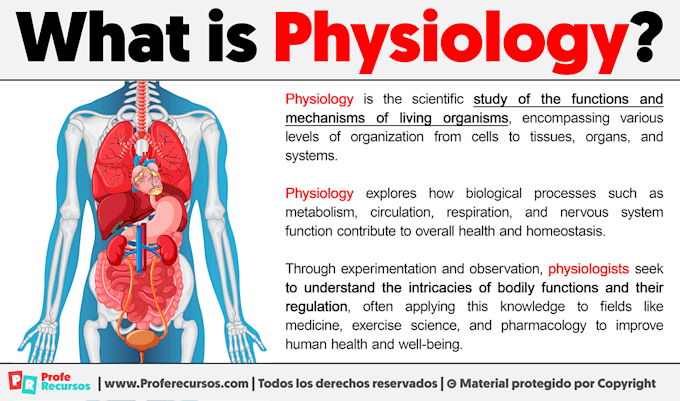
Fitness is far more than physical strength; it is the fundamental bridge between bodily function and cognitive health. To understand why exercise is a clinical-grade mental health necessity, we must look at how the body manages stress at a chemical level.
Nervous System Regulation and Vagal Tone
Your mental state is a mirror of your physiological state. When you are perpetually trapped in a “fight-or-flight” (sympathetic) mode due to chronic stress, your body suppresses executive function, leading to brain fog, anxiety, and emotional volatility. The goal of consistent fitness is not just to burn calories, but to improve your “vagal tone”—your body’s ability to recover quickly from stress. By prioritizing rhythmic, intentional movement, you release a cascade of neurochemicals, including endorphins, dopamine, and Brain-Derived Neurotrophic Factor (BDNF). BDNF acts as a “fertilizer” for the brain, supporting the growth of new neurons and acting as a natural stabilizer for your nervous system.
Practical Grounding Techniques for Athletes
To shift from a state of mental exhaustion or anxiety to a calm, focused state during exercise, grounding mindfulness exercises are your most effective tool. By consciously focusing on the sensory input of your body while you move, you physically interrupt the amygdala’s fear response.
The five senses mindfulness exercise: This is the gold standard for staying present during a workout. By forcing your brain to process external stimuli—such as the rhythmic cadence of your breath, the tactile feel of the ground beneath your feet, or the ambient sounds of your environment—you halt the internal loop of ruminating thoughts. This creates a “moving meditation” that prevents workout burnout and keeps your nervous system in a parasympathetic (rest-and-digest) state even during strenuous activity.
The Cognitive Toolkit for Energy
Maintaining high energy levels requires proactive physical hygiene. Just as you need consistent sleep to prevent cognitive decay, you must perform intentional, regular movement to prevent emotional stagnation and burnout.
Subconscious Mind Exercises for Habit Formation
Many of our self-sabotaging fitness behaviors—such as skipping workouts, giving up early, or viewing exercise as a form of self-punishment—are deeply rooted in the subconscious. Utilizing subconscious mind exercises allows you to reprogram these patterns. Practices such as visualizing your “future-self” (the version of you that is physically and mentally vibrant) or reframing your relationship with physical effort transform movement from a “chore” into an act of self-respect. Once a subconscious belief is realigned, it loses its power to control your sedentary habits, making consistency feel natural.
Evidence-Based Breathing
The breath is the only part of your autonomic nervous system that you can consciously control, even during high-intensity activity. Whether you are using a mindfulness breathing exercise pdf from a clinical source or practicing rhythmic box breathing, the objective is to lengthen your exhales. Longer exhales stimulate the vagus nerve, which tells your brain that it is safe to remain focused and calm rather than frantic. This simple adjustment ensures that you aren’t just training your heart, but you are also actively calming your mind.
Social & Group-Based Fitness

We are inherently social creatures, and our drive to stay fit is often heavily influenced by the quality and nature of our social connections.
The Power of Community
Isolation is the primary enemy of fitness consistency. Engaging in group mindfulness exercises or joining community-based fitness classes provides two critical, often overlooked, benefits: deep social connection and external accountability.
DBT Mindfulness Exercises for Groups: Dialectical Behavior Therapy (DBT) offers powerful frameworks for distress tolerance that can be perfectly applied to fitness. Even for those without formal clinical diagnoses, dbt mindfulness exercises for groups help you master the art of pushing through physical discomfort. This is a vital skill for building both physical strength and mental resilience.
Shared Practice: When you participate in group mindfulness exercises—such as a yoga session or a synchronized warm-up—the collective focus of the group can actually make it easier for you to enter a “flow state.” The shared social energy helps anchor your attention firmly on your fitness goals, making the difficult parts of training feel much more manageable.
Advanced Behavioral Frameworks for Fitness
To elevate your fitness journey to an expert level, you must integrate psychological frameworks that guide your daily movement and decision-making.
ACT (Acceptance and Commitment Therapy)
The core of a truly sustainable fitness journey is not about “feeling motivated” 24/7; it is about feeling committed to your values regardless of your mood. ACT mindfulness exercises teach you to accept difficult sensations—like fatigue, soreness, or a temporary lack of desire—as mere data points rather than valid reasons to stop. When you stop fighting your physical discomfort, you spend less energy suppressing it, which leaves you with significantly more mental bandwidth for your actual training.
Intentional Screen Time Management

Your digital environment is a direct extension of your fitness space. Expert-level wellness involves strict screen time management to protect your mental gains. This includes:
The Digital-Free Zone: Implementing a rule of absolutely no screens during your dedicated workout hours.
The Notification Audit: If a notification does not involve a human being you truly care about, it does not deserve to interrupt your training or your post-workout recovery.
Analog Intermissions: Schedule 15 minutes of “no-tech” time after your workout where you focus purely on physical observation and quiet recovery rather than digital consumption.
Extending Your Journey: Beyond the Gym
True wellness is a lifelong architecture. It is not just about the intensity of your exercise; it is about the intention behind it. As you move forward, remember that your body is a vessel for your mind. By treating your fitness routine as an extension of your mental health care, you transform every session into a step toward a more balanced, resilient, and empowered version of yourself. Consistency, coupled with the tools provided here—from breathing techniques to cognitive reframing—will allow you to transcend mere physical goals and achieve a state of holistic vitality.
Integrating Your Practice
To solidify these changes, consider documenting your progress not just in physical metrics, but in mental ones. How do you feel before, during, and after? Do you notice your anxiety levels dropping? Do you find your focus improving? By treating your mental health as the primary metric of your fitness, you ensure that you remain motivated long after the initial novelty of a new routine fades. The intersection of body and mind is where true, lasting health resides—and with these expert strategies, you are now fully equipped to explore it.
Frequently Asked Questions (The Master Expert Edition)
Q1: What is the most effective way to start a fitness routine if I am mentally drained?
A: Start with consistency over intensity. The five senses mindfulness exercise is the best starting point because it is portable, requires no equipment, and provides immediate physiological feedback to your brain that you are doing something beneficial.
Q2: How do I know if I’m exercising for health or just avoiding negative emotions?
A: True fitness enables you to meet your responsibilities with more energy. If your “fitness” (like excessive over-training) leaves you feeling constantly drained or guilty, it’s not health—it’s avoidance.
Q3: Where can I find reliable instructions for breathing during exercise?
A: I recommend looking for a professionally curated mindfulness breathing exercise pdf. These documents contain specific, rhythmic timings that are scientifically verified for both cardiovascular health and stress reduction.
Q4: Can I practice DBT exercises if I’m not in a formal training program?
A: Yes, many dbt mindfulness exercises for groups are available in public wellness resources and are excellent for building “distress tolerance,” which is essential when you hit a fitness plateau.
Q5: What are the best subconscious mind exercises to improve workout consistency?
A: Visualization and “Identity-Based Affirmations” are excellent subconscious mind exercises. By defining yourself as an active person rather than someone “trying” to work out, you rewire your brain to choose movement naturally.
Q6: Why are ACT mindfulness exercises better than just “willpower”?
A: Willpower is a limited, exhaustible resource. ACT mindfulness exercises are about acceptance and value-alignment. When you accept the effort as part of your identity, you don’t waste energy negotiating with yourself. This is the foundation of genuine resilience.
Q7: How can group mindfulness exercises help with gym anxiety?
A: They provide a low-stakes environment to practice presence. By sharing the physical experience with others, you realize that your internal struggles are often universal, which significantly reduces the shame associated with starting a new fitness journey.