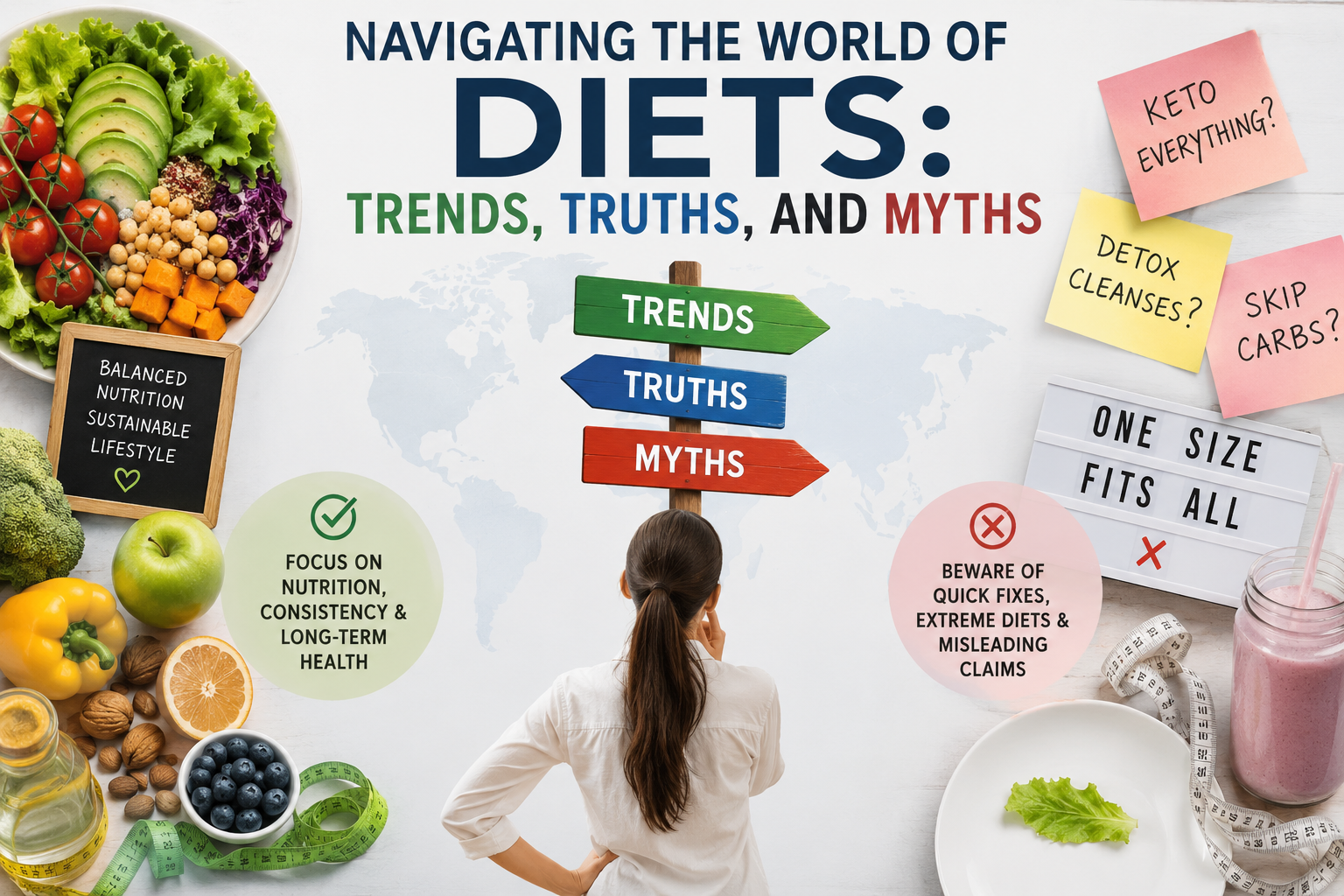
The Dieting Maze – Why Choosing One is So Hard
Honestly, the whole “dieting” world in the US has become a complete circus. You wake up, and suddenly everyone is obsessed with a new, restrictive plan that promises to change your life in 30 days. But let’s be real for a second: most of these plans are just setting us up to fail. We keep jumping from one trend to the next, hoping for a magic pill, when the truth is much simpler—and a lot less “marketable.”
Why Most Diets Are Actually Just “Temporary Punishments”
If you look at the fine print of most trending diets, they’re just fancy ways of telling you to stop eating. That isn’t a strategy; it’s a temporary punishment. If you can’t see yourself eating a certain way two years from now, don’t even bother starting. I’ve seen too many people burn out because they tried to force a lifestyle that just wasn’t meant for them.
Decoding the Hype – Popular Trends Under the Microscope
The Keto Reality Check
People act like Keto is the holy grail. Sure, shifting into ketosis can help with quick weight loss, but it’s a nightmare for anyone who actually likes moving their body. If you’re into calisthenics or any real physical training, you need carbs. Going zero-carb might make you look “lean” for a photo, but you’ll feel like a zombie in the gym.
The Plant-Based “Junk Food” Trap
I see this all the time: people go vegan and think they’re suddenly bulletproof. But listen, eating a bag of vegan cookies is still eating junk. You can be plant-based and still be unhealthy. The real win isn’t just “cutting out meat”—it’s flooding your body with actual avocados, nuts, and whole foods that do the heavy lifting for your heart.
The Only Science That Actually Matters
Stop Obsessing Over Macros, Start Obsessing Over Quality
We’re all so obsessed with counting every single calorie, but we ignore where those calories come from. Your body doesn’t treat a calorie from a processed protein bar the same way it treats a calorie from real food. It’s about inflammation. If your food causes internal inflammation, it doesn’t matter how few calories you ate—you’re still damaging your health in the long run.
Build Your “Nutritional Portfolio”
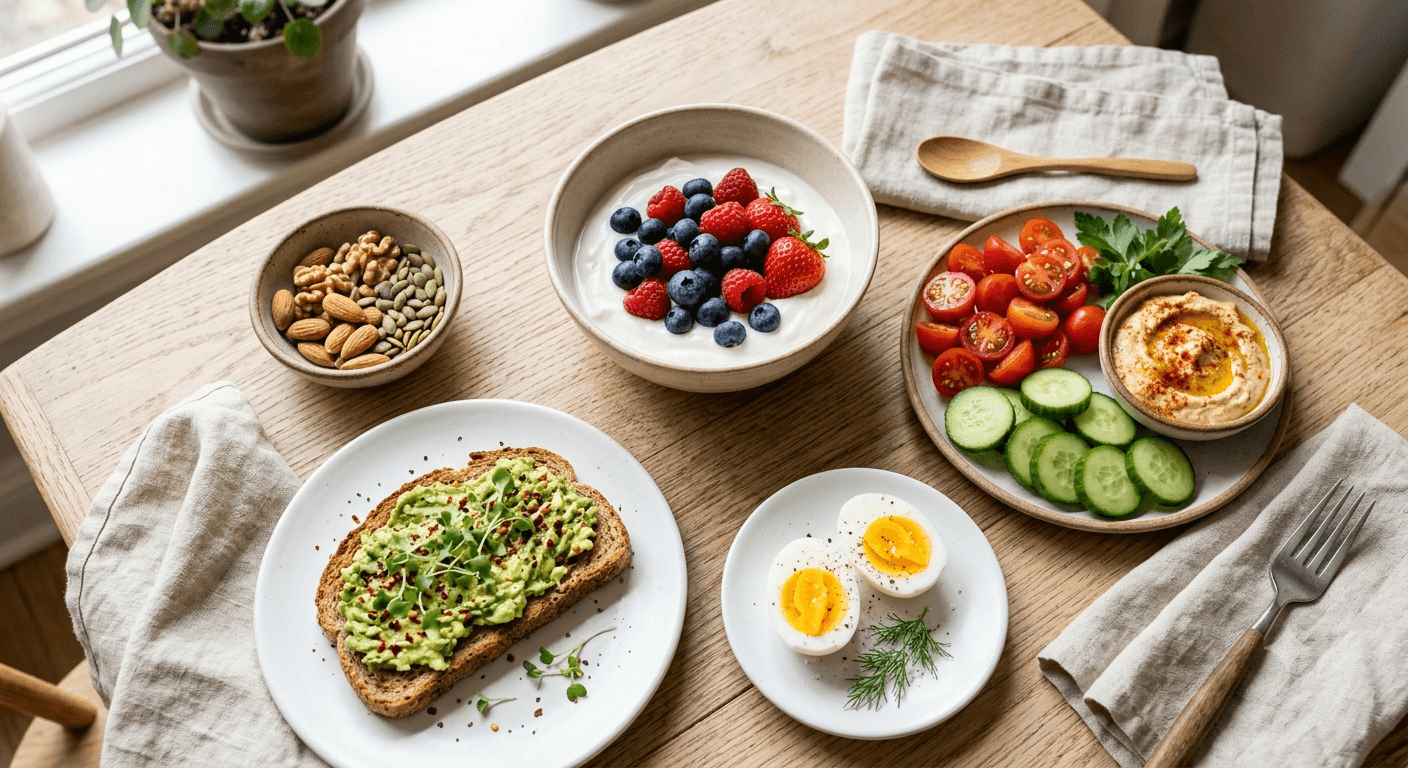
Think of your diet like a stock portfolio. You don’t want all your money in one failing stock, right? Same goes for food. You need a mix: healthy fats (like avocado), antioxidants (like cherries), and high-quality protein. Whether you do yoga or just want to stay sharp for work, variety is your insurance policy against aging.
The Myths We Need to Stop Believing
Myth: “Supplements Are Just as Good as Real Food”
Let’s squash this one right now: no pill or powder is going to fix a trash diet. Supplements are exactly what the name implies—they add to a solid foundation. They are the icing on the cake, but if the cake itself is made of garbage, the icing isn’t helping anyone.
Myth: “Weight Loss Equals Health”
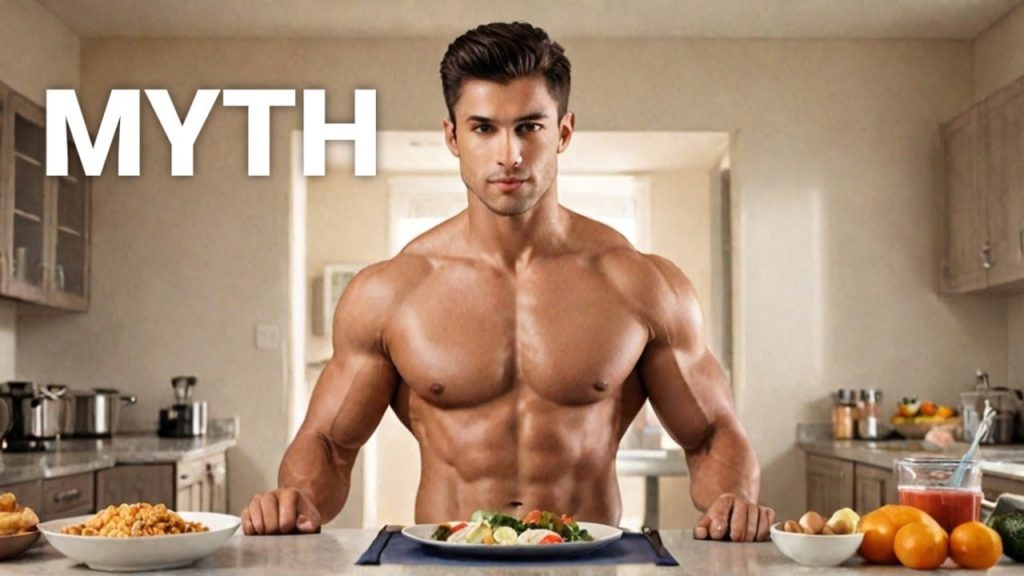
This is the biggest lie out there. You can lose weight by starving yourself, but that doesn’t mean you’re healthy. You’re just losing muscle mass and stressing your body out. Real health is about feeling strong, having clear skin, and not having your energy crash at 3 PM.
The Hidden Truth – Stress and Your Appetite
Ever notice how you crave the worst possible food when you’re stressed? That’s not a lack of willpower; that’s your cortisol talking.
Why You Binge When You’re Stressed
When your stress and anxiety levels spike, your body is literally screaming for fast energy. If you’ve spent the whole week being “too strict” on your diet, your body is going to force you to binge on the first thing it sees. The fix? Stop being so rigid. If you eat a little more balanced during the day, you won’t lose your mind at night.
How to Actually Build a Sustainable Roadmap
So, what’s the move? Keep it stupidly simple.
Three Rules for Long-Term Success
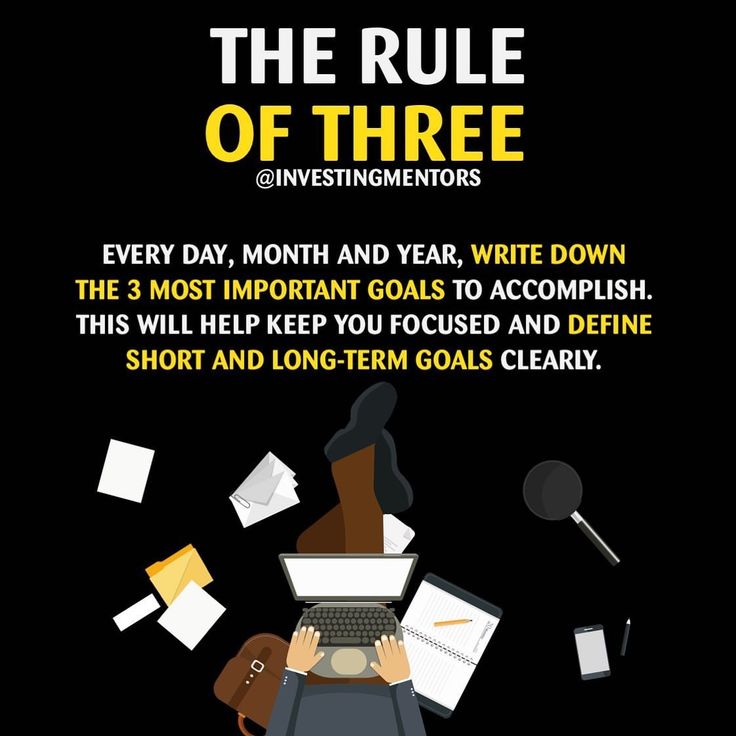
If you can’t pronounce it, don’t eat it: If an ingredient label looks like a science experiment, put it back.
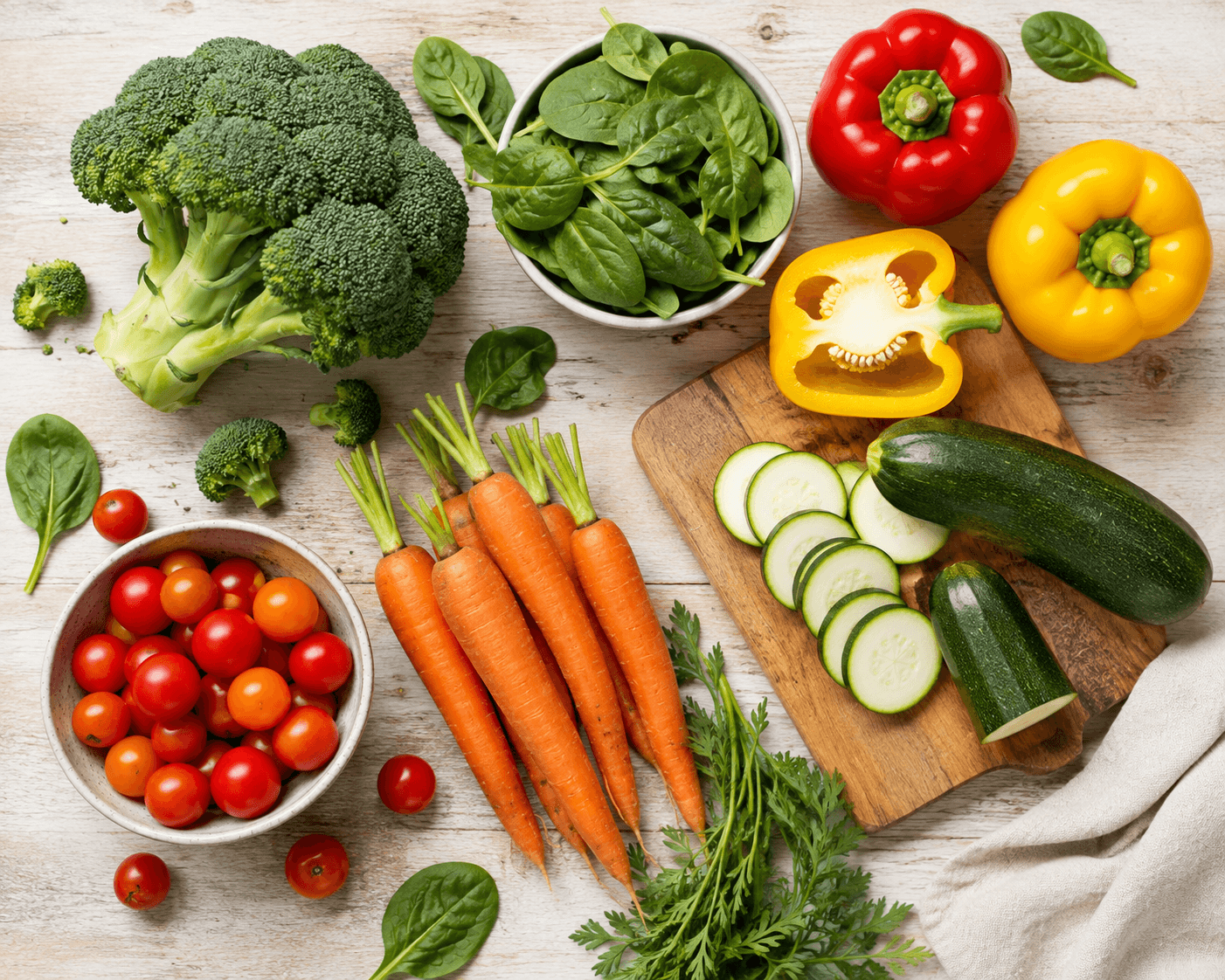
Color the plate: If your dinner is just beige and brown, you’re missing out on the good stuff. Get some color in there.
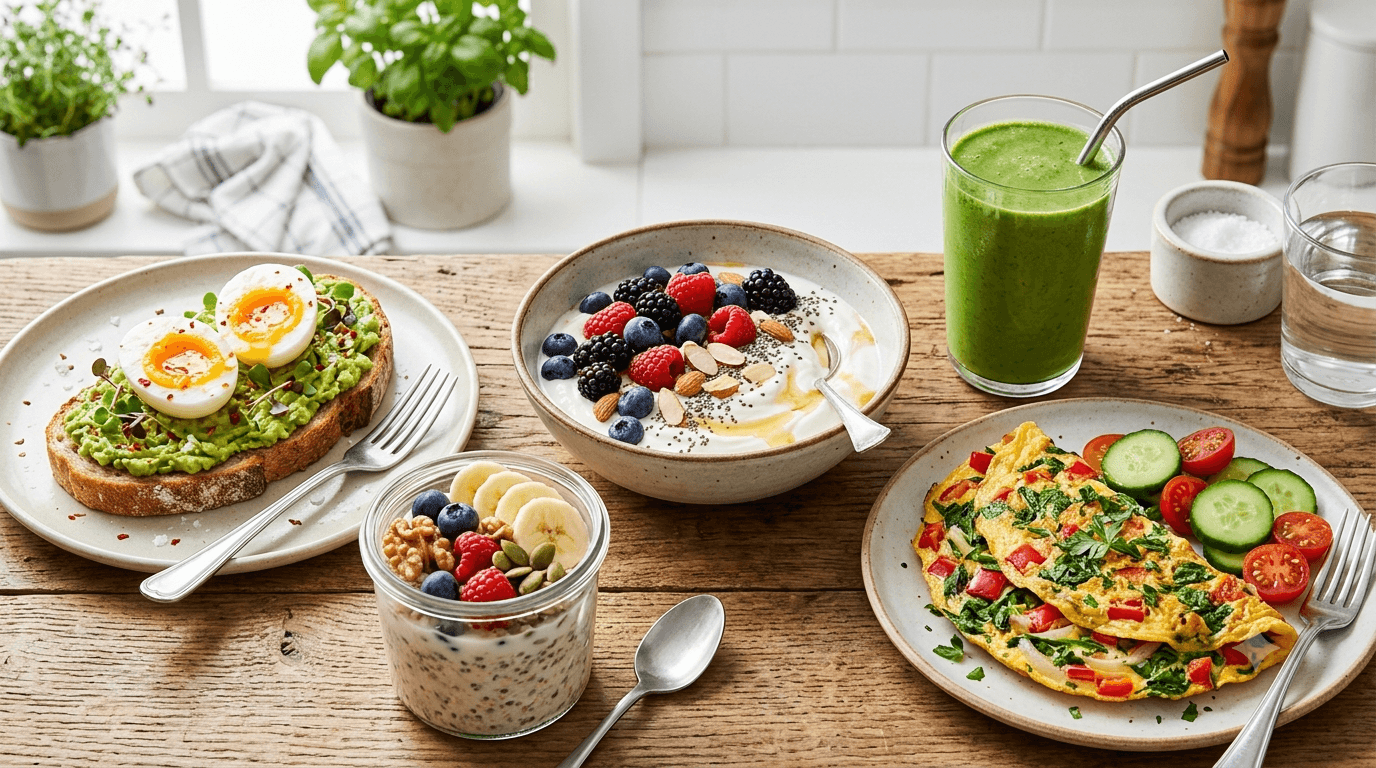
Stop the cycle: Don’t start a “diet” on Monday. Just start eating better today. It’s not about perfection; it’s about just doing it a little better than you did yesterday.
Frequently Asked Questions (FAQ)
Is there one perfect diet for everyone?
Nope. Anyone who tells you there is one “best” diet is trying to sell you something. Your body is unique, so treat it like one.
What do I do when I fall off the wagon?
Just get back on the next meal. Don’t turn one bad meal into a bad weekend, and definitely don’t turn it into a bad month.
How do I know if a diet is a scam?
If it asks you to cut out an entire food group, buy their specific powders, or promises results in “7 days,” run the other way.
Disclaimer
This guide is for informational and educational purposes only. I am sharing insights based on general nutritional research, not medical advice. Nutrition is highly individual—what works for one person might not work for another due to underlying health conditions, genetics, or activity levels. Always consult with a registered dietitian, nutritionist, or your primary care physician before making any significant changes to your diet, starting a new fitness regimen, or beginning any supplement routine. If you are experiencing signs of an eating disorder, please reach out to a healthcare professional immediately.