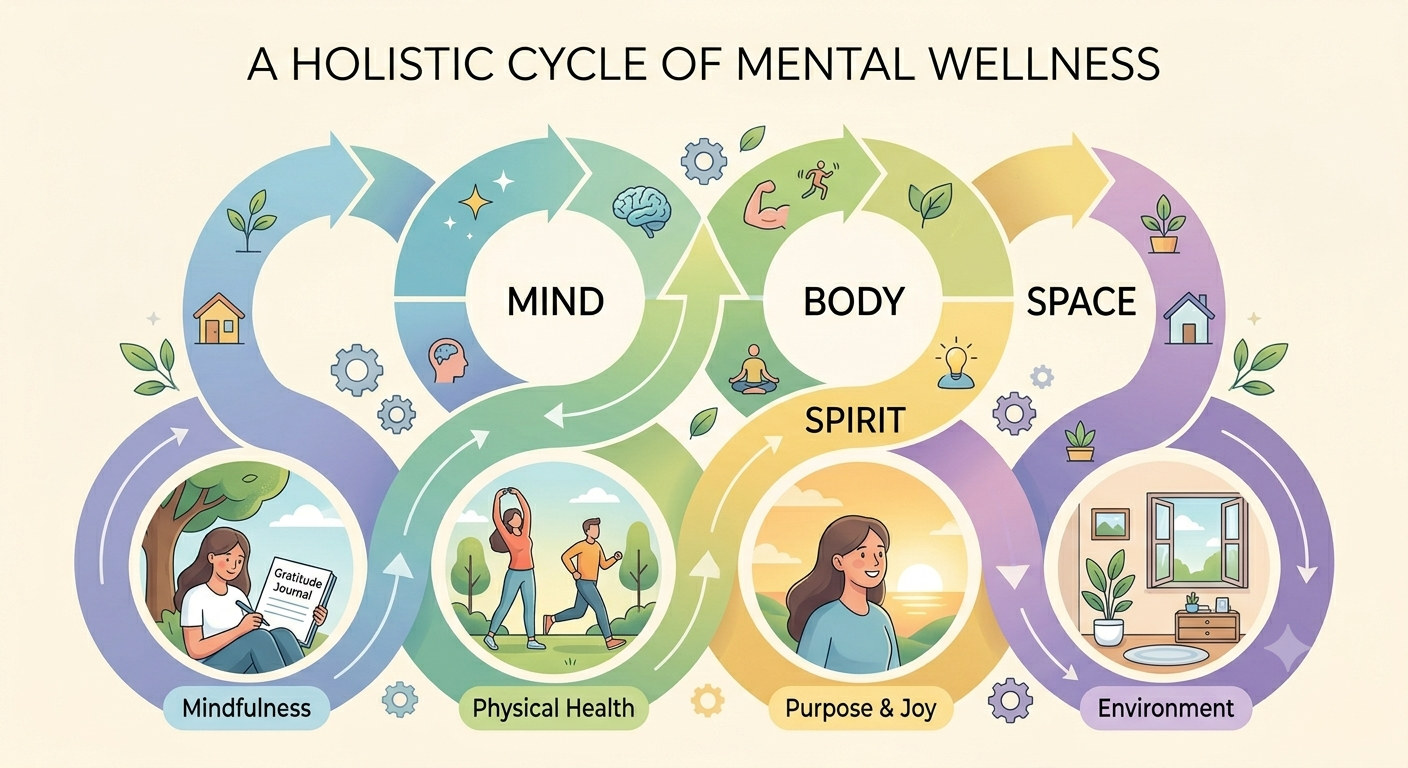






The “Brain Loop” is Real—And It’s Exhausting
We’ve all been there: It’s 2 AM, the house is quiet, but your brain is screaming at you. You’re replaying a conversation from three years ago, or you’re obsessing over a mistake you haven’t even made yet. This isn’t just “being a thinker”; this is a physiological state. Your brain is stuck in a loop, and it’s sending your body into a constant state of “fight-or-flight.”
When your nervous system is trapped in this state, you aren’t just mentally tired—you’re physically depleted. Holistic healing isn’t about ignoring these thoughts; it’s about changing how your nervous system responds to them.
Understanding the Physiology of Overthinking
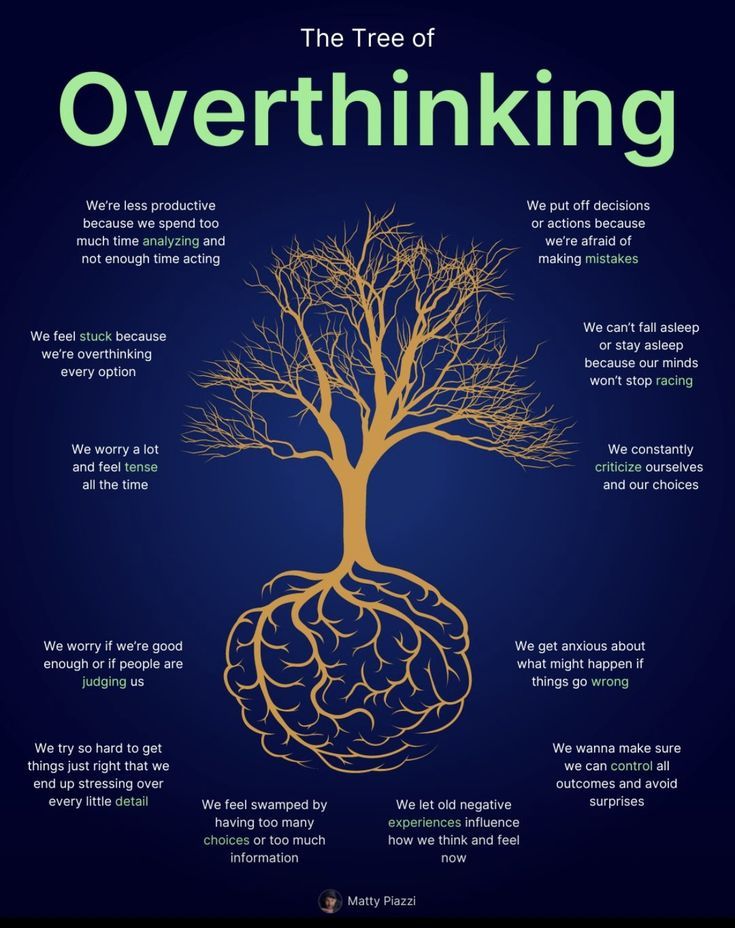
Overthinking is essentially your brain trying to “solve” a problem that doesn’t exist. When you obsess, you increase cortisol production. High cortisol leads to inflammation, which—you guessed it—leads to more anxiety. It’s a vicious cycle.
To break it, we need to move from the Sympathetic Nervous System (the “go” mode) to the Parasympathetic Nervous System (the “rest and digest” mode). Mindfulness is the bridge between these two.
The Toolkit: Practical Exercises for Immediate Calm
H3: 1. The 5-4-3-2-1 Sensory Grounding Technique
When the spiral starts, your brain is living in the future or the past. Use this to pull it back:
- See (5 things): Look around. Identify small details—a crack in the wall, the texture of your rug.
- Touch (4 things): Focus on the weight of your body in the chair, the cool surface of a table, the fabric of your clothes.
- Hear (3 things): Listen past the silence. The hum of a computer, traffic in the distance, your own breath.
- Smell (2 things): If there’s no scent, move to a different room or smell your sleeve.
- Taste (1 thing): Is there a lingering taste of coffee? Just pay attention to your tongue.Why it works: You cannot be in a state of high anxiety while your brain is focused on processing sensory data. It forces a “hard reset.”
H3: 2. The “Brain Dump” Method
Overthinking often happens because your brain is afraid it will “forget” something important.
- The Practice: Every evening, write down everything you are worried about. Don’t censor it. Once it’s on paper, your brain feels “safe” enough to let it go because it’s no longer stored in your working memory.
The Movement-Mindfulness Connection

We’ve discussed calisthenics and yoga as fitness tools, but let’s look at them as mental tools.
H3: Yoga as a Nervous System Regulator
In yoga, when you hold a challenging pose, your brain wants to panic. The muscle burns, your heart rate climbs, and your mind wants to quit. By staying in the pose and focusing on a slow, rhythmic breath, you are effectively teaching your nervous system to stay calm under pressure. You’re practicing resilience in a safe environment so you can use it when life actually gets difficult.
H3: Calisthenics: Forced Presence
It is impossible to overthink while you’re trying to balance in a handstand or focus on your form during a pull-up. This is “active mindfulness.” By pushing your physical limits, you exhaust the mental energy that usually goes toward worrying.
The Foundation: Nutritional Resilience
If your gut is inflamed, your mind cannot be calm. It is a biological fact.
- Avocado Nutrition: Your brain is made of fat. Without healthy fats like monounsaturated fats from avocados, your cognitive function lags, leading to irritability and anxiety.
- Antioxidant Power: Incorporate blueberries, grapes, and guava. These fruits act as cellular cleanup agents. When your body is fighting less internal inflammation, you have more mental bandwidth to handle daily stress and anxiety.
Daily Habits for the “Overthinker”
- The “Mindful Minute”: Set a timer for 60 seconds. Close your eyes. Follow your breath. When your mind drifts (and it will), just label it: “thinking.” Then go back to the breath. No judgment.
- The No-Phone Morning: Don’t check emails before you’ve moved your body. Giving your first hour of the day to external stressors is a recipe for anxiety.
- Labeling: When a worried thought arises, say out loud, “I am having the thought that X is going to happen.” It separates you from the thought.
Frequently Asked Questions (FAQ)
Q: Can mindfulness really stop a panic attack? It is a tool for the pre-panic stage. If you are in a full-blown attack, focus on cold water on your face or intense physical grounding to snap your brain out of it.
Q: I have no time—what is the minimum I can do? Even 3 minutes of mindful breathing in the morning will change your baseline for the day. Consistency is the secret sauce.
Q: Is it “bad” that my mind wanders during meditation? Absolutely not. The “wandering” is the exercise. The moment you realize your mind has wandered and you bring it back—that is the “bicep curl” for your brain.
Q: How does diet specifically affect my anxiety? Processed sugars cause blood sugar spikes and crashes. When your blood sugar crashes, your body releases adrenaline, which feels exactly like anxiety. Stable blood sugar = stable mood.
Q: When should I seek help from a therapist? If your overthinking is keeping you from sleeping, eating, or performing at work, it’s not just a “mindfulness” issue anymore. It’s time to bring in a professional.
Disclaimer
The information provided in this article is for educational and informational purposes only and is not intended as a substitute for professional medical advice, diagnosis, or treatment. Always seek the advice of your physician or other qualified health provider with any questions you may have regarding a medical condition or mental health concerns. Never disregard professional medical advice or delay in seeking it because of something you have read here. If you are experiencing a mental health crisis, please contact your local emergency services or a licensed mental health professional immediately.