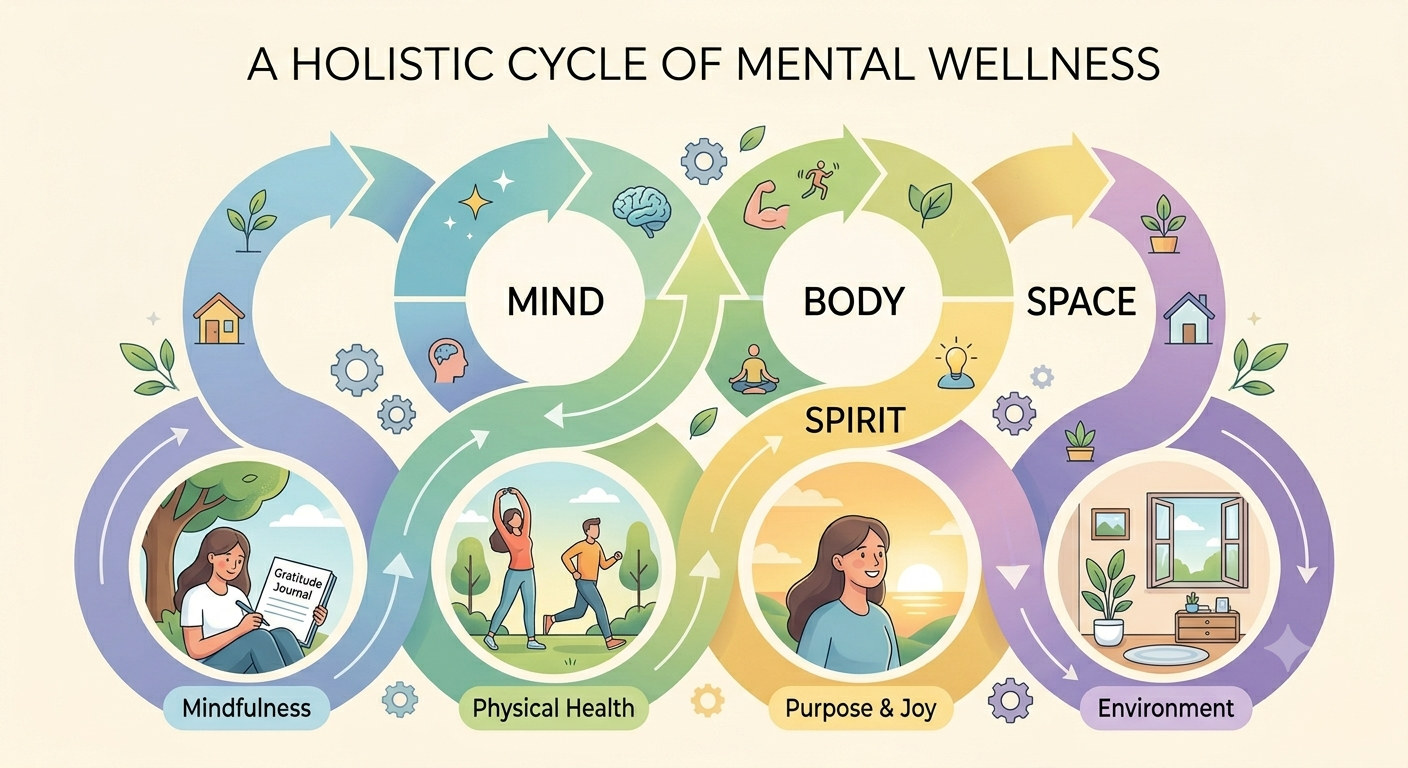
Let’s Reclaim the Word “Self-Care”
Somewhere along the line, “self-care” became synonymous with bubble baths and expensive face masks. While those are nice, they aren’t the things that keep you from burning out when life gets loud. Real self-care isn’t just about pampering; it’s about setting boundaries, managing your energy, and being smart about your mental inputs. If you’re struggling with stress and anxiety, you need strategies that work in the trenches of daily life, not just on a Sunday afternoon.
The “Performance Portfolio” for Your Mind
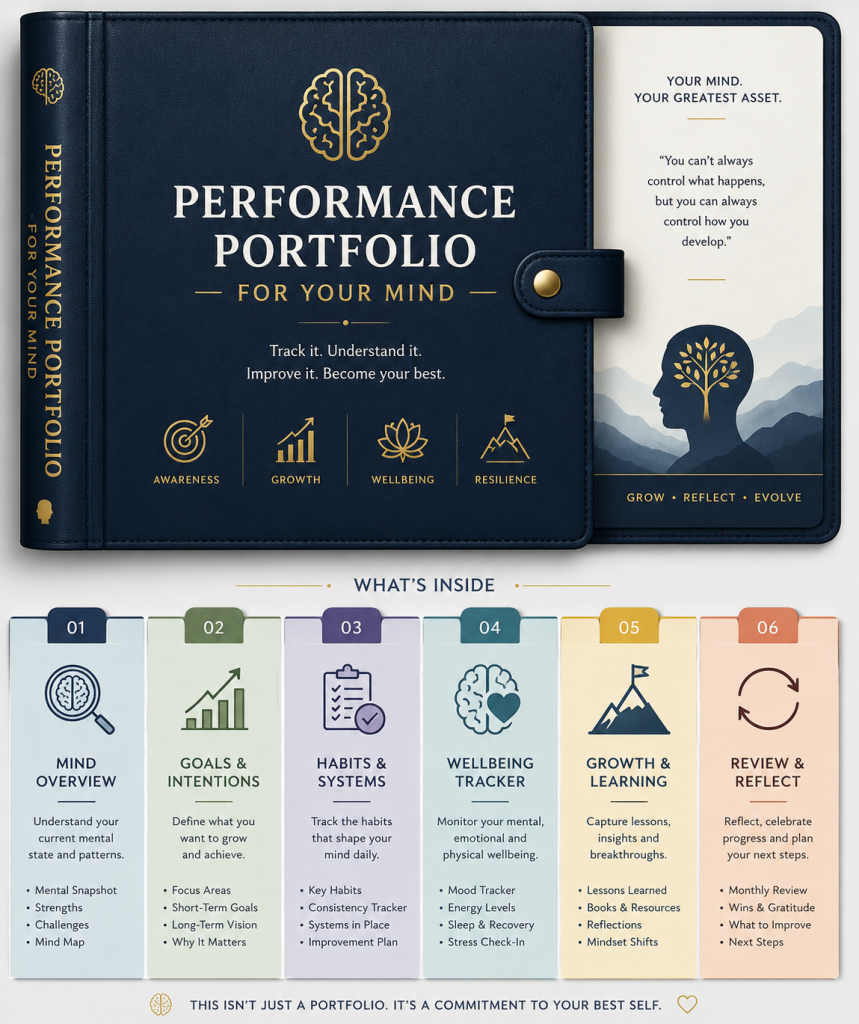
We talked before about fueling your body, but you need to fuel your brain with the right habits too. Think of your mental wellness like a portfolio—you need diversification.
The Power of Intentional Disconnect
We are overstimulated 24/7. Your brain wasn’t built to process 500 emails and social media alerts before breakfast.
The Strategy: Set a “Digital Sunset.” No screens 60 minutes before bed. I’ve found that even if I just spend that hour reading or doing some light stretching, my sleep quality goes through the roof.
The Expert Tip: Use this time to incorporate some yoga. Even 15 minutes of slow movement helps signal to your body that it’s time to shift from “fight-or-flight” mode into “rest-and-digest.”
Calisthenics as a Mental Reset
If you’re stuck in a mental rut, move. You don’t need a heavy gym session. Simple calisthenics—like a few push-ups or a deep squat flow—can change your brain chemistry in minutes. Movement is the fastest way to break a cycle of rumination. When you’re focused on your form, you can’t focus on your worries.
Fueling Your Emotional Resilience
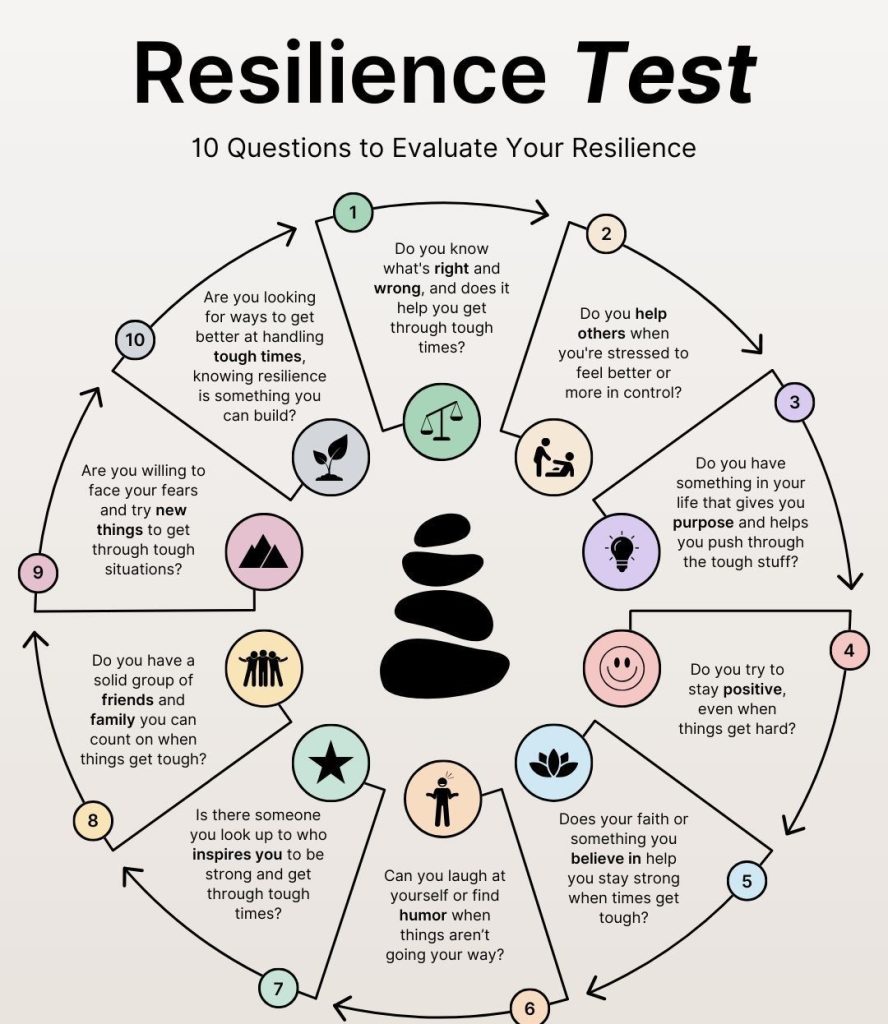
It sounds like a broken record, but you cannot separate your gut from your brain. If you’re living on sugar and caffeine, you’re just begging for an anxiety spike.
Brain-Boosting Nutrition
Avocado nutrition: It’s my go-to for steady brain energy. Healthy fats are non-negotiable if you want to avoid that 3 PM brain fog.
Antioxidant Power: I’m a huge believer in getting your colors in. A handful of blueberries or some dragon fruit provides the kind of cellular support that keeps your head clear and your mood steady. Don’t overthink it—just get the nutrients in.
Setting Boundaries (The Hardest Part of Self-Care)
If you’re the person who says “yes” to everything, you’re going to be the person who burns out. Boundary-setting is the highest form of self-care.
The “Maybe” Rule: You don’t have to say “yes” instantly. If someone asks for your time, say, “Let me check my schedule and get back to you.” This buys you space to decide if you actually have the energy.
Protect Your Morning: If you give your first hour to your phone, you’ve already given your day away. Keep it for you.
What to Do When You Feel Like You’re Slipping
Everyone has days where the stress and anxiety feel like they’re winning. That’s not a failure; it’s just part of being human.
Check the basics: Did you sleep? Did you eat anything other than coffee? Did you move?
Lower the bar: If you’re overwhelmed, don’t try to be a hero. Just aim for “functional.” A 10-minute walk is a massive win when you’re struggling.
Frequently Asked Questions (FAQ)
Q: Is self-care selfish? Not at all. You can’t pour from an empty cup. Taking care of your mental wellness is the only way you can be effective for the people you love.
Q: Why does it feel so hard to start? Because we try to change everythingat once. Pick one thing—like the “No-Phone” rule—and stick to it for a week before adding anything else.
Q: When should I seek professional help? If your low moods are preventing you from living your life, or if the “fog” doesn’t lift after a few days of good habits, it’s time to talk to someone. There’s no shame in having a coach or a therapist in your corner.
Disclaimer
The information provided in this article is for educational and informational purposes only and is not intended as a substitute for professional medical advice, diagnosis, or treatment. Always seek the advice of your physician or other qualified health provider with any questions you may have regarding a medical condition or mental health concerns. Never disregard professional medical advice or delay in seeking it because of something you have read here. If you are experiencing a mental health crisis, please contact your local emergency services or a licensed mental health professional immediately.