Introduction
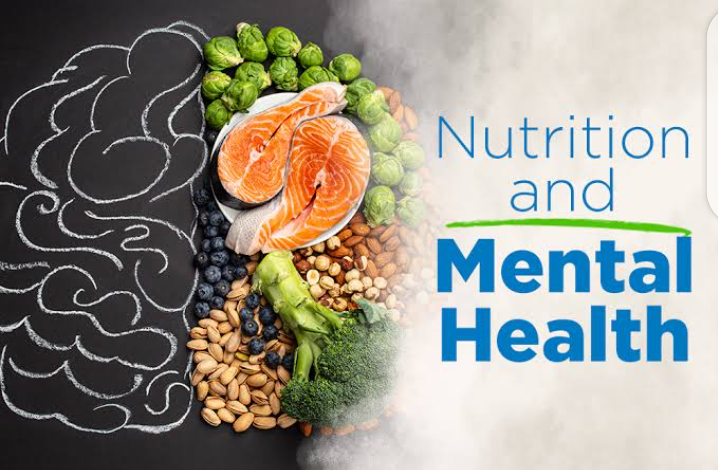
We’ve spent too long looking at nutrition and mental health as nothing more than a way to manage our waistline. But in reality, the intersection of nutrition and mental health is the primary way you communicate with your brain. Every bite of food you take carries chemical information that dictates your mood, focus, and emotional resilience. If you are struggling with stress and anxiety, looking at your nutrition and mental health habits is the first step toward recovery.
The Gut-Brain Axis: How Nutrition and Mental Health are Connected
You’ve probably heard of the “gut-brain axis.” It’s the physical connection between your digestive tract and your brain. If your gut is inflamed, your brain is inflamed. Prioritizing nutrition and mental health means choosing foods that keep your gut happy to prevent brain fog and emotional burnout.Understanding the gut-brain connection is essential because it explains how your stomach health directly impacts your mood and cognitive function.
Building Your Resilience Portfolio
Resilience isn’t built overnight. It’s built by consistently choosing high-quality inputs over empty calories.
Healthy Fats are Non-Negotiable: I’m a huge advocate for avocado nutrition. Your brain is largely made of fat; if you aren’t feeding it the right kind, it can’t function optimally. These fats stabilize your blood sugar, which stops those 3 PM mood swings that make the daily grind feel impossible.
The Antioxidant Defense: High levels of stress deplete your body’s natural defenses. This is where blueberries and dragon fruit come in. They aren’t just sweet snacks; they are packed with phytonutrients that help neutralize the oxidative stress caused by daily life. Think of them as your daily “cleanup crew” for your cells.Adopting a balanced diet and mental resilience practice is the best way to support your brain health in the long run.
Healthy Fats: I advocate for avocado nutrition because your brain is largely made of fat. Feeding it the right kind prevents mood swings.
Antioxidant Defense: Blueberries and dragon fruit act as a “cleanup crew” for your cells, neutralizing oxidative stress caused by daily life
Movement: The Partner to Nutrition and Mental Health

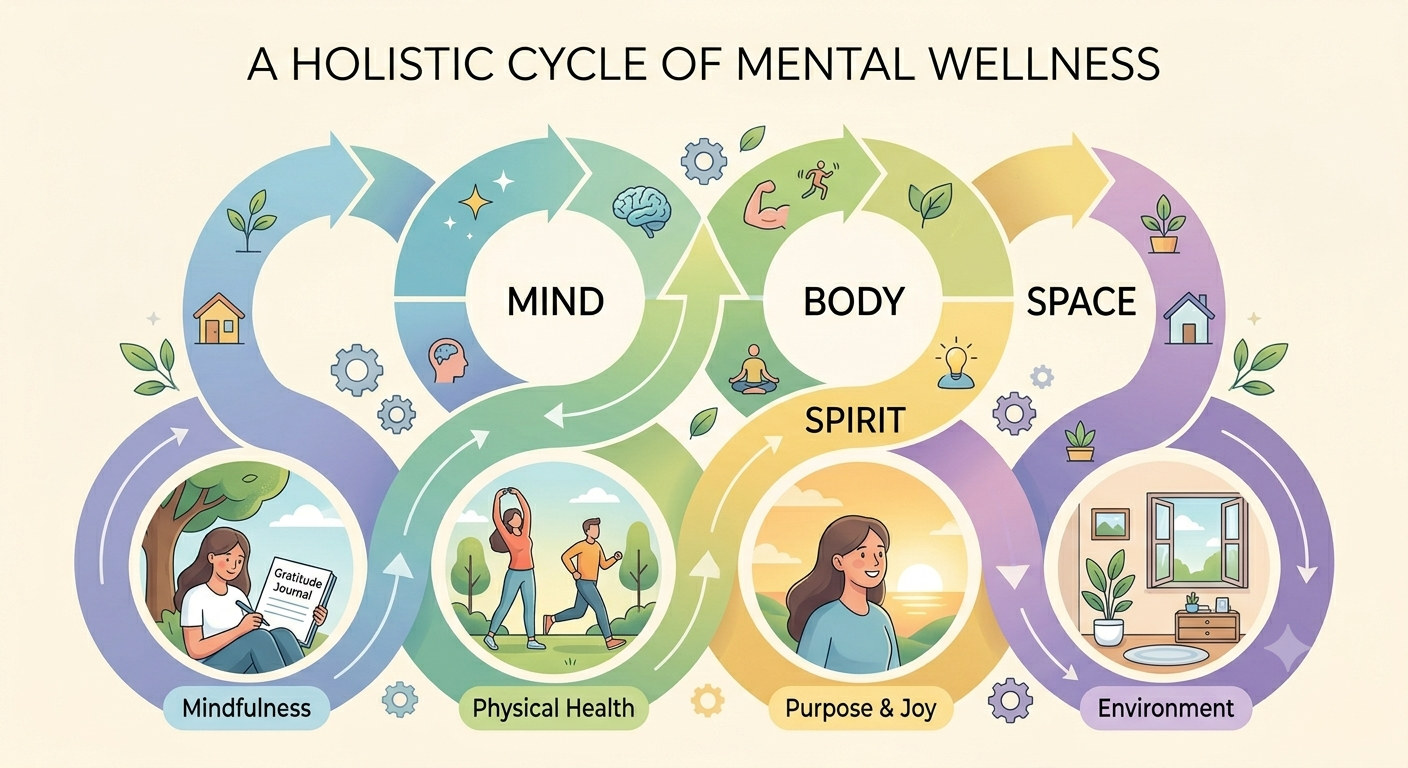
You can eat a perfect diet, but if you’re sedentary, you’re missing the other half of the equation. Mental resilience requires an active body.You can eat a perfect diet, but mental resilience requires an active body. I combine calisthenics for focus and yoga for a nervous system reset. It’s the perfect way to teach your body to be strong under tension and calm under pressure.
Why I Combine Calisthenics and Yoga
When I’m feeling mentally overwhelmed, I don’t look for a “quick fix.” I look for movement that forces me to be present. Calisthenics is perfect for this because it requires focus—you can’t daydream while mastering a movement. Follow that up with some yoga, and you have the perfect recipe for a nervous system reset. It’s about teaching your body to be strong under tension and calm under pressure
Practical Tips for Nutrition and Mental Health Resilience
Building emotional strength doesn’t require a total life overhaul. It starts with small, non-negotiable habits.
Stop the “Hidden Hunger”: Most of us eat because we’re stressed, not hungry. Before you reach for a snack, drink a glass of water and pause for two minutes. Ask yourself: “Am I hungry, or am I just overwhelmed?“
Focus on Whole Foods: If it comes in a box with an ingredient list longer than a paragraph, your brain doesn’t know how to process it. Stick to things that look like they came from the earth.
Stay Consistent: Resilience is about the 90% of the time you eat well, not the 10% of the time you have a “fun” meal. Don’t beat yourself up over a treat; just get back to the foundation at your next meal
Frequently Asked Questions (FAQ)
Q: Can changing my diet really change my mood? Absolutely. Stabilizing your blood sugar and reducing gut inflammation has a direct, observable impact on how you handle life’s challenges.
Q: Is emotional resilience something I can train? Yes. Just like a muscle, resilience grows when you practice mindfulness, consistent movement, and proper nourishment.
Q: I have no time to cook healthy—what do I do? Keep it simple. You don’t need to be a chef. Keep avocados, berries, and raw nuts on hand. You can build a resilience-boosting meal in under five minutes.
Disclaimer
The information provided in this article is for educational and informational purposes only and is not intended as a substitute for professional medical advice, diagnosis, or treatment. Always seek the advice of your physician or other qualified health provider with any questions you may have regarding a medical condition or mental health concerns. Never disregard professional medical advice or delay in seeking it because of something you have read here. If you are experiencing a mental health crisis, please contact your local emergency services or a licensed mental health professional immediately.