
If you’ve ever tried to lose weight, you already know the struggle: constant hunger, low energy, and the frustrating cycle of losing a few pounds only to gain them back. The good news is that one simple dietary shift can change everything — eating more high protein foods.
Protein isn’t just for bodybuilders. It’s one of the most powerful tools for anyone trying to shed fat, preserve lean muscle, and stay full longer without constantly thinking about food. Research consistently shows that a higher-protein diet increases satiety, reduces overall calorie intake, and supports a healthy metabolism during weight loss.
In this guide, we’ll break down exactly why protein matters for fat loss, how much you actually need, and — most importantly — the 20 best high protein foods you can start eating today. Whether you’re a meat-eater, vegetarian, or vegan, you’ll find options that fit your lifestyle.
Why Protein Is Essential for Weight Loss
Before jumping into the food list, it helps to understand why protein-rich foods are so effective for fat loss.
1. Protein Keeps You Fuller for Longer
Protein has a higher satiety value than carbs or fat. It slows digestion and triggers hormones like GLP-1 and peptide YY, which signal fullness to your brain. This means fewer cravings and less mindless snacking.
2. It Boosts Your Metabolism
Your body burns more calories digesting protein than it does digesting fats or carbohydrates. This effect is known as the thermic effect of food (TEF), and it can increase your daily calorie burn simply by shifting your macronutrient balance.
3. It Preserves Lean Muscle Mass
When you’re in a calorie deficit, your body can break down muscle for energy if protein intake is too low. Adequate protein protects muscle tissue, which keeps your metabolism higher and your body composition leaner.
4. It Reduces Cravings and Late-Night Snacking
Diets high in lean protein sources have been shown to reduce obsessive food thoughts and the desire to snack late at night — two major obstacles to sustainable weight loss.
How Much Protein Do You Need for Weight Loss?
Protein requirements vary based on body weight, activity level, and goals, but general guidelines suggest:
- Sedentary adults: 0.8–1.0 grams per kg of body weight
- Active individuals trying to lose fat: 1.2–1.6 grams per kg of body weight
- Strength training + fat loss: up to 2.0 grams per kg of body weight
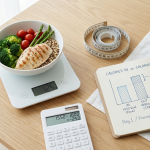
For example, a 70 kg (154 lb) person aiming to lose weight while preserving muscle might target 84–140 grams of protein per day, spread across 3–4 meals.
The 20 Best High Protein Foods for Weight Loss
Here is a detailed list of nutrient-dense, protein-rich foods to include in your weight loss diet.
Animal-Based High Protein Foods
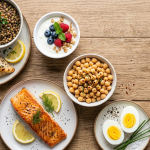
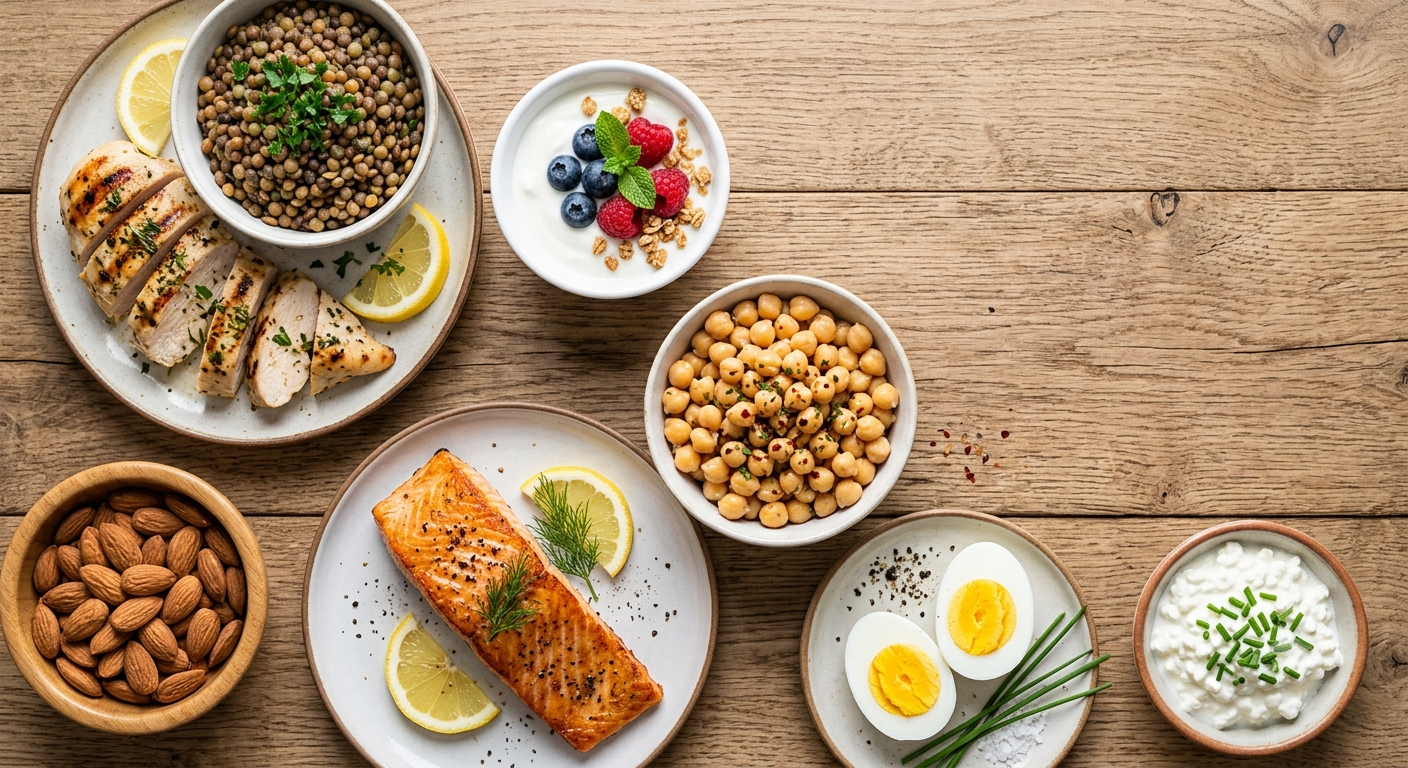
1. Chicken Breast One of the leanest protein sources available, chicken breast delivers about 31g of protein per 100g with minimal fat, making it a staple in nearly every fat-loss meal plan.
2. Eggs A whole egg contains roughly 6g of protein along with essential amino acids, healthy fats, and choline. Eggs are also one of the most affordable high-quality protein sources.
3. Greek Yogurt Packed with 10g of protein per 100g, Greek yogurt also supports gut health thanks to probiotics, and works well as a snack or breakfast base.
4. Cottage Cheese With around 11g of protein per 100g and a low calorie count, cottage cheese is ideal for a high-protein, low-calorie diet.
5. Turkey Breast Similar to chicken, turkey breast is lean, versatile, and rich in protein — great for sandwiches, wraps, or meal-prepped bowls.
6. Salmon Salmon offers roughly 20g of protein per 100g along with omega-3 fatty acids, which help reduce inflammation and support heart health during weight loss.
7. Tuna An extremely lean option, tuna provides about 26g of protein per 100g with very low fat, making it perfect for cutting phases.
8. Lean Beef Lean cuts of beef provide roughly 26g of protein per 100g along with iron and B12, supporting energy levels during a calorie deficit.
9. Shrimp Shrimp is almost pure protein — about 24g per 100g — with very few calories, making it one of the most efficient protein sources for fat loss.
10. Low-Fat Milk Milk contains both fast-digesting whey and slow-digesting casein protein, offering roughly 3.4g of protein per 100ml along with calcium.
Plant-Based High Protein Foods
11. Lentils A vegetarian favorite, lentils provide about 9g of protein per 100g cooked, plus fiber that supports digestion and fullness.
12. Chickpeas Chickpeas offer roughly 8–9g of protein per 100g and are highly versatile — perfect in salads, curries, or roasted as a snack.
13. Black Beans With about 8g of protein per 100g, black beans are rich in fiber and resistant starch, both of which support healthy blood sugar and weight control.
14. Tofu A complete plant protein, tofu delivers around 8g of protein per 100g and absorbs flavors well, making it ideal for stir-fries and bowls.
15. Tempeh Fermented and firmer than tofu, tempeh contains about 19g of protein per 100g, along with gut-friendly probiotics.
16. Edamame Young soybeans pack roughly 11g of protein per 100g, along with fiber, iron, and folate.
17. Quinoa Unlike most grains, quinoa is a complete protein containing all nine essential amino acids, with about 4g of protein per 100g cooked.
18. Almonds A nutrient-dense snack, almonds provide about 21g of protein per 100g along with healthy fats — though portion control matters due to calorie density.
19. Chia Seeds Chia seeds offer roughly 17g of protein per 100g plus omega-3s and fiber, which help control appetite when added to smoothies or yogurt.
20. Peanut Butter (Natural, No Added Sugar) With about 25g of protein per 100g, natural peanut butter is calorie-dense but highly satiating — best used in moderate portions.
Sample High-Protein Meal Ideas for Weight Loss
- Breakfast: Greek yogurt with chia seeds and berries
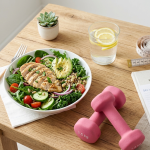
- Lunch: Grilled chicken breast with quinoa and roasted vegetables
- Snack: Cottage cheese with almonds
- Dinner: Baked salmon with lentils and steamed greens
- On-the-go snack: Edamame or a boiled egg
Spreading protein evenly across meals — rather than eating it all at dinner — helps maximize satiety and muscle protein synthesis throughout the day.
Tips to Maximize Fat Loss with High Protein Foods
- Pair protein with fiber: Combining protein with vegetables or whole grains increases fullness and slows digestion.
- Prioritize protein at breakfast: Starting the day with protein reduces hunger and cravings later on.
- Choose lean sources most often: Skinless poultry, fish, egg whites, and legumes keep calories in check.
- Don’t fear plant proteins: Combining different plant sources (like rice and beans) provides all essential amino acids.
- Meal prep in advance: Having high-protein meals ready reduces the temptation to reach for processed, low-protein convenience foods.
Frequently Asked Questions
Is too much protein bad for weight loss? For most healthy adults, moderately high protein intake is safe and effective. However, extremely high intakes without medical guidance — especially for those with kidney conditions — should be avoided.
Can I lose weight without counting calories if I just eat more protein? Increasing protein naturally reduces hunger and calorie intake for many people, but combining it with mindful portion control produces the best results.
What’s the best high protein food for vegetarians? Greek yogurt, cottage cheese, lentils, tofu, and tempeh are excellent vegetarian-friendly, high protein foods for weight loss.
Should I eat protein before or after a workout? Both matter, but total daily protein intake has a greater impact on weight loss and muscle retention than exact meal timing.
Final Thoughts
Weight loss doesn’t have to mean constant hunger or restrictive dieting. By focusing on high protein foods — from lean meats and fish to legumes and dairy — you can control appetite, protect muscle mass, and support a healthy metabolism throughout your fat-loss journey.
Start by adding two or three of these foods into your daily meals, and gradually build a plate that’s rich in protein, fiber, and whole, minimally processed ingredients. Consistency, not perfection, is what drives long-term results.