

Feeling hungry an hour after eating is one of the biggest reasons weight loss plans fail. The culprit is often a diet too low in fiber. High fiber foods for weight loss work by slowing digestion, stabilizing blood sugar, and keeping you satisfied for hours — without requiring you to cut calories dramatically or feel deprived.
Fiber is a type of carbohydrate your body can’t fully digest, which means it moves slowly through your digestive system, adding bulk and promoting a lasting feeling of fullness. Unlike many weight loss strategies that rely on restriction, fiber works with your body’s natural hunger signals rather than against them.
In this guide, you’ll learn exactly how fiber supports fat loss, how much you need daily, and — most importantly — 30 of the best high fiber foods you can start adding to your meals today, whether you prefer fruits, vegetables, legumes, or whole grains.
Why Fiber Is a Powerful Tool for Weight Loss
1. Fiber Increases Satiety
Soluble fiber absorbs water and forms a gel-like substance in the stomach, slowing digestion and helping you feel full for longer after meals. This naturally reduces overall calorie intake.
2. It Stabilizes Blood Sugar
High fiber foods slow the absorption of sugar into the bloodstream, preventing the rapid spikes and crashes that often trigger cravings and overeating.
3. It Supports a Healthy Gut Microbiome
Fiber feeds beneficial gut bacteria, which play a role in metabolism, inflammation control, and even how efficiently your body stores or burns fat.
4. It Reduces Calorie Density Without Sacrificing Volume
High fiber foods like vegetables and legumes are typically low in calories but high in volume, meaning you can eat a satisfying portion size while staying within a calorie deficit.
5. It Improves Digestive Regularity
A diet rich in fiber supports regular bowel movements, reducing bloating and discomfort that can make weight loss efforts feel harder than they are.
How Much Fiber Do You Need Daily?
Most health organizations recommend:
- Women: around 25 grams of fiber per day
- Men: around 30–38 grams of fiber per day
- For active weight loss: some studies suggest slightly higher intakes (30+ grams) may further enhance satiety and calorie control
Despite this, most people only consume 15 grams per day on average — meaning there’s a significant gap to close for better appetite control and fat loss.
The 30 Best High Fiber Foods for Weight Loss
Legumes and Beans (Highest Fiber Density)
1. Lentils – About 8g of fiber per 100g cooked, plus plant protein for double the satiety benefit.
2. Black Beans – Roughly 8.7g of fiber per 100g, along with resistant starch that supports gut health.
3. Chickpeas – Around 7.6g of fiber per 100g, versatile in salads, curries, or roasted as a crunchy snack.
4. Kidney Beans – Contain about 6.4g of fiber per 100g and are rich in slow-digesting carbohydrates.
5. Split Peas – Provide roughly 8g of fiber per 100g, ideal in soups and stews.
6. Edamame – About 5g of fiber per 100g, plus protein and healthy fats.
Vegetables
7. Artichokes – One of the highest fiber vegetables, with about 5.4g per 100g.
8. Broccoli – Provides roughly 2.6g of fiber per 100g along with vitamin C and antioxidants.
9. Brussels Sprouts – Around 3.8g of fiber per 100g, great roasted or sautéed.
10. Carrots – Contain about 2.8g of fiber per 100g, plus natural sweetness that curbs sugar cravings.
11. Sweet Potatoes – Roughly 3g of fiber per 100g, offering a filling, nutrient-dense carbohydrate source.
12. Spinach – About 2.2g of fiber per 100g, extremely low in calories relative to volume.
13. Green Peas – Provide around 5.7g of fiber per 100g along with plant protein.
14. Cauliflower – Roughly 2g of fiber per 100g, a versatile low-calorie base for many meals.
Fruits
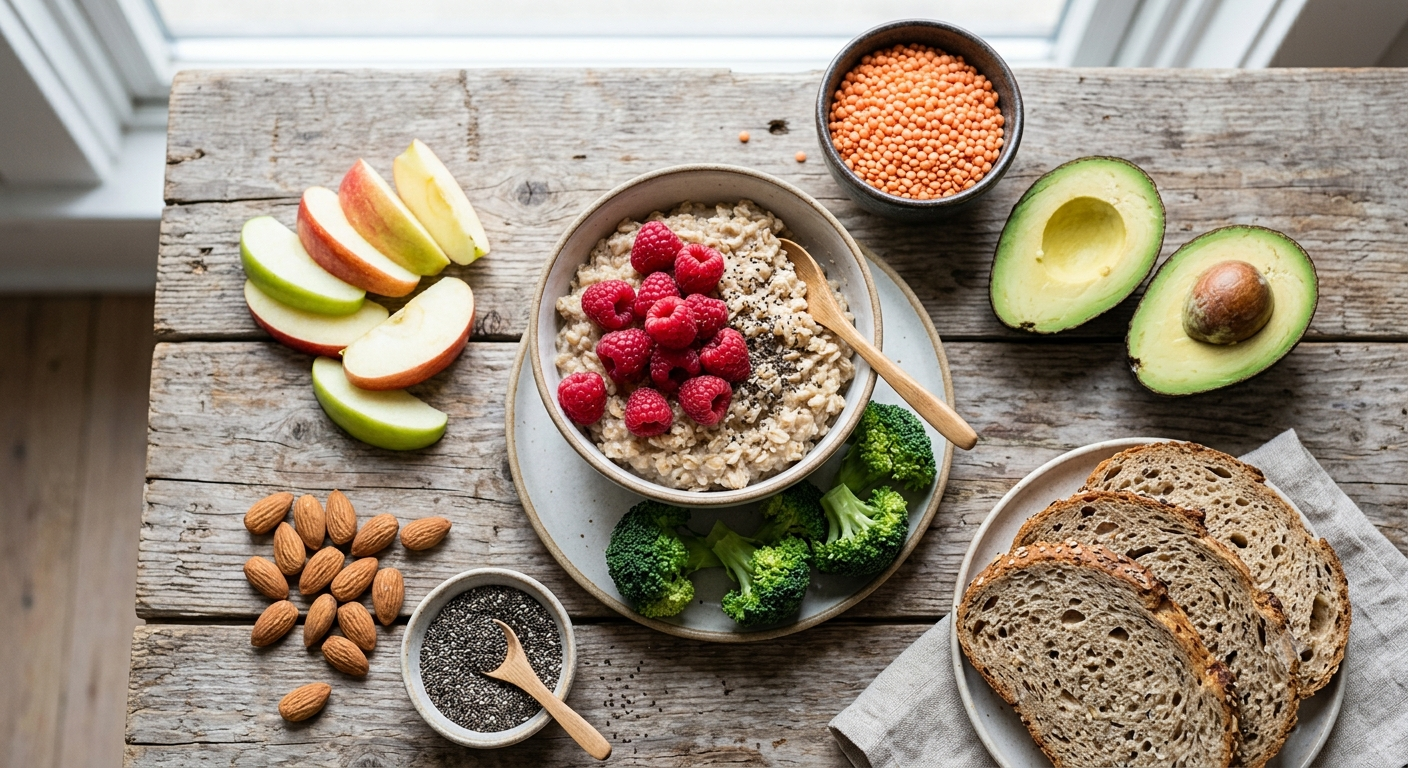
15. Raspberries – One of the highest-fiber fruits, at about 6.5g per 100g.
16. Pears (with skin) – Provide roughly 3.1g of fiber per 100g.
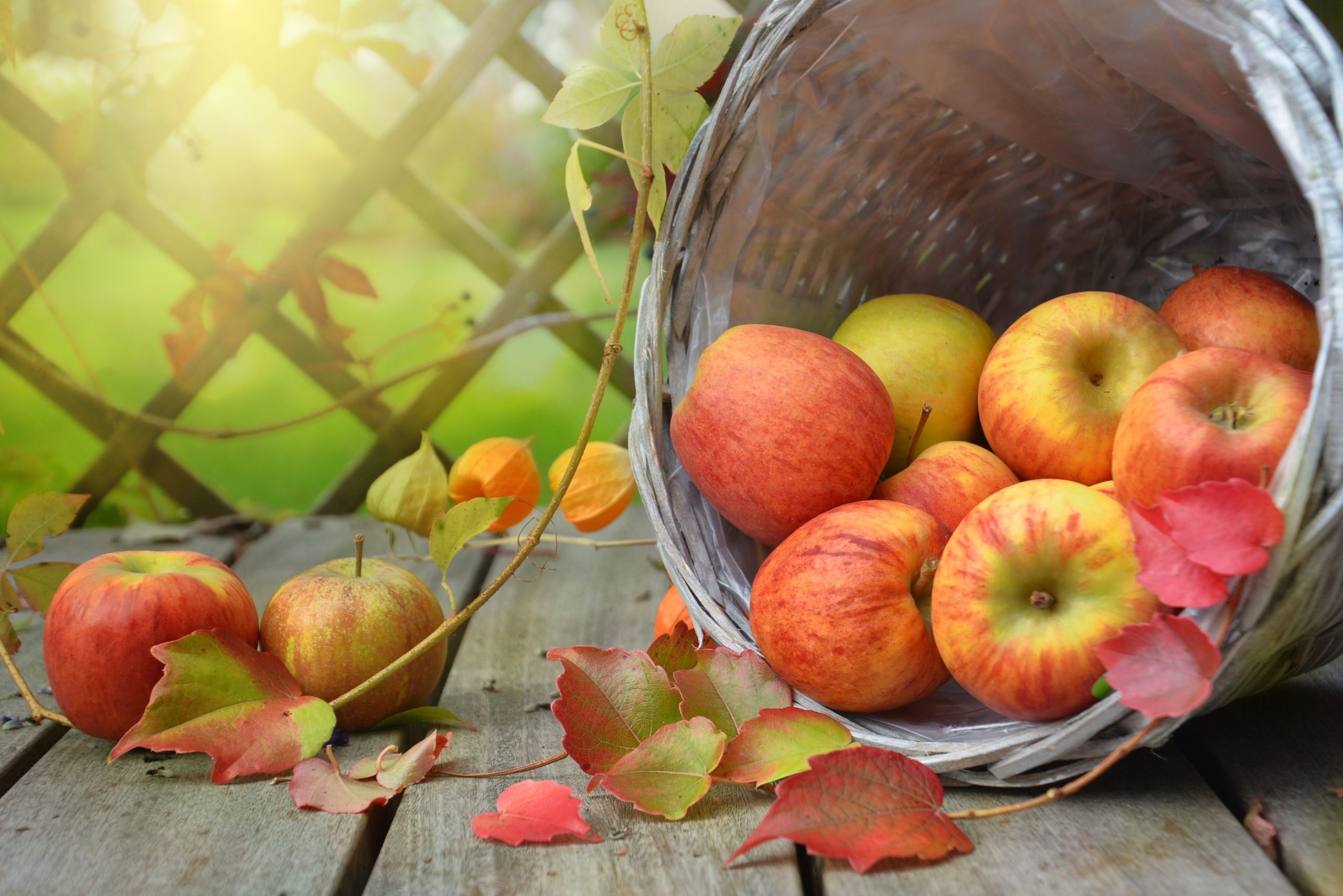
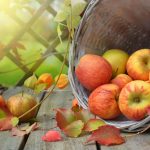
17. Apples (with skin) – Around 2.4g of fiber per 100g, plus pectin, a soluble fiber linked to appetite control.
18. Avocado – Offers about 6.7g of fiber per 100g, along with healthy monounsaturated fats.
19. Bananas – Contain roughly 2.6g of fiber per 100g, especially when slightly under-ripe.
20. Oranges – About 2.4g of fiber per 100g, best eaten whole rather than juiced.
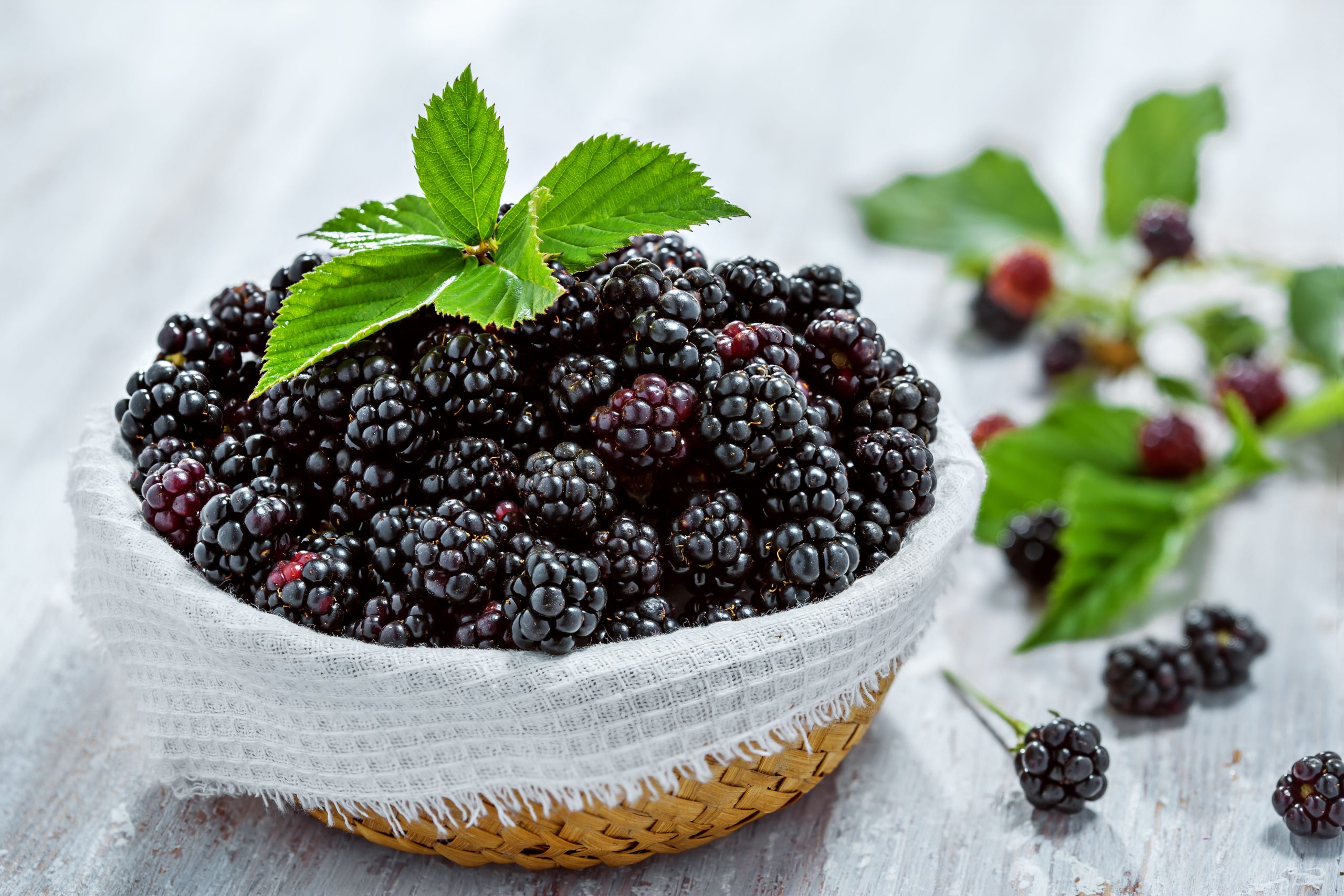
21. Blackberries – Provide around 5.3g of fiber per 100g.
Whole Grains
22. Oats – Roughly 10g of fiber per 100g dry, including beta-glucan, a soluble fiber shown to reduce appetite.
23. Quinoa – Contains about 2.8g of fiber per 100g cooked, plus a complete amino acid profile.
24. Brown Rice – Around 1.8g of fiber per 100g cooked, a simple swap from refined white rice.
25. Barley – Provides roughly 17g of fiber per 100g dry, one of the highest-fiber grains available.
26. Whole Wheat Pasta – About 6g of fiber per 100g, a filling alternative to refined pasta.
Nuts and Seeds
27. Chia Seeds – Extremely high in fiber, at about 34g per 100g, and excellent for thickening smoothies or puddings.
28. Flaxseeds – Roughly 27g of fiber per 100g, best consumed ground for better absorption.
29. Almonds – Provide about 12.5g of fiber per 100g, along with healthy fats and protein.
30. Chickpea Flour (Besan) – Offers around 10g of fiber per 100g, useful for high-fiber baking and cooking swaps.
Sample High-Fiber Meal Plan for Weight Loss
- Breakfast: Oats topped with raspberries and chia seeds
- Lunch: Lentil salad with spinach, roasted carrots, and avocado
- Snack: Apple with almond butter
- Dinner: Grilled protein with quinoa and steamed broccoli
- Evening snack: A small handful of almonds or edamame
Spacing fiber-rich foods across the day — rather than eating them all at once — helps avoid digestive discomfort while maximizing appetite control.
Tips to Maximize Fiber’s Fat-Loss Benefits
- Increase intake gradually: Adding too much fiber too quickly can cause bloating; raise intake over 1–2 weeks.
- Drink enough water: Fiber absorbs water, so adequate hydration is essential to avoid digestive discomfort.
- Combine soluble and insoluble fiber: Soluble fiber (oats, beans) slows digestion; insoluble fiber (whole grains, vegetable skins) supports regularity — both matter for weight loss.
- Eat whole foods over supplements: Whole high fiber foods provide additional nutrients and satiety benefits that fiber powders can’t fully replicate.
- Pair fiber with protein: Combining fiber-rich foods with lean protein amplifies fullness and supports muscle retention during fat loss.
Frequently Asked Questions
Can eating more fiber really help me lose weight without dieting? Increasing fiber intake naturally reduces hunger and calorie consumption for many people, making it one of the easiest sustainable changes for gradual weight loss.
What’s the best high fiber food for beginners? Oats, apples, and lentils are easy to incorporate, gentle on digestion, and widely available, making them ideal starting points.
Does cooking reduce the fiber content of vegetables? Cooking can slightly reduce fiber content, but most vegetables still retain the majority of their fiber after cooking, so both raw and cooked options are beneficial.
How quickly will I notice appetite control benefits from fiber? Many people notice reduced hunger within days of consistently increasing fiber intake, though full digestive adaptation can take a couple of weeks.
Final Thoughts
Weight loss doesn’t have to mean constant hunger or restrictive eating. By prioritizing high fiber foods for weight loss — from legumes and vegetables to whole grains and seeds — you can naturally control appetite, support digestion, and create a sustainable calorie deficit without feeling deprived.
Start by adding two or three high-fiber foods to your daily meals, and gradually build toward the recommended 25–38 grams per day. Small, consistent changes in fiber intake often lead to the most lasting results.