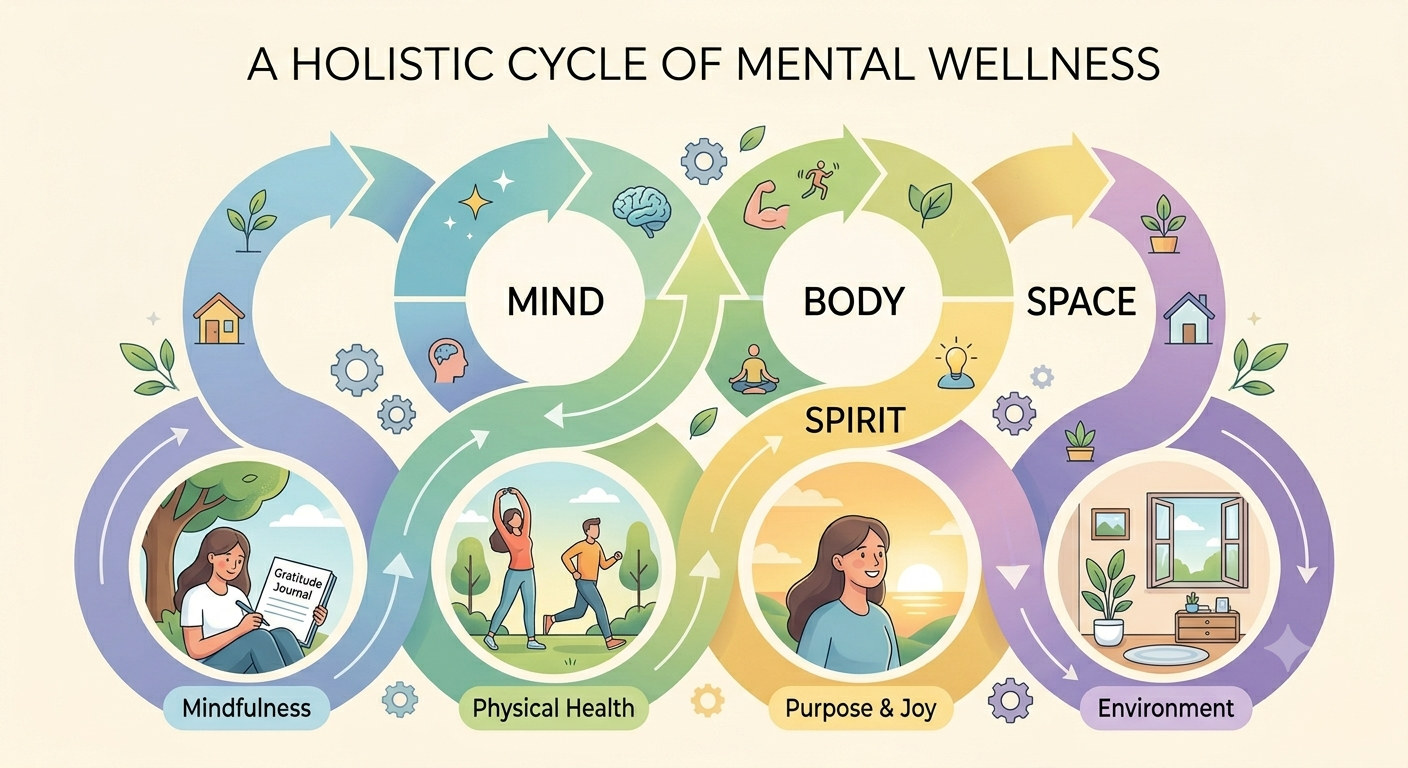




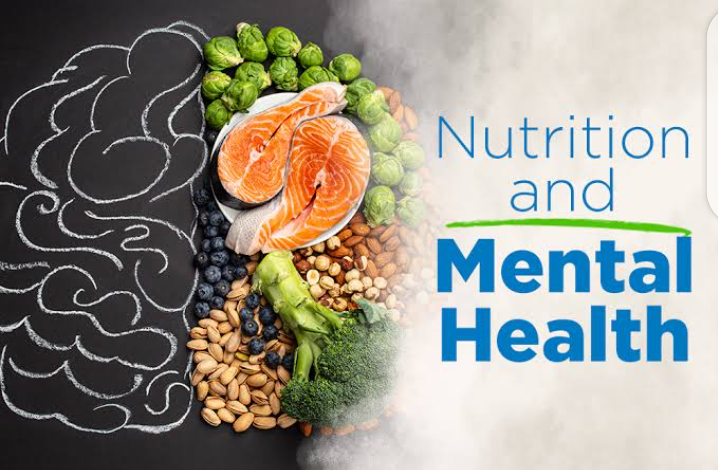
The modern healthcare landscape is undergoing a paradigm shift. For decades, medicine viewed the body and the mind as two separate entities. Today, we understand that they are fundamentally linked through the Gut-Brain Axis. What we put on our plates serves as the chemical foundation for our mental state, emotional stability, and long-term cognitive longevity. This comprehensive guide explores how to leverage nutrition as a clinical-grade tool for protecting your mental health.
Chapter 1: The Bio-Chemistry of the Gut-Brain Axis
To understand why nutrition is central to mental health, we must recognize the role of the microbiome. Your gut is often referred to as the “second brain” because it contains a complex neural network that communicates directly with your central nervous system via the Vagus Nerve.
The Serotonin Production Engine
A vast majority of the body’s serotonin—a neurotransmitter responsible for mood, sleep, and appetite—is synthesized in the gut. When our diet is high in processed sugars and artificial preservatives, it induces systemic inflammation that disrupts the microbiome. A healthy microbiome, supported by diverse fiber and prebiotics, is essential for the consistent production of serotonin. When the gut is inflamed, the brain feels it, leading to mood fluctuations and increased susceptibility to anxiety.
Chapter 2: The Core Nutritional Pillars for Emotional Resilience
Emotional stability is not a mystical occurrence; it is a physiological one. Achieving resilience requires a strategic approach to macronutrients and micronutrients.
Managing the Glucose Rollercoaster: One of the most effective ways to stabilize mood is to regulate blood sugar. Spikes and crashes in glucose lead to surges in cortisol and adrenaline, which mimic the physiological sensations of anxiety. Prioritizing complex carbohydrates, healthy fats, and high-quality proteins ensures a steady release of energy to the brain.
The Role of Anti-Inflammatory Nutrients: Chronic neuro-inflammation is a common denominator in various mood disorders. Omega-3 fatty acids, found in fatty fish, walnuts, and chia seeds, work to soothe this inflammation. Similarly, antioxidants found in berries and leafy greens protect neurons from oxidative stress, allowing for better cognitive focus.
Vitamin and Mineral Co-factors: Nutrients like Magnesium, Zinc, and Vitamin B12 are co-factors in the chemical reactions that create neurotransmitters. Deficiency in these basic nutrients can render your brain incapable of producing sufficient dopamine or serotonin, regardless of your life circumstances.
Chapter 3: Mindfulness-Based Nutritional Integration
Nutrition is not just about the chemical composition of food; it is about the state of mind in which we consume it. The digestive system functions optimally only when the body is in a “rest-and-digest” (parasympathetic) state.
Grounding Mindfulness Exercises Before Meals
Many of us eat in a state of high stress, often while working or scrolling through digital devices. This prevents efficient nutrient absorption. Integrating grounding mindfulness exercises before eating signals your nervous system to transition away from stress. By taking a few moments to sit, breathe, and observe your surroundings, you prepare your body to process food more effectively.
The Five Senses Mindfulness Exercise for Nutrition
Cultivating a healthy relationship with food requires awareness. The five senses mindfulness exercise is a powerful tool to transform a meal into a therapeutic experience:
Sight: Observe the vibrancy and colors of your meal.
Smell: Inhale the aromas deeply to trigger digestive enzymes.
Sound: Listen to the textures of your food as you chew.
Touch: Notice the temperature and physical sensation of the meal.
Taste: Slow down to identify the complex flavor profile.
This practice turns a meal into a meditative act, preventing emotional overeating and fostering a better connection with your body’s satiety signals.
Chapter 4: Psychological Strategies and Habit Reform
Nutrition is often derailed by subconscious emotional responses. To gain control, one must address the underlying mental patterns.
Subconscious Mind Exercises: Frequently, we reach for “comfort foods” not out of hunger, but as a subconscious coping mechanism for stress or boredom. Subconscious mind exercises can help you identify these triggers. By bringing awareness to these patterns, you can replace a reactive habit with an intentional choice.
ACT Mindfulness Exercises: When a craving for nutrient-poor food hits, use ACT mindfulness exercises to create space between the impulse and your action. By observing the urge to eat emotionally—without judgment and without acting on it—you regain your autonomy.
Support Systems and Accountability: Changing your relationship with food is difficult to do in isolation. Engaging in DBT mindfulness exercises for groups provides a supportive environment where you can learn distress tolerance and emotional regulation techniques from others. This social accountability is vital for sustaining long-term dietary changes.
Frequently Asked Questions (Master Expert Edition)
Q1: How can I start improving my diet for better mental health today?
A: Start by eliminating refined sugars and processed oils, and replace them with whole-food sources of fiber. Incorporate a mindfulness breathing exercise (you can easily download a mindfulness breathing exercise pdf to follow) to manage daily stress, which in turn reduces your physical cravings.
Q2: Are there specific exercises to help with emotional eating?
A: Yes. Practicing the five senses mindfulness exercise during every meal will make you more aware of your body’s true hunger signals, which naturally discourages mindless emotional consumption.
Q3: Can mindfulness really help me digest my food better?
A: Definitely. Digestion is a biological process that is heavily influenced by your nervous system. If you are stressed, your body diverts blood away from the digestive tract. Using grounding mindfulness exercises before a meal keeps your nervous system in a state where your body can actually absorb the nutrients you are consuming.
Q4: How do I handle group situations where healthy food isn’t available?
A: Social situations are challenging. Utilizing techniques from DBT mindfulness exercises for groups will help you develop the “interpersonal effectiveness” to make choices that align with your health goals without feeling pressured by the group environment.
Q5: Is it possible to use mindfulness to change my brain’s cravings?
A: Yes. By using ACT mindfulness exercises, you can learn to accept the presence of a craving without letting it dominate your behavior. Over time, this rewires the connection between your brain’s reward system and your dietary habits.