The New Wave of Wellness – Why We’re Finally Being Honest
Let’s be real for a second: for a long time, “wellness” was just about those aesthetic Instagram posts—yoga retreats, expensive green juices, and people looking perfectly zen while drinking matcha. But the trend has shifted massively. People are finally tired of that fake, picture-perfect version of happiness. We’re moving toward something way more raw and honest. The latest trends aren’t about masking stress and anxiety with superficial habits; they’re about understanding why they happen and how to manage them in a way that actually works for a busy, real-life schedule.
Moving Beyond the “Quick Fix”
We used to treat mental health like a simple checklist—meditate for five minutes, drink eight glasses of water, and you’re good to go. But life isn’t a checklist, and your brain isn’t a machine. The biggest trend right now is “Radical Self-Awareness.” It’s about recognizing that you don’t need a “perfect” life to be happy; you just need a life that feels authentic to who you are. We are finally learning that it’s okay to have bad days, and it’s okay to admit that the “hustle” isn’t always worth the price we pay in peace of mind.
The Science of Slowing Down (Intentional Rest)
Whether you’re a calisthenics enthusiast pushing your limits at the park or a professional trying to balance a high-pressure career, the “hustle culture” is officially out. The trend is shifting toward “Intentional Rest.” This isn’t just about sleeping or sitting on the couch watching TV. It’s about giving your brain a genuine break from the constant digital noise. Even 10 minutes of silence—no phone, no music, no podcasts—can do more for your nervous system than an hour of mindless scrolling. When you stop feeding your brain constant input, you give it the space to actually process and heal.
Nutrition’s Role in Your Mood: The “Gut-Brain” Connection
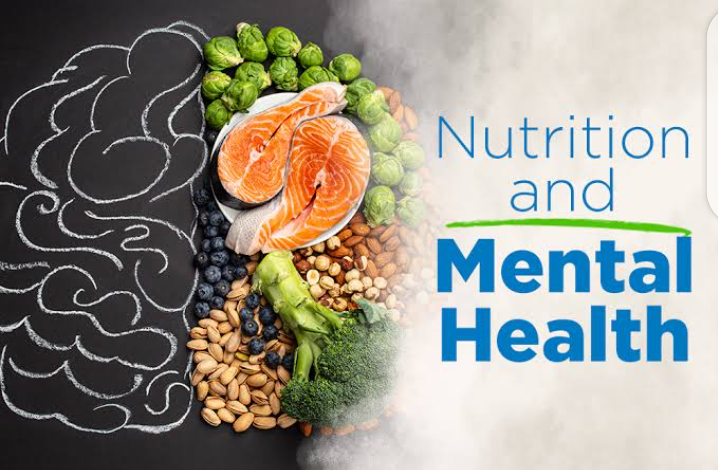
I’ve found that we still drastically underestimate how much our plate affects our head. We’ve talked before about the basics of avocado nutrition and the power of antioxidants like blueberries or dragon fruit for physical health, but these are actually your brain’s best friends too.
Fueling for a Balanced Mind
If your body is running on high-inflammation, ultra-processed junk, your brain is going to feel foggy and anxious. Happiness isn’t just an abstract feeling; it’s a physiological state. By feeding your brain healthy fats and keeping your blood sugar stable, you’re basically lowering the barrier to feeling good. You can’t “think” your way out of a bad mood if your body is starving for the nutrients it needs to regulate neurotransmitters like serotonin and dopamine. It’s about building a foundation that makes happiness possible.
The Power of Community and Physical Movement
Isolation is the absolute enemy of happiness. The latest trend in the wellness world is “Community-Based Movement.” It’s why group yoga classes, running clubs, and local fitness meetups are exploding in popularity. It’s not just about the exercise; it’s about being around other humans who share a common goal.
Finding Your “Third Space”
Your first space is home, your second is work. Your “third space” is that community spot where you don’t have to perform or be “on.” Whether it’s a park for a workout, a book club, or a hobby group, having that space is a massive, often overlooked pillar for mental health. We are social animals, and when we disconnect from our community, our stress levels naturally climb. Getting back into those spaces is a game changer.
Practical Habits to Combat the “Digital Fog”
We’re all suffering from a bit of digital burnout, right? You wake up, check your emails, scroll through social media, and by 9 AM, you’re already overstimulated. Your brain feels “full” before you’ve even started your day.
Small Habits That Create Big Changes
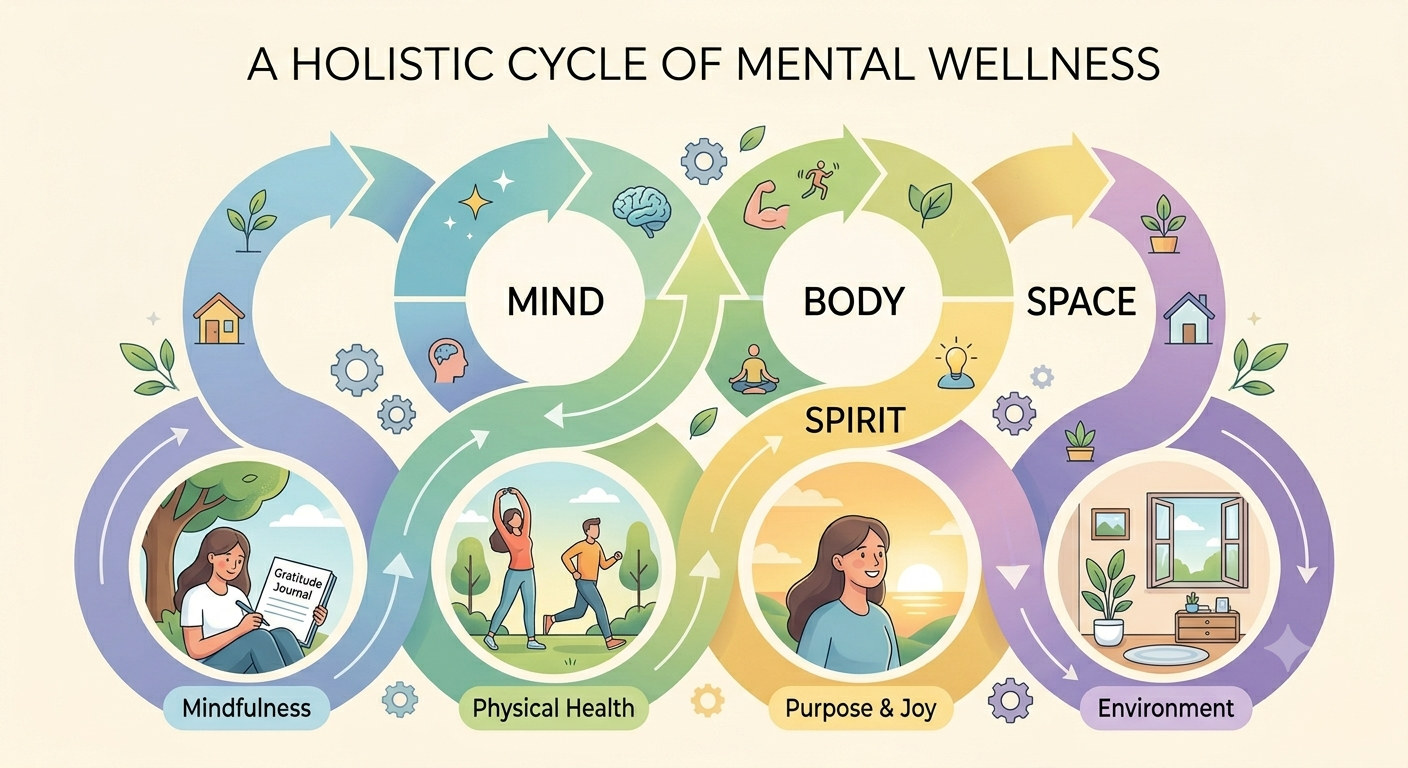
The Morning “No-Phone” Zone: Try to keep your phone away for at least the first 30 minutes of your day. It’s the single easiest way to lower your daily stress and anxiety. Give yourself time to wake up before the world demands your attention.
Nature Exposure (Grounding): Even if it’s just walking in a nearby park or sitting on your porch, getting out of the indoor, artificial-light environment helps reset your nervous system.
Journaling for Clarity: Don’t worry about writing a book or being “deep.” Just write down three things that are bothering you or three things you’re grateful for. Getting thoughts out of your head and onto paper makes them feel way more manageable and less overwhelming.
The Future of Wellness: Flexibility Over Rigidity
If there is one thing I’ve learned, it’s that the most “well” people are the ones who are flexible. They know when to push hard in the gym, and they know when to skip the workout to get extra sleep. They know when to eat a nutrient-dense meal and when to enjoy a treat without guilt. Wellness is a practice, not a destination.
Frequently Asked Questions (FAQ)
Q: Is “happiness” the ultimate goal of mental health? Actually, no. Happiness is an emotion that comes and goes like the wind. The real goal is “contentment” and “resilience”—the ability to handle the hard stuff, feel the emotions, and not spiral into a dark place.
Q: How do I know if I need professional help? If your low moods or anxiety are stopping you from doing the things you love, or if they’re affecting your daily life (work, sleep, relationships), it’s time to talk to a professional. There is zero shame in getting a coach or therapist. Think of it like hiring a trainer for your mental gym.
Q: Can nutrition really help with deeper issues like depression? It isn’t a replacement for therapy or medical treatment, but it is a massive support system. A healthy body provides the biological foundation your brain needs to heal and stabilize. You wouldn’t expect a car to run on empty; don’t expect your brain to handle trauma or stress without proper fuel.
Disclaimer
The information provided in this article is for educational and informational purposes only and is not intended as a substitute for professional medical advice, diagnosis, or treatment. Always seek the advice of your physician or other qualified health provider with any questions you may have regarding a medical condition or mental health concerns. Never disregard professional medical advice or delay in seeking it because of something you have read here. If you are experiencing a mental health crisis, please contact your local emergency services or a licensed mental health professional immediately.