Stop Trying to Be Perfect – The Secret to Consistency
Honestly, I’m done with the whole “clean eating” craze where you have to measure every single gram of food or track every calorie like your life depends on it. It’s exhausting, right? Most of us give up on being healthy because we make it feel like a part-time job. I’ve found that the secret to a healthy diet isn’t about being perfect; it’s about just being “better” than you were yesterday. If you’re tired of starting a new, restrictive plan every Monday and quitting by Wednesday, this is for you. We aren’t looking for a “diet” here; we’re looking for a way to eat that actually fits into a busy, real-life schedule.
Why Your Current Diet Isn’t Sticking
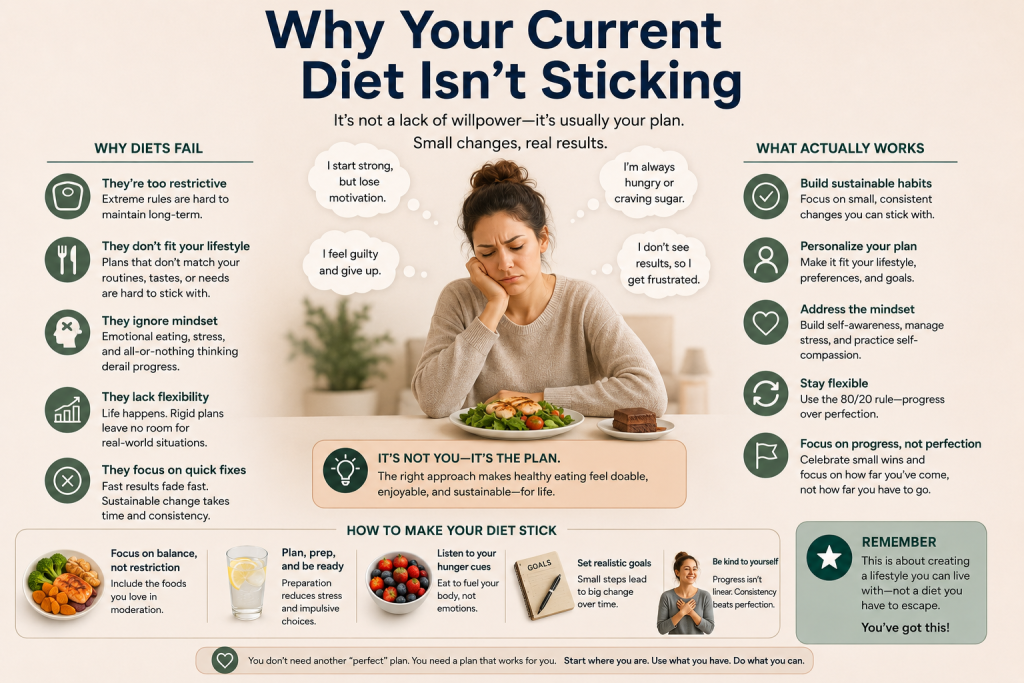
We often overcomplicate things. We think we need a fancy, complex plan to see results, whether it’s for calisthenics performance or just trying to fit into our clothes comfortably. But the moment your diet starts feeling like a punishment, your brain is going to revolt. It’s human nature. If you can’t see yourself eating a certain way two years from now, don’t even bother starting.
The “Energy Gap”
A lot of people feel like crap not because they’re eating “bad” food, but because they’re missing out on the basics. I’ve found that when you stop focusing on just “losing weight” and start focusing on avocado nutrition for those essential healthy fats, your energy levels actually stabilize. When you add in antioxidants—like throwing in some blueberries or dragon fruit—your cells are better protected from that daily wear and tear. It’s not magic; it’s just fueling your body with the quality stuff it was actually designed to run on.
How I Keep It Simple (Without the Stress)
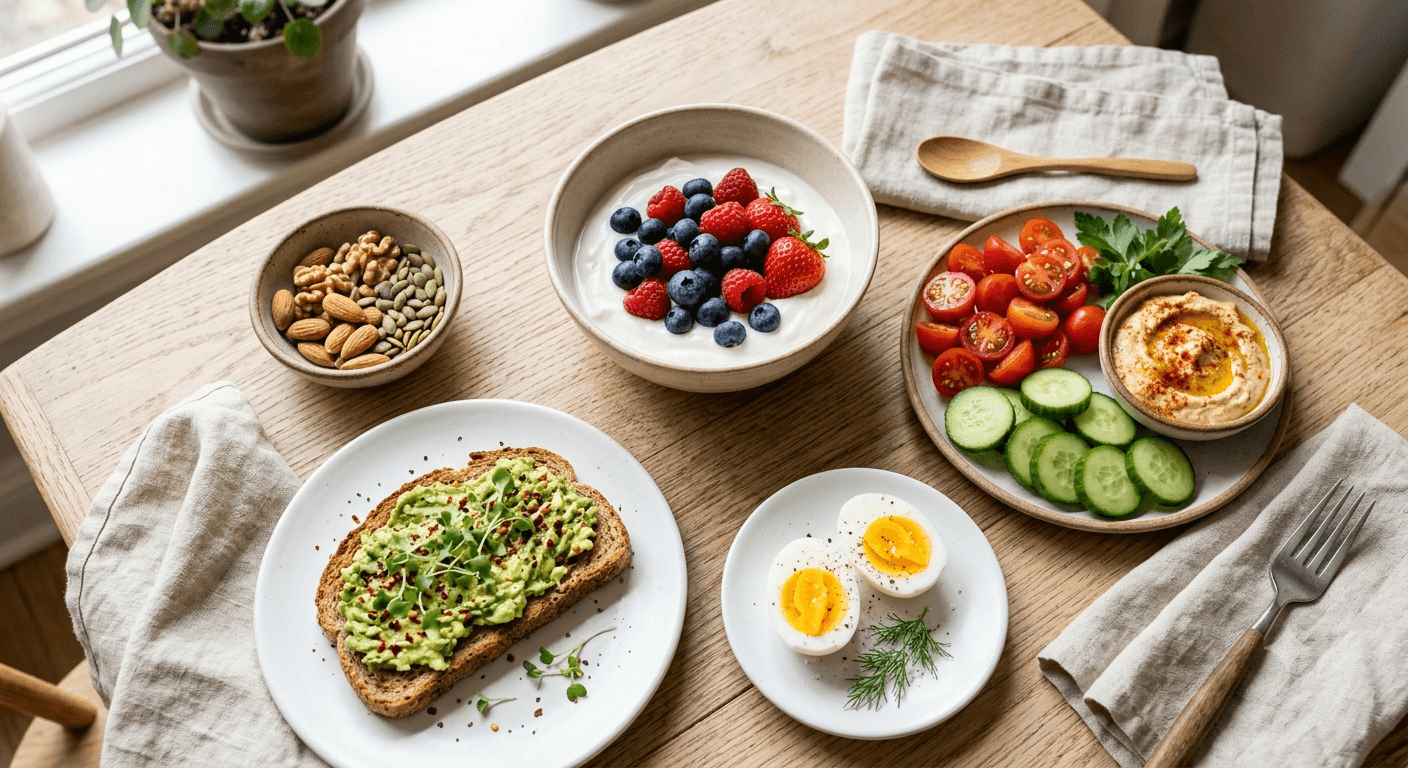
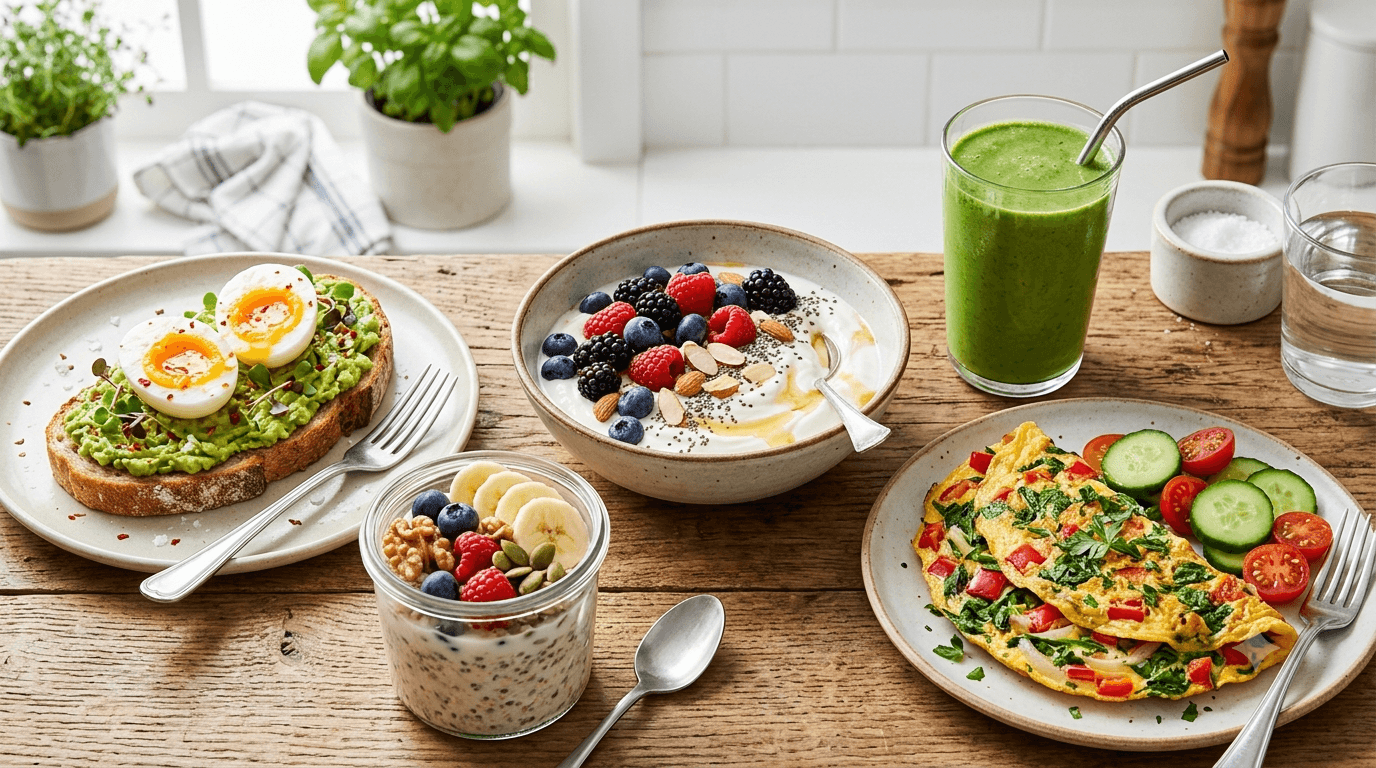
You don’t need a degree in nutrition to balance your plate. It shouldn’t take an hour of prep work just to make a healthy lunch. I usually look at my plate and ask myself one simple question: “Is there color here?” If it’s all beige—bread, pasta, fried stuff—it’s probably not going to leave me feeling great in an hour.
Finding Your Balance
Whether you’re hitting the mat for yoga or just sitting at a desk all day, your body needs consistency to perform. I don’t count every calorie because that creates an obsession that is harder to fix than the weight itself. Instead, I focus on:
Quality Protein: Keeps the muscles happy and repair-ready.
Fiber-rich Plants: Keeps the digestion moving (this is crucial for that “light” feeling).
Healthy Fats: These are non-negotiable for brain health—this is where that avocado really earns its spot in my routine.
The Mental Side – Managing Stress and Eating
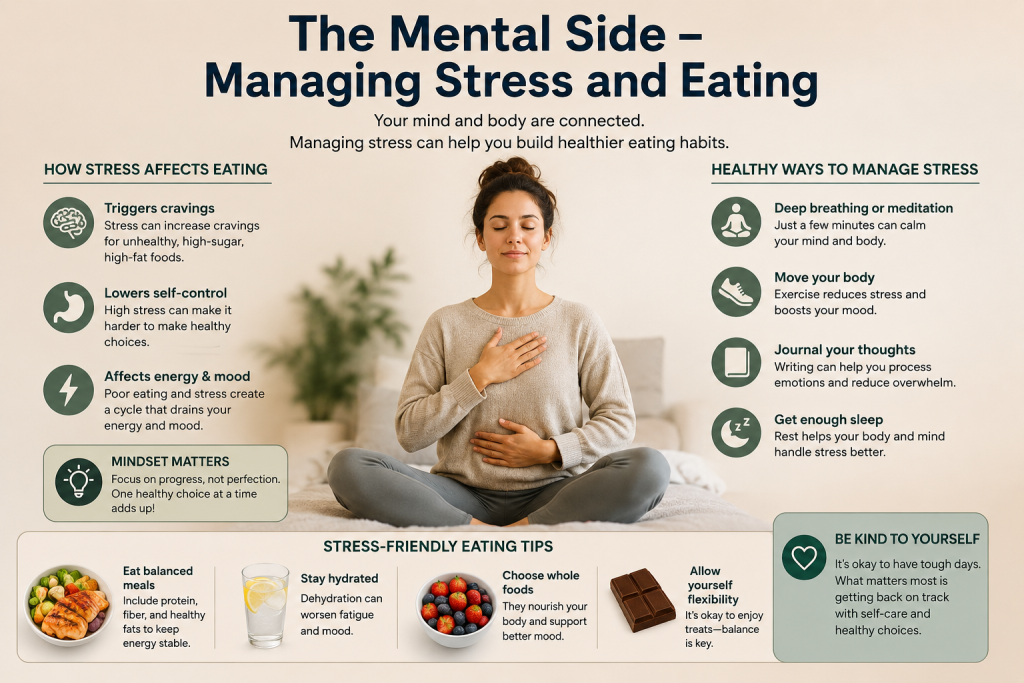
Let’s be real for a minute: we’ve all used food to deal with stress and anxiety. When you’re having a rough week at work or home, a salad is the last thing you want. You want comfort, and usually, that comfort is processed. But the more you restrict yourself when you’re already stressed, the harder you’re going to binge later. Learning to eat mindfully—listening to your hunger rather than a rigid rulebook—is 100x more powerful than any “diet plan” you’ll find on Instagram.
Simple Daily Hacks for Longevity
Don’t fear the fat: Seriously, healthy fats keep you full and satisfied. Don’t go for “low-fat” options that are packed with sugar.
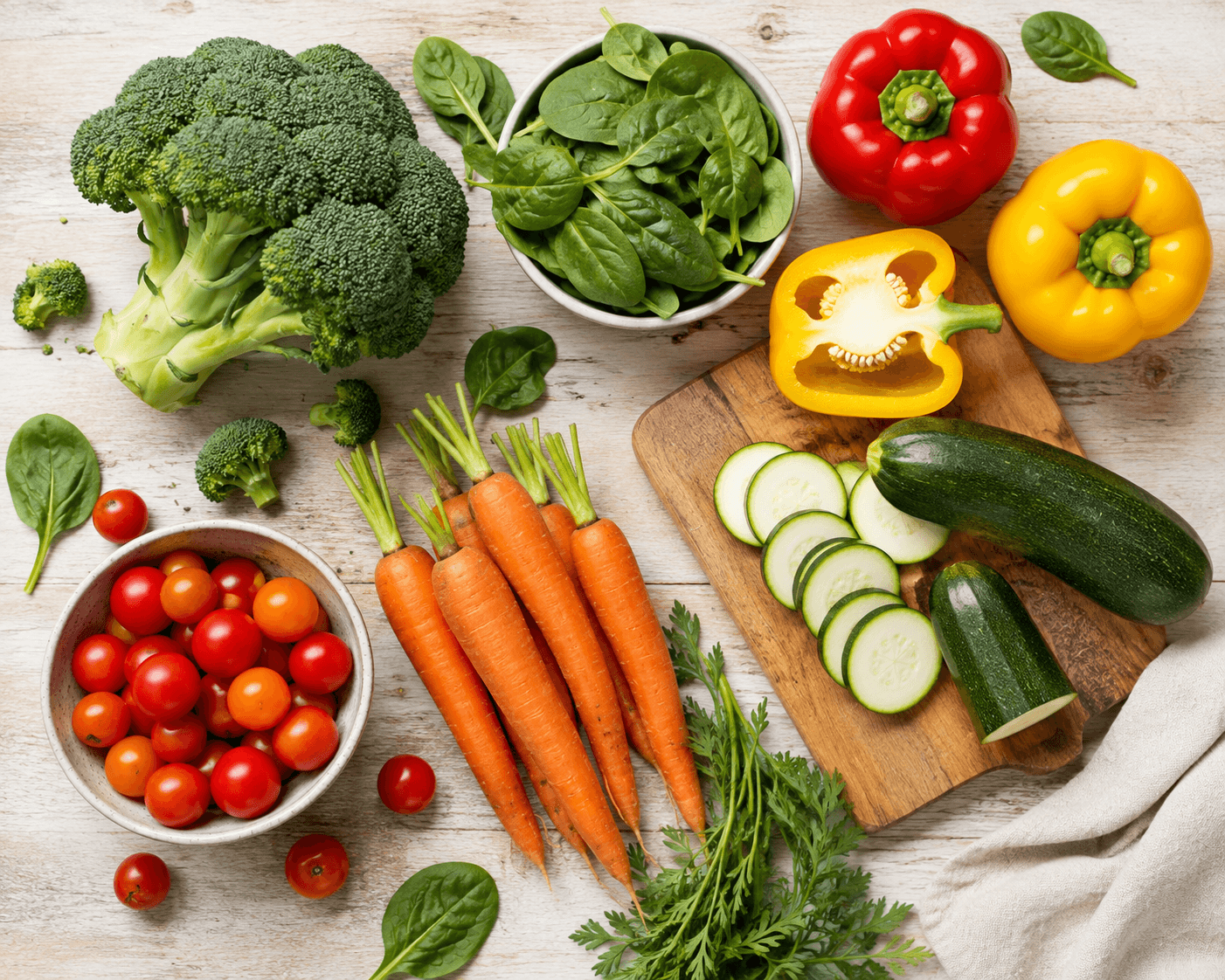
Add a color to every meal: Just try to get one “real” fruit or veggie in every time you eat. It sounds basic, but it changes your whole nutrient profile.
Listen to your gut: If a specific food always makes you feel sluggish, bloated, or tired afterward, just stop eating it. Your body knows better than any diet book ever will.
Hydrate before you snack: Sometimes we think we’re hungry when we’re actually just dehydrated. A quick glass of water can save you 300 empty calories.
Frequently Asked Questions (FAQ)
Q: Do I really need to track macros to see progress? Only if you’re a professional athlete training for a specific competition. For the rest of us, tracking can actually create an unhealthy obsession. Focus on whole foods and portion control instead.
Q: What about cravings? How do I fight them? Usually, your body is just thirsty or needs a specific nutrient that it’s lacking. Try drinking water or having a piece of fruit first. If you still want the “bad” snack, have a little bit of it and move on. Don’t label it a failure.
Q: Is it actually possible to be healthy on a budget? 100%. People think healthy food is expensive because they look at high-end organic stores. Frozen berries, bulk grains, seasonal veggies, and eggs are way cheaper than processed snacks, and they keep you full for much longer.
Disclaimer
The information provided in this article is for educational and informational purposes only and is not intended as a substitute for professional medical advice, diagnosis, or treatment. Always seek the advice of your physician or other qualified health provider with any questions you may have regarding a medical condition or mental health concerns. Never disregard professional medical advice or delay in seeking it because of something you have read here. If you are experiencing a mental health crisis, please contact your local emergency services or a licensed mental health professional immediately.