We Are Witnessing a Massive Cultural Pivot
Ten years ago, if you mentioned “mental wellness” in a boardroom or a casual coffee chat, you’d probably get an awkward silence. Today? It’s basically the baseline conversation. We’re in the middle of a genuine “Wellness Revolution,” but let’s look past the glossy Instagram posts and the expensive meditation apps. What is actually happening?
Why the Shift Isn’t Just a Trend
It’s not like we all suddenly decided to be more “enlightened.” The reality is, our old way of living—the 24/7 grind, the constant connectivity, the “I’ll sleep when I’m dead” mentality—stopped working. People are burned out. They’re exhausted. The shift toward mental health isn’t a luxury; it’s a survival mechanism.
The Biology of the Burnout
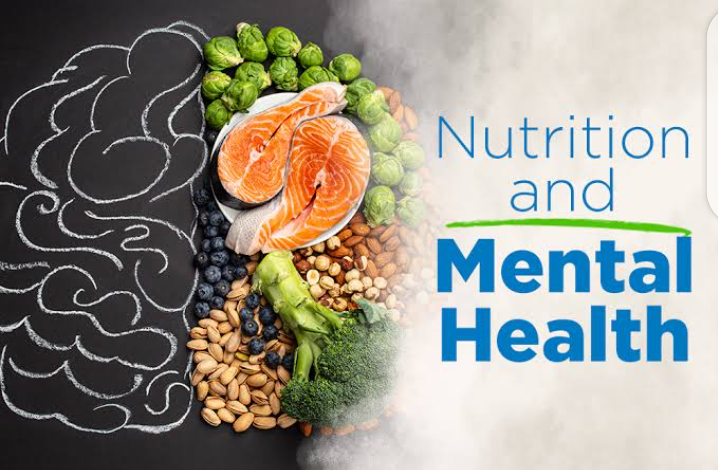
For decades, we treated the body and the mind as two separate machines. We’d go to the gym to “fix” the body, and maybe talk to someone to “fix” the head. The revolution is about realizing they’re the same system. If your gut is inflamed, your brain is inflamed. If your blood sugar is crashing from processed junk, your stress and anxiety levels are going to be through the roof. We’re finally starting to respect the biology of our emotions.
The Pillars of the New Mental Health Paradigm
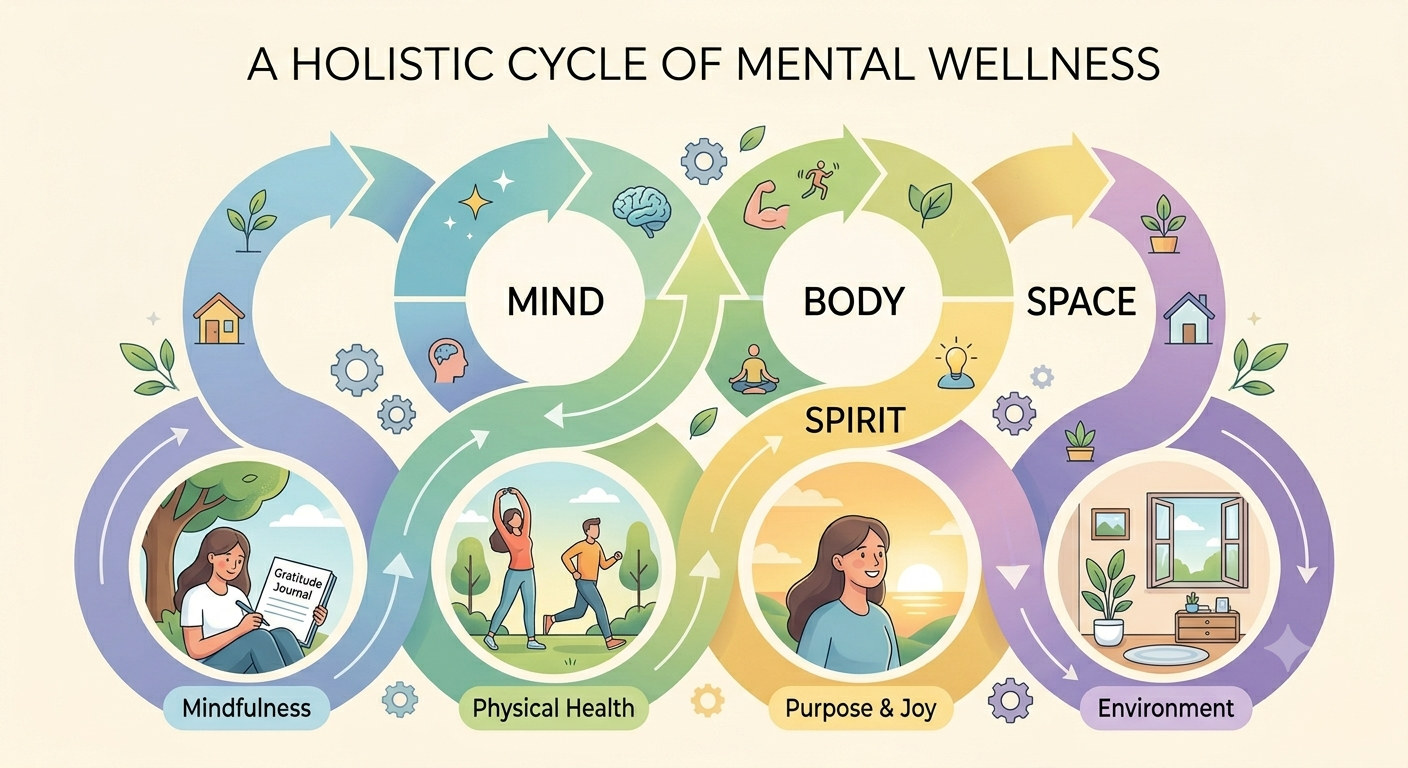
If you look at the people who are actually thriving—not just surviving—they’re all doing the same handful of things. It’s not about expensive retreats; it’s about “micro-habits.“
- Radical Boundaries: The smartest people I know are protective of their “input.” They don’t check emails first thing. They don’t say “yes” to everything. They treat their focus like a bank account.
- Active Recovery: We used to think “recovery” meant sitting on the couch watching TV for five hours. That’s not recovery; that’s just zoning out. True recovery is active: a yoga flow to reset the nervous system, some calisthenics to burn off the stress-induced cortisol, or just a walk without a podcast.
- Nutritional Intelligence: We’re moving away from calorie counting and toward “nutrient density.” People are finally realizing that an avocado or a handful of blackberries actually changes how they think and feel. That’s the revolution right there.
The “Overthinking” Epidemic

If there’s one thing this revolution is fighting, it’s the overthinking loop. We have more access to information than any humans in history, but that also means we have more to worry about. The wellness shift is teaching us to “label” our thoughts instead of becoming them. When you feel that anxiety starting to spin, you don’t fight it—you notice it. “Oh, that’s just a worry thought.” Boom. Power gone.
What Comes Next?
The next phase of this revolution is going to be about integration. It’s not about doing a “mental health day” once a year; it’s about building a life where you don’t need a mental health day. It’s about being mindful while you eat, being intentional while you move, and being kind to your biology.
Frequently Asked Questions (FAQ)
Q: Is the “Wellness Revolution” just for the wealthy? That’s the myth. Sure, fancy retreats are expensive, but mindfulness, movement, and eating whole foods? That’s accessible to everyone. You don’t need a gym membership to do bodyweight exercises.
Q: Why do I feel guilty when I prioritize my mental health? Because we’ve been conditioned to equate “busy” with “productive.” Unlearning that is the hardest part of the entire revolution.
Q: Is technology killing our mental health? Technology is a tool. If you let it dictate your morning, it’s a problem. If you use it to learn, it’s an asset. It’s about who’s in the driver’s seat.
Q: Can nutrition really change a chronic mood issue? If you’re dealing with a serious clinical issue, obviously talk to a professional. But for the “daily fog” and “low-level anxiety“? Nutrition is the most underrated lever you have.
Q: How do I join the revolution without being “cringe”? Don’t make it your identity. Just do the work. Eat the real food, move the body, set the boundary, and keep it quiet. You don’t need to post about it to get the benefits.
Disclaimer
The information provided in this article is for educational and informational purposes only and is not intended as a substitute for professional medical advice, diagnosis, or treatment. Always seek the advice of your physician or other qualified health provider with any questions you may have regarding a medical condition or mental health concerns. Never disregard professional medical advice or delay in seeking it because of something you have read here. If you are experiencing a mental health crisis, please contact your local emergency services or a licensed mental health professional immediately.